

Africa Losing $15 Billion Annually From Crude Oil and Gas Exports, APPO Warns
By Naija Enquirer Staff
Africa loses an estimated $15 billion annually by exporting roughly 70 per cent of its crude oil and 45 per cent of natural gas, the Association of Petroleum Producers’ Organisation (APPO) has revealed.
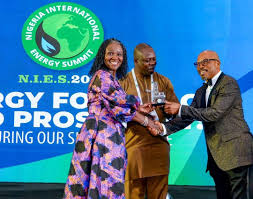
APPO Secretary-General, Farid Ghezali, disclosed this during the official opening of the 2026 Nigeria International Energy Summit (NIES) in Abuja, noting that despite Africa’s immense resource potential, much value is lost through raw exports.
Ghezali highlighted the upcoming African Energy Bank (AEB), which is expected to mobilise $15 billion for oil and gas projects by 2030 and create over 500,000 direct jobs in the local midstream sector. The bank, a joint initiative of APPO member states and Afreximbank, will begin operations in Abuja by June 2026.
“The AEB will unify intra-African pricing for oil and gas, allowing member countries to save up to 30 per cent on energy imports — a potential $1.4 billion gain for Africa,” Ghezali said.
The Secretary-General added that financing remains the primary bottleneck hindering the development of strategic projects, such as refineries, pipelines including the Ajeokuta-Kaduna-Kano (AKK) pipeline, and gas infrastructure, which require $200 billion in investment by 2030.
AEB will facilitate the listing of national oil companies and flagship projects, like the Dangote Refinery and AKK Gas Pipeline, connecting Africa’s certified projects to global sovereign wealth and capital markets via structured public-private partnerships.
Chairman of the Independent Petroleum Producers Group (IPPG), Adegbite Falade, stressed the need for Nigeria to build an energy industry that sustains itself, creates in-country value, and contributes meaningfully to GDP growth.
“The future of our industry lies not in raw exports, but in creating domestic value that drives economic growth. Indigenous producers now account for over 50 per cent of national production, a milestone in local capacity,” Falade said.
He urged the government to reduce bureaucracy, streamline fees, improve policy stability, adopt competitive fiscal frameworks, and ensure access to long-term affordable capital to fully unlock the sector’s potential.
Falade concluded, “Without these measures, Africa cannot realize the massive opportunities in its oil and gas sector. Strategic investment, policy clarity, and value retention are critical for sustainable growth and industrialisation.”