

AI Revolution Puts Significant Pressure on Power Sector
By Naija Enquirer Staff
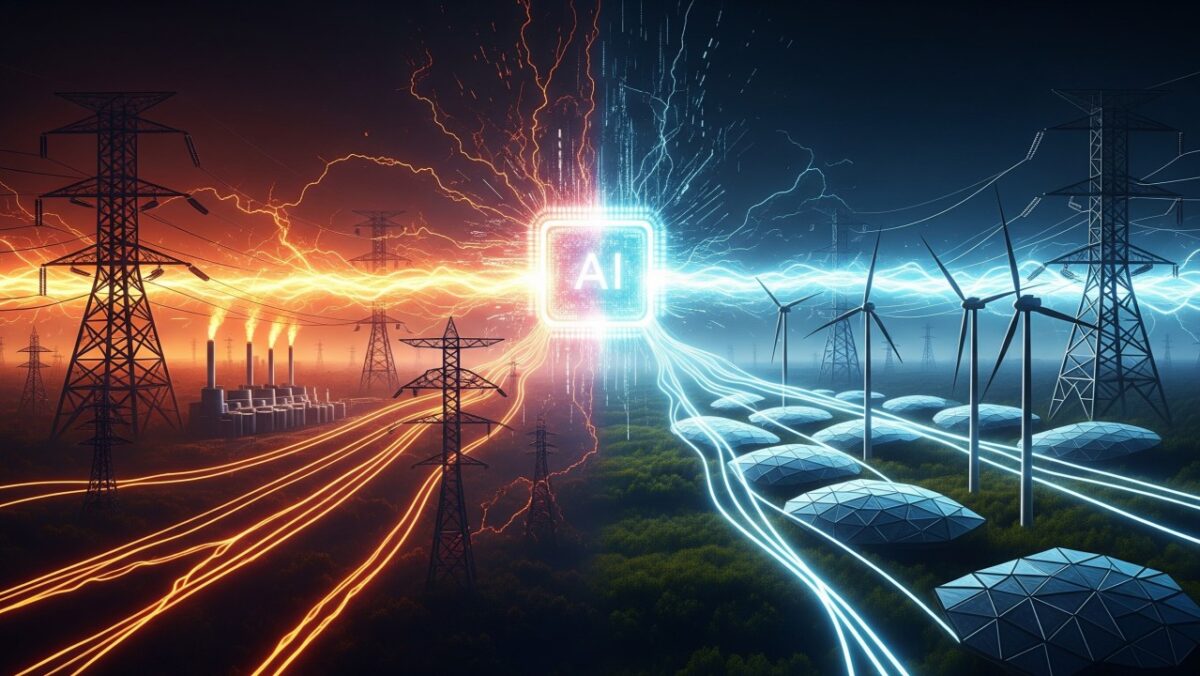
The rapid expansion of artificial intelligence is pushing electricity demand to unprecedented levels across global technology hubs, placing significant pressure on power generation infrastructure.
As major technology companies accelerate investments in AI capabilities and large-scale data centres, electricity consumption is surging after decades of relatively modest growth. However, experts warn that there are not enough gas turbines available to secure the reliable supply required to sustain this momentum.
Gas Turbines in High Demand
Manufacturers of heavy-duty gas turbines are racing to expand production capacity, but supply constraints remain a major challenge.
Siemens Energy, one of the world’s leading turbine manufacturers, recently reported a record quarter for its gas services business, with 102 new turbines added to its backlog. Around 40 per cent of new orders came from the United States, while 35 per cent originated from Europe. The company has also announced plans to invest $1 billion in grid equipment production.
GE Vernova has committed $600 million to expand turbine manufacturing capacity, targeting annual production of up to 80 heavy-duty turbines—equivalent to approximately 20 gigawatts of generation capacity.
Mitsubishi Power has similarly announced plans to double its turbine production capacity in response to soaring demand, acknowledging that earlier expansion plans would be insufficient to meet market needs.
Jet Engines Repurposed for Power Generation
With waiting times for new gas turbines stretching up to five years, some industrial consumers are turning to unconventional solutions. Companies are converting aircraft jet engines into power generation turbines to meet immediate electricity needs.
According to industry reports, firms such as FTAI Aviation have entered this niche market, converting Boeing 737 jet engines into gas turbines within 30 to 45 days, attracting significant investor interest.
Natural Gas, Coal, and Renewables in the Mix
Natural gas, often described as a “bridge fuel” between coal and renewable energy sources, is expected to play a significant role in meeting near-term electricity demand. However, analysts warn that equipment shortages may limit how quickly new gas-fired capacity can come online.
Ed Crooks, Vice Chair for the Americas at Wood Mackenzie, noted that while gas-fired plants will contribute significantly to increased U.S. power demand through 2030, turbine availability will likely remain a constraint on supply growth.
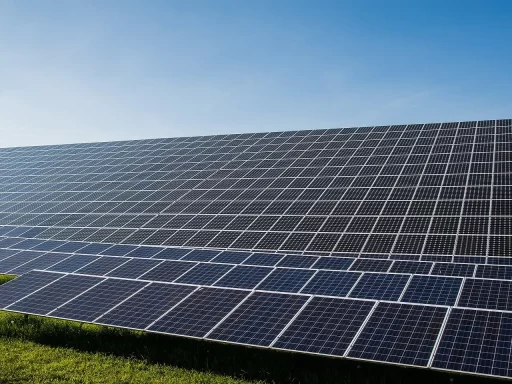
Renewable energy sources such as solar power are also being considered as alternatives. However, scaling solar capacity to meet AI-driven demand would require substantial investment in battery storage and backup generation systems.
As a result, some analysts suggest that coal-fired power plants scheduled for retirement may remain operational longer than planned to ensure grid stability and prevent supply shortages.
Potential Slowdown Ahead
The unprecedented pace of AI expansion has intensified competition among major technology firms. Yet, without sufficient electricity to power expanding data centres, growth trajectories may eventually need to be revised.
Industry observers caution that physical infrastructure limitations, particularly in power generation and grid capacity, could slow the AI race unless rapid and coordinated investments are made across the energy sector.
The intersection of artificial intelligence innovation and energy infrastructure development is now emerging as one of the most critical economic and environmental policy challenges of the decade.