


Customs Unveils Digital OSS To Slash Cargo Clearance To 48 Hours
By Naija Enquirer Staff
The Nigeria Customs Service (NCS) has launched a digital One-Stop-Shop (OSS) platform aimed at reducing cargo clearance timelines to as little as 48 hours, as part of sweeping reforms to modernise port operations and strengthen Nigeria’s trade competitiveness.
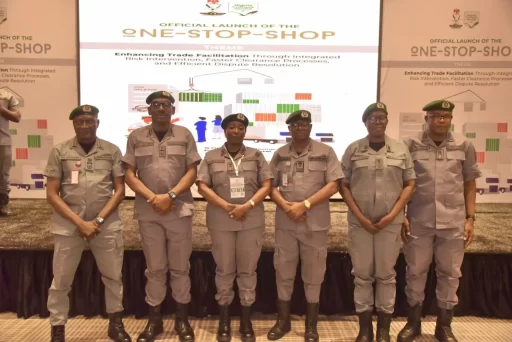
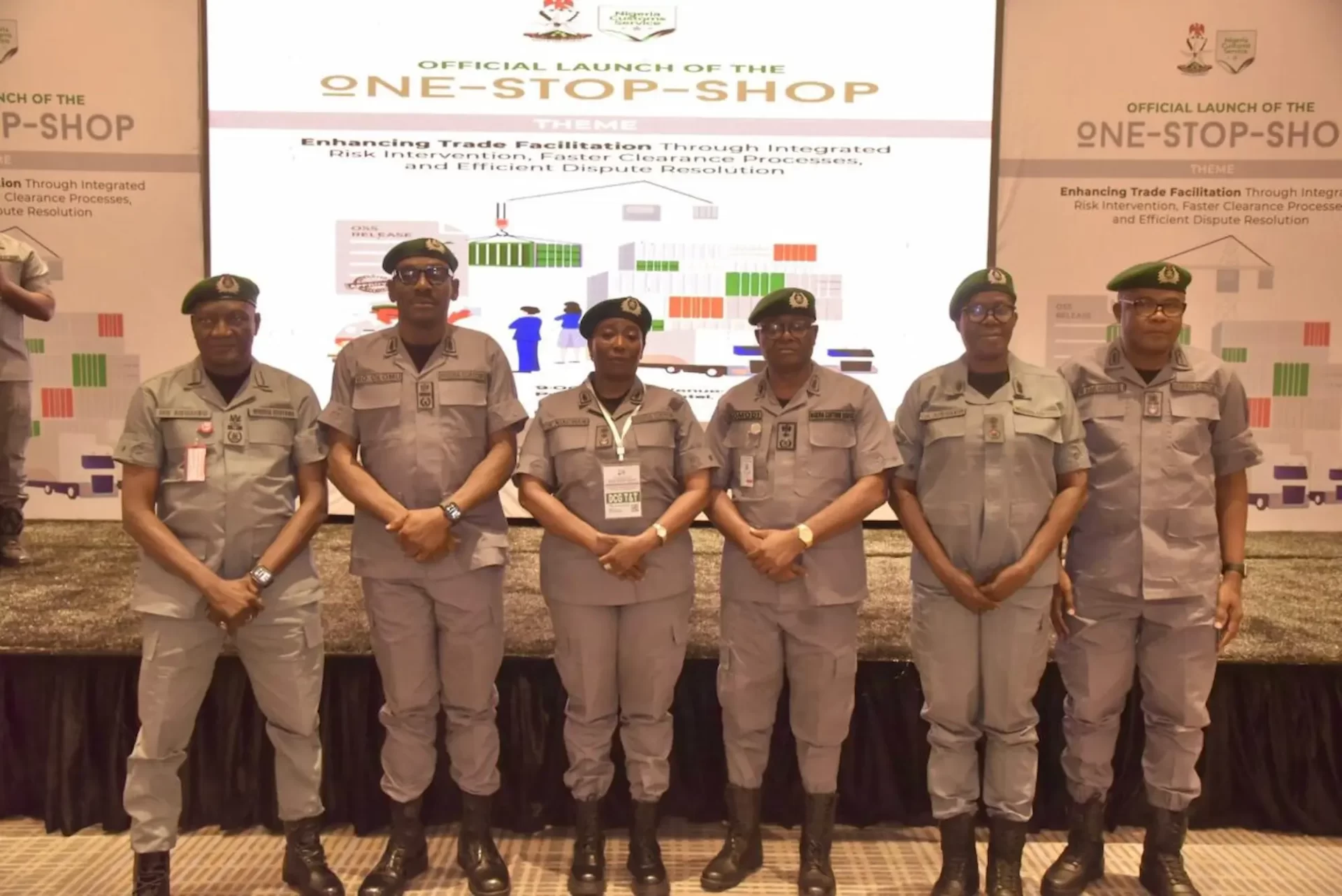
The groundbreaking platform was officially rolled out on 13 February 2026 in Lagos, with Customs leadership describing it as a major step toward simplifying import and export processes through a unified electronic system that consolidates risk checks and multiple interventions.
Comptroller-General of Customs, Adewale Adeniyi, described the initiative as a cornerstone reform aligned with President Bola Tinubu’s business and economic agenda, noting that the new platform reflects the principles of the World Trade Organisation (WTO) Trade Facilitation Agreement.
According to Adeniyi, the reform is expected to enhance transparency, reduce bottlenecks and cut the high cost of doing business at Nigerian ports, stressing that the global standard could reduce trade costs in developing economies by over 14 percent.
“This moves us from discretion to data, isolated fixes to shared accountability,” Adeniyi said, reaffirming the Service’s commitment to supporting lawful trade, safeguarding revenue collection and protecting the integrity of Nigeria’s economy.
Path To Full Paperless Operations
The Customs boss further disclosed that the Service is targeting a transition to full paperless operations by the end of the second quarter of 2026, marking a shift from fragmented manual procedures to a more structured, data-led and collaborative governance system.
He explained that the OSS platform is designed to improve coordination among relevant agencies operating at the ports, ensuring that risk assessment and clearance procedures are carried out efficiently within one digital environment.
How The OSS Platform Works
Deputy Comptroller-General for Tariff and Trade, Caroline Niagwan, provided technical insights into the system, stating that the OSS platform integrates multiple intervention points into a single interface, eliminating redundant checks and addressing longstanding complaints from port stakeholders.
She noted that the platform is built to reduce delays caused by overlapping processes, improve compliance monitoring, and accelerate decision-making through a streamlined electronic workflow.
From 21 Days To 48 Hours
A demonstration by the Trade Facilitation Unit revealed that the platform could potentially reduce cargo dwell time from an average of 21 days to just 48 hours, a development expected to transform the efficiency of Nigeria’s seaports.
The unit also acknowledged possible rollout challenges but assured stakeholders that the Service is committed to addressing operational gaps and ensuring smooth implementation.
Stakeholders Endorse Reform
Stakeholders present at the launch reportedly welcomed the initiative, describing it as a major boost for legitimate trade and a necessary step toward aligning Nigeria’s customs procedures with global best practices.
Interactive sessions were also held during the event, with officials clarifying operational procedures and addressing questions from participants to ensure understanding and compliance.
The NCS said the digital OSS platform is expected to deliver faster port operations, reduce business costs, increase investor confidence and strengthen Nigeria’s position in global trade competitiveness.
Share this: