

Dangote Cement Invests in Low-Carbon Logistics, Digital Transformation
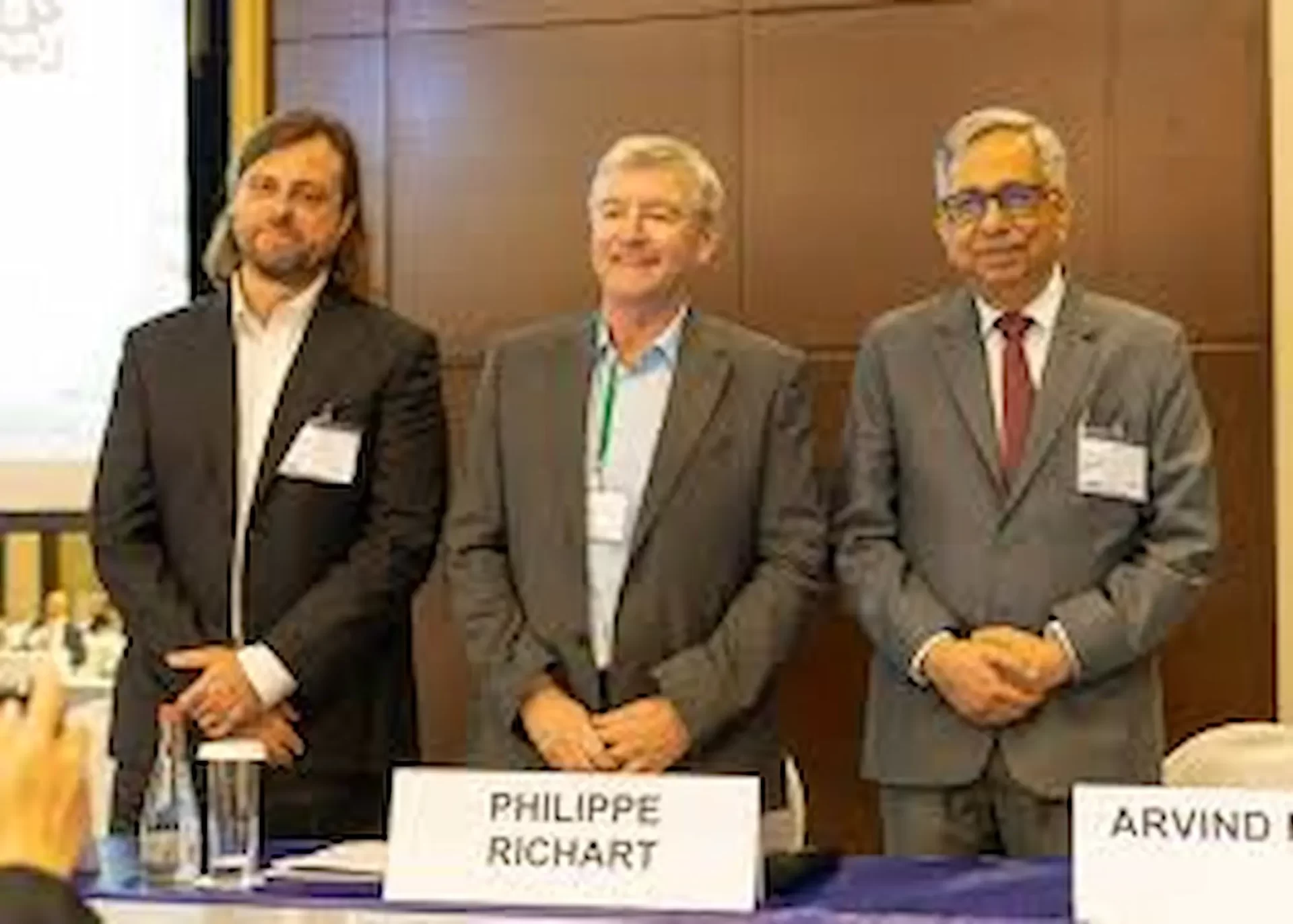
Dangote Cement Plc has reinforced its leadership in sustainable transformation across Sub-Saharan Africa’s cement value chain, with Group Managing Director Arvind Pathak outlining the company’s low-carbon and digital strategy at the 14th Africa CemTrade Summit in Accra, Ghana.
Sustainability Embedded in Business Strategy
Speaking on the theme “Sustainable Innovation in the Sub-Saharan Africa Cement Distribution Value Chain,” Pathak said sustainability is central to Dangote Cement’s operations linking profitability with environmental stewardship and job creation.
“Sustainability has never been an afterthought for us; it is central to how we grow, innovate, and operate,” Pathak said.
Scale and Decarbonisation Progress
Over two decades Dangote Cement expanded into a continental operator across 11 countries with an installed capacity of approximately 55 million tonnes per annum. Pathak highlighted the company’s deliberate shift toward lower-carbon production practices.
- Co-processed 1.5 million tonnes of alternative fuels since 2021
- Deployed 15 alternative fuel systems across plants
- Achieved up to 40% thermal substitution in selected plants (Senegal, Zambia, South Africa)
- Targeting 20% carbon emissions reduction by 2030
Low-Carbon Logistics: CNG and Dual-Fuel Fleet
A central pillar of the green transition is the company’s investment in compressed natural gas (CNG) logistics. Dangote Cement now operates over 3,000 CNG-powered trucks and 1,000 dual-fuel vehicles, reducing emissions and transport costs. The firm aims for a fully CNG-powered fleet in Nigeria by 2026, which Pathak said would cut carbon intensity per energy unit by nearly 29%.
Digital Transformation and Supply Chain Efficiency
Digital tools are being used to optimise distribution and improve transparency, including a Distributor Management System (DMS), Transport Management System (TMS), and Electronic Proof of Delivery (e-POD). The company has mapped over 65,000 retail outlets in Nigeria and, through its Customer Truck Empowerment Scheme (CTES), distributed more than 4,000 trucks to transport partners.
Community Investment and Partnerships
In 2024, Dangote Cement invested over ₦12.4 billion in community development projects across host countries, a four-fold increase from the previous year, supporting education, healthcare, infrastructure and youth empowerment.
Pathak emphasised collaboration with global and regional partners including the Global Cement and Concrete Association (GCCA) and UCLG Africa and support for low-carbon cement standards such as the LC3 initiative.
Recognition and Outlook
Dangote Cement’s Deputy Head of Sustainability, Dr Oyekemi Oyelola, noted the company’s sustainability efforts contributed to a B+ CDP rating in 2024. She said the company’s approach shows industrial progress and environmental responsibility can coexist.
“Our mission is to ensure that Dangote Cement leads the transformation to fill the gap of Africa’s infrastructure deficit,” Dr Oyelola said, stressing the company’s role in providing resilient building materials while supporting a greener industrial future.
Dangote Cement’s investments in alternative fuels, CNG logistics and digital supply-chain technology underline its strategic commitment to low-carbon industrialisation and operational efficiency — positioning the company as a model for sustainable manufacturing across Sub-Saharan Africa.