

Europe Considers Permanent Ban on Russian Oil Imports
By Naija Enquirer Staff
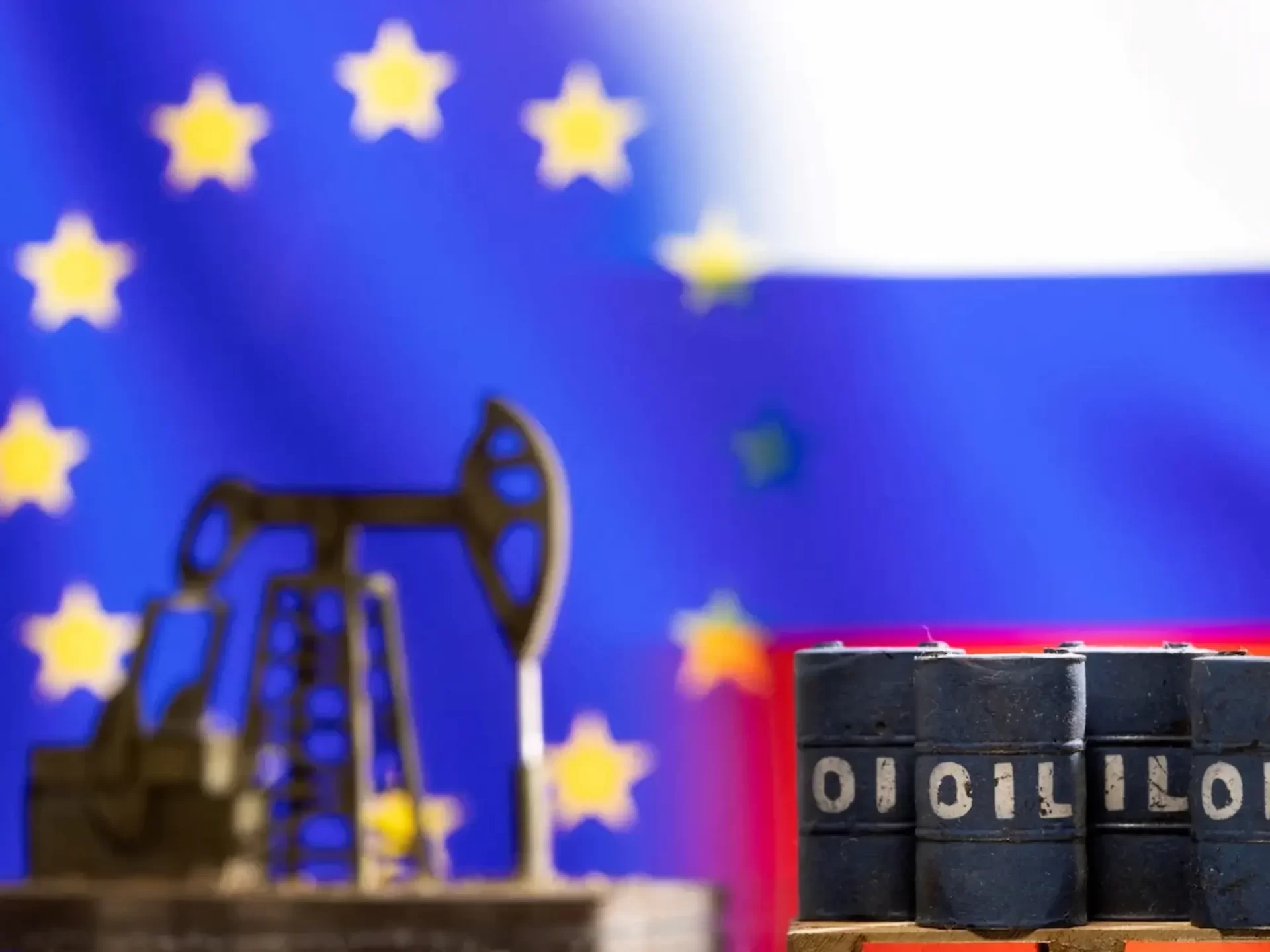
The European Union (EU) is considering a proposal to permanently ban Russian oil imports and impose a comprehensive prohibition on providing shipping and related services for Russian crude, marking a significant escalation in its sanctions regime against Moscow.
If implemented, the measure would represent one of the bloc’s strongest attempts yet to curtail Russia’s energy revenues. However, analysts note that turning the proposal into reality would require coordination beyond Brussels, particularly with G7 partners that dominate global maritime insurance and shipping finance.
Targeting the Logistics Backbone
While earlier EU sanctions focused on restricting direct imports of Russian crude and imposing price caps, the new proposal shifts attention to the logistical infrastructure that enables oil exports to reach global markets.
By limiting access to shipping, insurance, and financial services, the EU aims to tighten enforcement and close loopholes that have allowed Russian crude to continue flowing to non-Western buyers.
Russian officials have reacted sharply, describing the proposal as “madness” and accusing European leaders of destabilising global energy markets. Oil exports remain a crucial revenue stream for Moscow, even as trade flows have increasingly shifted toward Asia.
Global Coordination Key to Effectiveness
The success of any service-based ban would depend heavily on international alignment. Much of the world’s tanker insurance, maritime compliance, and shipping finance systems operate under G7 jurisdictions.
Without broad participation, enforcement gaps could reduce the effectiveness of the sanctions. With coordinated backing, however, global shipping routes and trade patterns could face renewed disruption.
Implications for Energy Markets
For global energy markets, the proposal introduces another layer of uncertainty. Russian crude continues to circulate through alternative trade channels, but restrictions on shipping services could complicate logistics, increase transaction costs, and potentially tighten available supply.
At the same time, Europe faces its own risks. Energy markets remain highly sensitive to supply disruptions, and rapid realignment of trade flows can trigger short-term price volatility before stabilising under new patterns.
Sanctions in Evolution
The latest development highlights how sanctions have evolved into dynamic policy instruments that adapt and escalate over time. As Brussels and Moscow continue their economic standoff, enforcement mechanisms may prove just as consequential as the volume of oil exports themselves.
In a global market already reshaped by geopolitical shifts and rerouted trade flows, the EU’s deliberations could mark another pivotal chapter in the ongoing energy realignment.