


Fresh Spill in Ogoniland: Government Blames Sabotage, Warns of Threat to Cleanup Efforts
By Naija Enquirer Staff
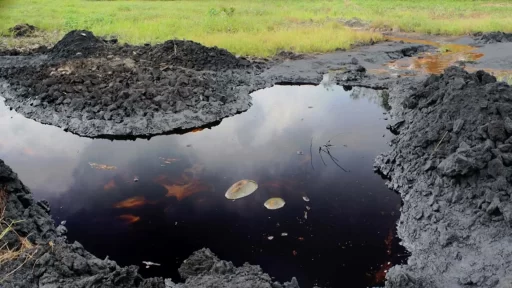
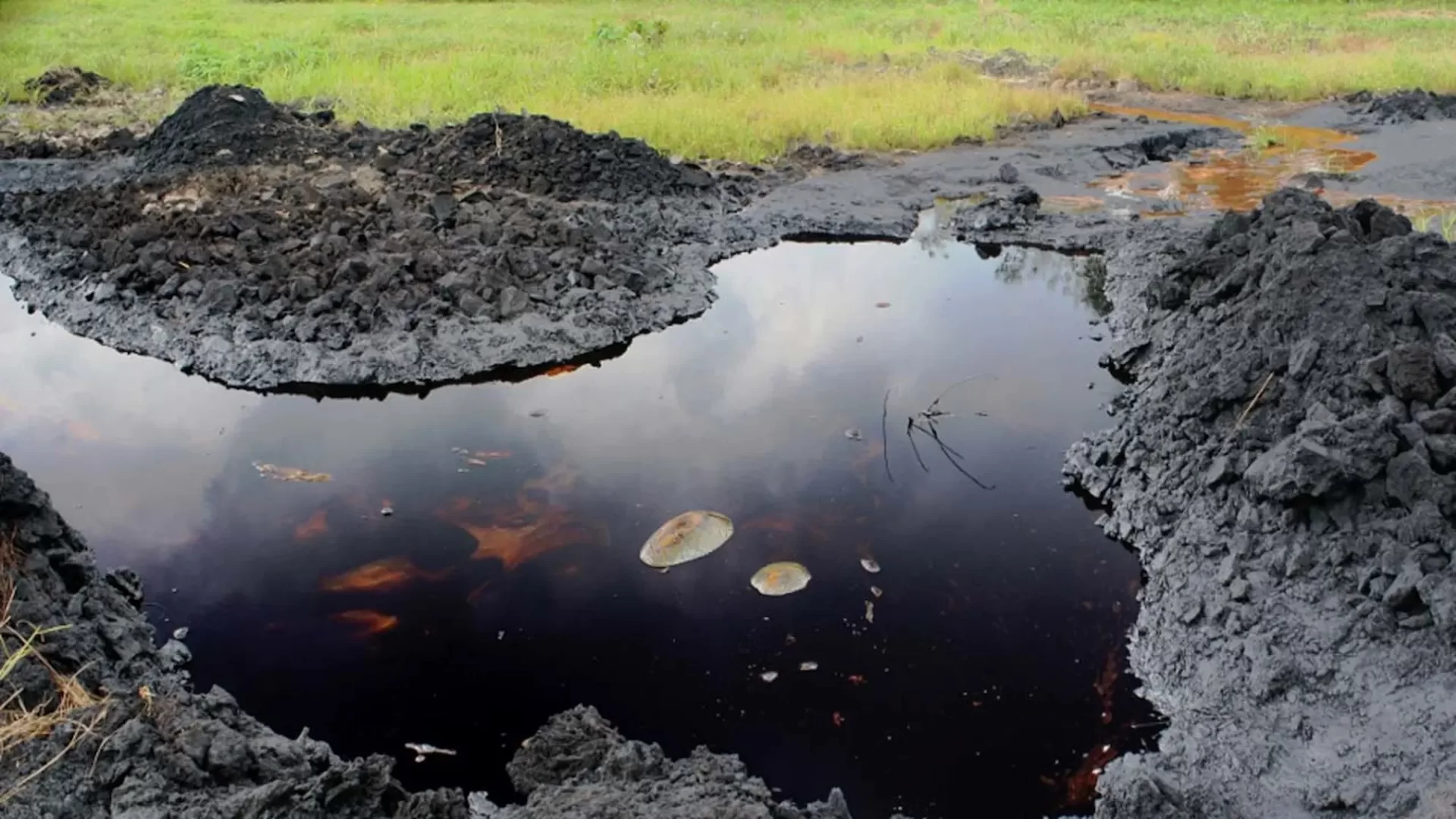
National Security Adviser, , has attributed a recent crude oil spill in the Kpean community of to acts of sabotage, warning that criminal damage to oil infrastructure threatens ongoing environmental clean-up efforts.
Ribadu led a federal delegation on Monday to assess the impact of the spill, accompanied by senior government officials including the Minister of Environment, Balarabe Lawal; the Minister of Works, David Umahi; and the Group Chief Executive Officer of the , Bashir Bayo Ojulare.
Addressing journalists at the spill site in Rivers State, Ribadu said the affected oil well had been inactive for more than three decades and that preliminary findings indicated deliberate damage. He described the incident as the handiwork of oil thieves and vandals seeking to illegally siphon crude.
“This facility has not been operational for over 30 years. What we are seeing here is clearly sabotage by enemies of the people who want to steal oil and undermine national efforts,” Ribadu said, warning that repeated attacks could derail the extensive clean-up already underway in the area.
Federal emergency response teams have since been deployed to contain the spill. According to Ribadu, containment has been largely successful, with further leakage halted and recovery operations ongoing.
A decades-old legacy of pollution
Ogoniland has long stood at the centre of Nigeria’s oil pollution crisis. Commercial oil production began in the late 1950s, and decades of spills, gas flaring and contamination left farmlands and waterways heavily polluted.
A landmark assessment by the United Nations Environment Programme (UNEP) in the early 2010s revealed widespread hydrocarbon contamination of soil and groundwater, with some areas recording pollution levels far above internationally acceptable standards. Oil production in Ogoniland was halted in 1993 following sustained protests by local communities.
The execution of environmental activist Ken Saro-Wiwa and eight other Ogoni leaders in 1995 remains a defining chapter in the region’s troubled history.
Sabotage, theft and aging infrastructure
Although oil production ceased decades ago, aging pipelines and abandoned facilities remain scattered across Ogoniland. Experts say many of these installations suffer from corrosion, poor maintenance and repeated breaches, often linked to illegal bunkering and crude oil theft.
While government officials frequently attribute new spills to sabotage, environmental groups argue that weak regulation, legacy infrastructure and long-standing neglect also play significant roles.
Cleanup efforts and lingering challenges
The Federal Government established the Hydrocarbon Pollution Remediation Project (HYPREP) in 2012 to implement UNEP’s recommendations for restoring Ogoniland’s environment. However, progress has been slow, with civil society groups raising concerns over transparency, funding and the effectiveness of remediation work.
Despite these challenges, authorities insist that renewed focus, improved oversight and community engagement are key to achieving lasting environmental recovery.
Ribadu appealed to residents to protect oil infrastructure, describing it as national wealth, and urged communities to support remediation efforts rather than engage in activities that worsen environmental damage.
As Nigeria continues to balance economic survival with environmental responsibility, Ogoniland remains a powerful reminder of the long-term costs of pollution, sabotage and delayed accountability.