



Gas Flare Worsens as NOSDRA Halts Monitoring, Threatening Environment and Revenue
By: NaijaEnquirer Staff
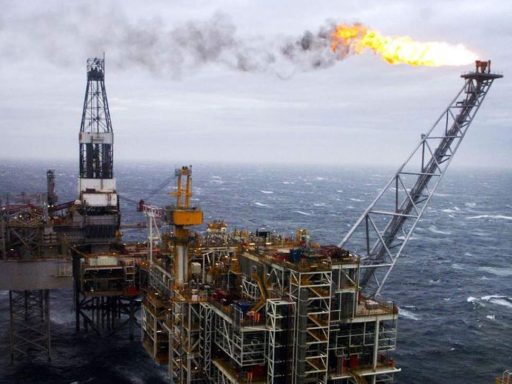
Oil and gas companies in Nigeria flared 11.315 billion standard cubic feet (SCF) of gas in September 2025, representing an 11.37 per cent increase from 10.431 billion SCF recorded in August, according to the latest data from the Nigerian National Petroleum Corporation Limited (NNPCL). The figures highlight rising concerns about environmental impact and regulatory oversight.
Declining Gas Output Amid Rising Flaring
The NNPC report shows that total gas output in September dropped by 11.48 per cent to 150.316 billion SCF, compared to 169.819 billion SCF in August. Notably, 7.53 per cent of the gas produced in September was flared, marking a steady increase in flare volume as the country grapples with oversight gaps.
NOSDRA’s Discontinuation Raises Alarm
Environmental analysts attribute the rising gas flare to the National Oil Spill Detection and Response Agency’s (NOSDRA) decision to stop monitoring and publishing flare data since May 2025. Before the halt, gas flare percentages were lower—5.33 per cent in May and 5.61 per cent in June, gradually rising to 6.14 per cent in August, and 7.53 per cent in September 2025.
When contacted, NOSDRA declined to comment on the reasons for suspending the tracking system, which previously provided real-time data critical for environmental accountability and revenue collection.
Historical Context: The Gas Flare Tracker
In 2019, NOSDRA launched the Oil Spill Monitor and Gas Flare Tracker, developed by the Stakeholder Democratic Network (SDN) and funded by the Facility for Oil Sector Transparency and Reform (FOSTER). Then-Director General Idris Musa explained that these tools allowed accurate measurement of flared gas, crude oil spillage, and potential penalties for defaulting companies. The tracker also quantified carbon dioxide emissions and electricity generation potential, offering a comprehensive approach to environmental regulation.
Economic and Environmental Consequences
Experts warn that the absence of monthly flare updates undermines environmental protection and reduces government leverage to impose correct penalties on oil companies. The discontinuation could result in increased greenhouse gas emissions, lost revenue, and diminished accountability in Nigeria’s petroleum sector.
The Gas Flare Tracker had previously allowed the government to calculate exact volumes of flared gas, enforce penalties, and improve transparency in oil sector operations. Analysts argue that halting such monitoring jeopardizes both the environment and the nation’s economic interests.
Looking Ahead
With September’s data showing a rise in flaring to 7.53 per cent of total gas output, stakeholders are calling for urgent reinstatement of regular monitoring. Environmentalists, policymakers, and civil society groups emphasize that robust tracking is essential to reduce gas flaring, protect the climate, and secure national revenue from the oil and gas industry.