

Ghana May Cut Reliance on Nigerian Petrol as Tema Refinery Restarts Operations
By Naija Enquirer Staff
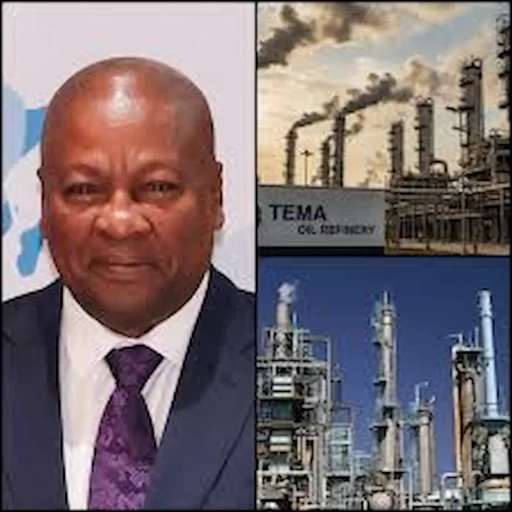
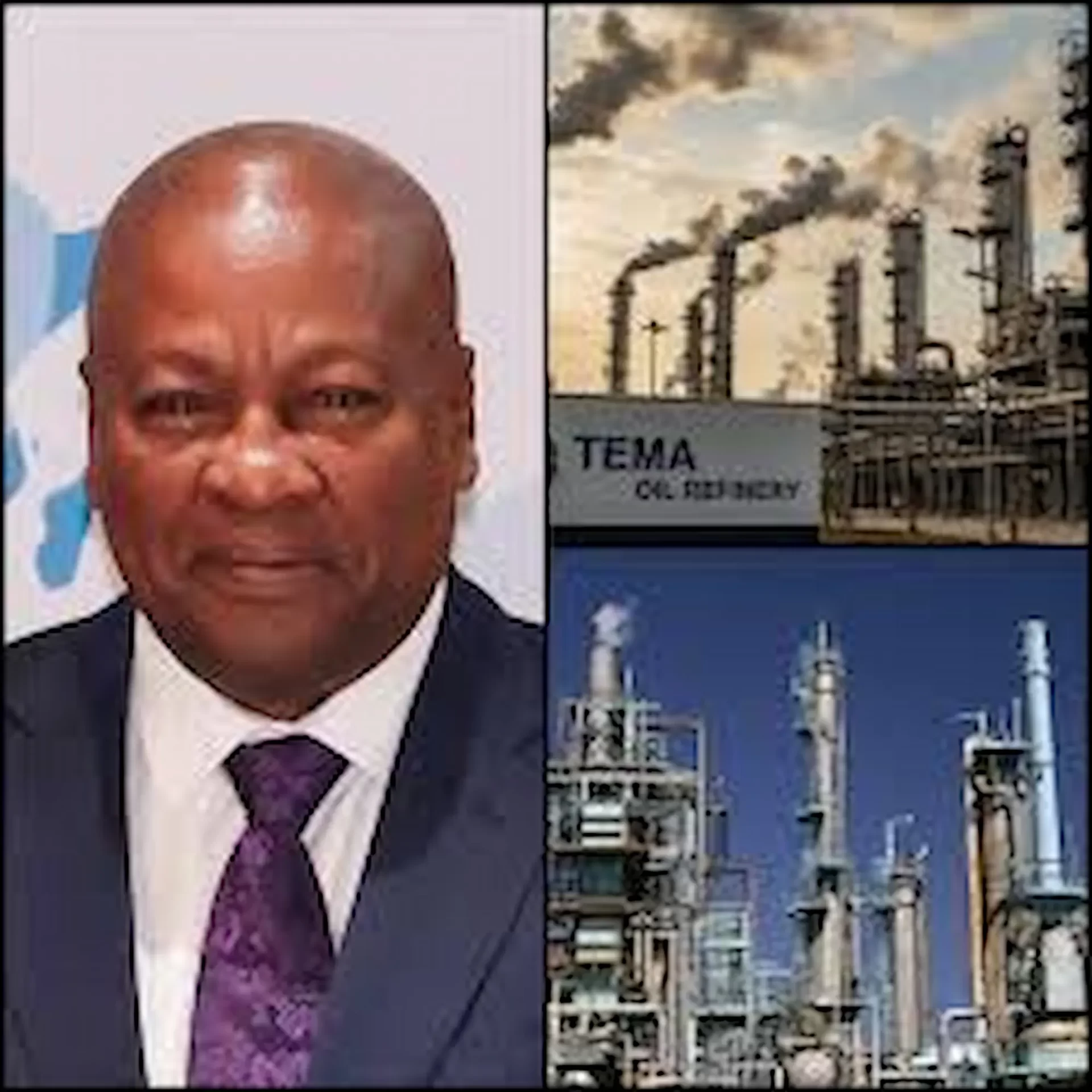
The volume of petrol Ghana imports from Nigeria may decline significantly following the restart of the country’s state-owned Tema Oil Refinery (TOR), which has resumed operations after being shut since April 2021.
The 45,000 barrels-per-day (b/d) refinery’s return is expected to ease Ghana’s dependence on imported clean petroleum products, which have more than doubled since 2017 to about 128,000 b/d this year. This includes roughly 65,000 b/d of diesel and gasoil, and 52,000 b/d of gasoline, according to data from Kpler.
Nigeria’s 650,000 b/d Dangote Refinery has been Ghana’s largest supplier in 2025, exporting an estimated 27,000 b/d of refined petroleum products to the country.
TOR confirmed that the Tema refinery is currently operating at approximately 28,000 b/d, with all output being directed into storage for the first time in several years. The facility has storage capacity for about 260,000 tonnes of refined products and 1.93 million barrels of crude oil.
The refinery’s crude distillation unit (CDU) underwent three months of maintenance, which was completed on October 30. Ghanaian regulators subsequently cleared the facility to resume operations on December 19. A new management team, appointed in May and led by Managing Director Edmond Kombat, was tasked with restarting the CDU and a 14,000 b/d residue fluid catalytic cracker.
The refinery had initially missed an October restart deadline but is now targeting a gradual ramp-up in output. According to TOR, crude processing volumes will be increased to full nameplate capacity once a new furnace is integrated into the atmospheric distillation unit.
In the medium term, further upgrades are planned, including an expansion of CDU capacity to 60,000 b/d and the replacement of a 6,500 b/d catalytic reformer with a 10,000 b/d continuous catalytic reformer.
The restart of the Tema refinery is expected to alter fuel trade flows in West Africa, potentially reducing Ghana’s reliance on Nigerian fuel supplies while strengthening domestic refining capacity and energy security.