


Jonathan’s Possible 2027 Comeback Sparks Debate Across Nigeria
By NaijaEnquirer Staff
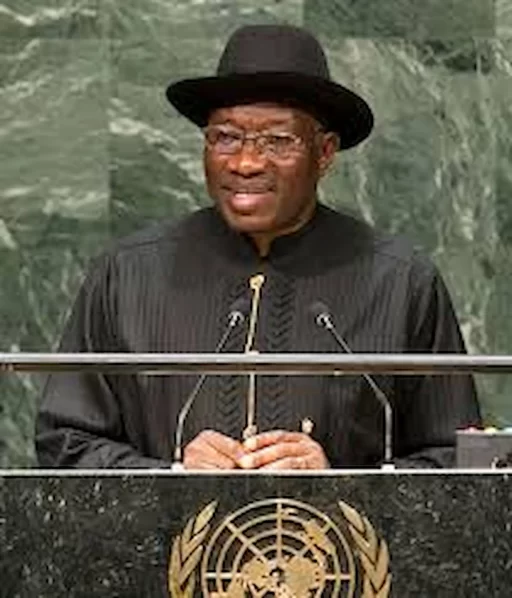
Nigeria’s political landscape is heating up ahead of the 2027 general elections, as speculation over former President Goodluck Jonathan’s possible return to the ballot has stirred sharp divisions. The conversation reignited after PDP stalwart Professor Jerry Gana announced that Jonathan would contest under the party’s banner, insisting Nigerians are ready to “bring back” the former leader.
Mixed Reactions from Citizens and Analysts
Jonathan’s potential comeback has triggered contrasting reactions nationwide. Supporters view him as a stabilising force who presided over democratic consolidation and relative growth. Critics, however, recall dwindling reserves, fiscal indiscipline, and what they describe as widespread mismanagement under his watch.
Social media platforms have become the loudest battleground, with ordinary Nigerians weighing in. While some reflect nostalgically on Jonathan’s perceived humane style of governance, others argue that his administration squandered record oil revenues, leaving states unable to pay salaries.
Economic Legacies in Question
The debate over Jonathan’s record is deeply rooted in economic performance. He inherited $66 billion in public funds in 2010, but by 2015 reserves had plunged below $30 billion, and the Excess Crude Account was nearly depleted. Critics cite misallocation of funds and alleged profiteering among elites as key failings.
Yet defenders argue that GDP growth and democratic stability during his tenure must not be ignored. They contend that today’s Nigerians, grappling with insecurity and poverty, judge leadership less by statistics and more by lived experiences of welfare and cohesion.
Ruling Party Defends Tinubu’s Record
The Tinubu administration has pushed back against Jonathan’s possible return, with Bayo Onanuga, Special Adviser to the President, branding Jonathan’s years as “economically damaging.” He pointed instead to reforms since 2023: removal of the fuel subsidy, unification of exchange rates, stabilisation of the naira, and major infrastructure projects like the Lagos-Calabar Coastal Highway.
PDP’s Strategic Positioning
Within the PDP, Gana frames Jonathan’s comeback as a democratic necessity. He dismisses claims of internal crisis, highlighting successful congresses such as in Niger State, where Alhaji Aliyu Halidu emerged chairman. Party leaders are presenting Jonathan as central to a people-driven agenda aimed at displacing the ruling APC in 2027.
Public Sentiment and Democratic Stakes
The public debate underscores deeper national questions: What do Nigerians want in a leader? For some, it is economic growth and investment attraction; for others, it is security, welfare, and social stability. Twitter commentators like O.V. Adeyeye have questioned the government’s handling of insecurity, while others insist Jonathan’s leadership, though imperfect, offered more stability than today’s challenges.
Looking Ahead to 2027
Jonathan’s possible candidacy highlights Nigeria’s recurring reliance on former leaders to solve contemporary political crises. Analysts warn that nostalgia may not translate into electoral success, as citizens are increasingly demanding both competence and fresh ideas.
For President Tinubu, the challenge is to show reforms are improving everyday lives, not just economic indicators. For Jonathan, the task will be to prove he has learned from past missteps and can offer something distinct from his previous tenure.
As Nigeria heads toward 2027, the conversation surrounding Jonathan is more than about one man. It is a referendum on governance, memory, and the future of democratic leadership in Africa’s largest democracy. Whether or not Jonathan runs, his name has already reshaped the political debate—and Nigerians will be watching closely.