


Lagos Deepens Building Safety Reforms to Prevent Structural Failures
By NaijaEnquirer Staff
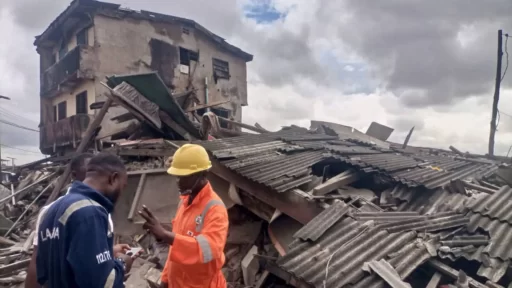
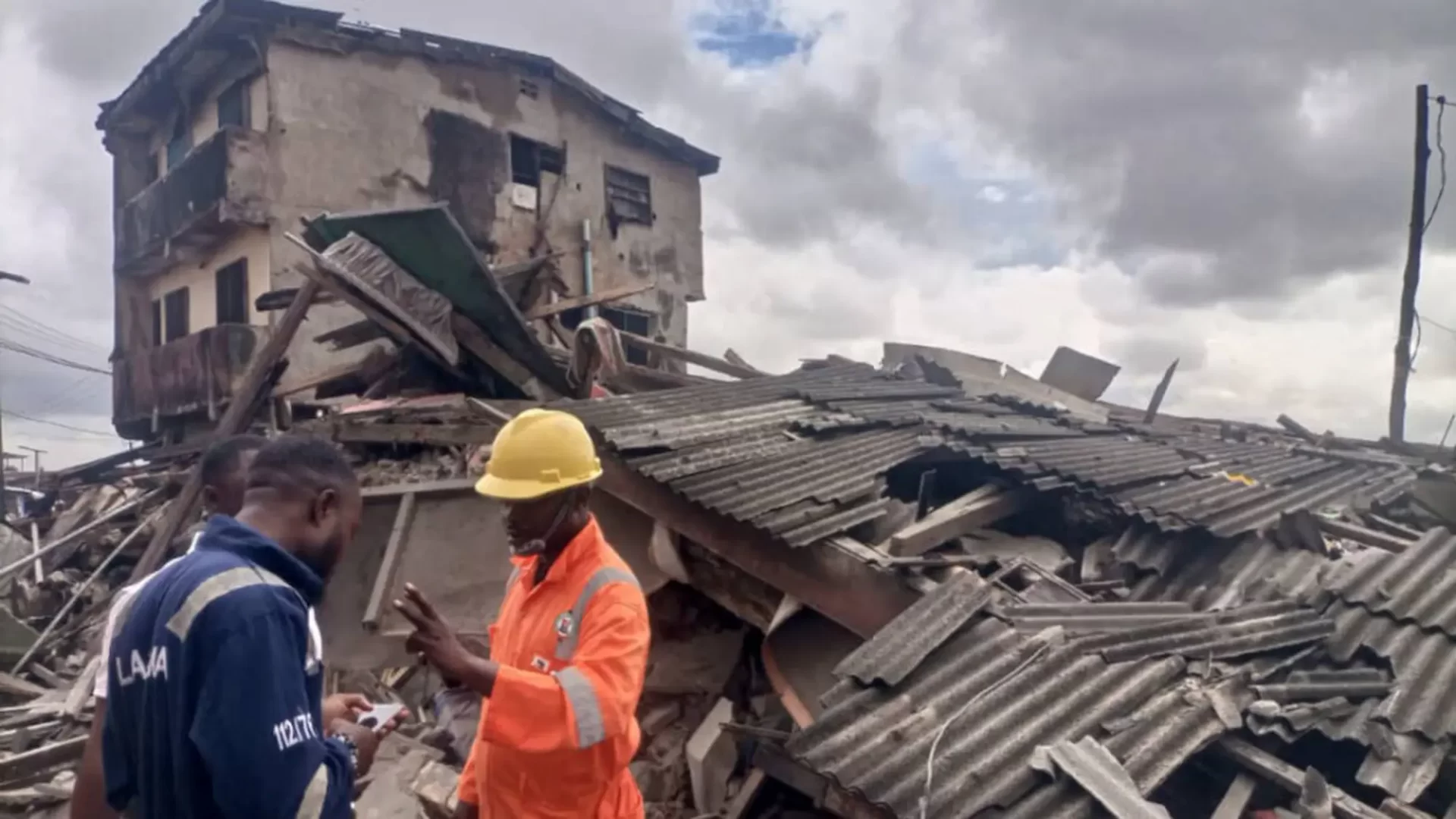
The Lagos State Government is intensifying its building safety measures through stronger regulations, improved quality management systems, and proactive inspections, as part of a sustained drive to curb building collapse incidents.
At the National Building Safety and Structural Integrity Initiative (NBSSII) workshop, themed “Incessant Building Collapse in Nigeria: The Need for Strict Adherence to Building Codes and Regulation”, stakeholders from across the built environment gathered at Tafawa Balewa Square, Onikan. Attendees included bricklayers, iron benders, carpenters, welders, licensed electrical contractors, plumbers, engineers, market leaders, council chairmen, CDAs, and government regulators.
New Structural Integrity Programme
Governor Babajide Sanwo-Olu launched the Certified Structural Integrity Programme (CSIP), under which all buildings in Lagos will undergo structural tests every five years to assess habitability. He stressed that buildings are “vessels of human life,” and collapse incidents often result from human error, negligence, corruption, or regulatory lapses.
Sanwo-Olu revealed that of more than 180 building collapses recorded in Nigeria between 2005 and 2022, over 60% occurred in Lagos. While the city has historically been the most affected, 2025 is on track to record the lowest number of collapses in two decades, thanks to improved oversight and compliance.
Tackling Root Causes
The Governor identified major causes of collapse, including use of substandard materials, unqualified contractors, non-adherence to approved plans, corruption in permit processes, inadequate supervision, and poor maintenance culture. Measures taken include a review of building codes, enforcement of the Lagos State Urban and Regional Planning and Development Law, and empowering the Lagos State Building Control Agency (LASBCA) to conduct regular inspections.
Sanwo-Olu called for community vigilance, urging CDAs and CDCs to report illegal construction. “Professional negligence is a form of social violence,” he said, emphasising that enforcement must be consistent and professional bodies must hold members accountable.
National Support and Model for States
Minister for Housing and Urban Development, Arc. Ahmed Musa Dangiwa, represented by Dr. Shuaib Belgore, praised Lagos for its leadership in building control reforms and described the CSIP as “innovative” and a model for other states to adopt.
Strengthening Enforcement Partnerships
Arc. Gbolahan Oki, Permanent Secretary, Lagos State Office of Urban Development, highlighted another milestone: the Certified Accreditors Programme (CAP), which deploys accredited professionals to work alongside regulatory agencies from foundation to completion, reducing risks that lead to collapse.