


Modular Gas Projects Could Power Nigeria’s Industrial Comeback
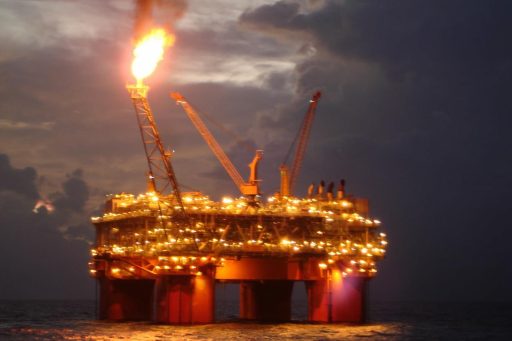
Nigeria flares over 7 billion cubic feet of gas annually enough to generate thousands of megawatts and power hundreds of factories. Experts warn the country is ignoring small-scale solutions that could change that now.
While government efforts focus on large pipelines and LNG exports, stranded gas from flare sites remains underutilised. Modular technologies could turn this wasted energy into a lifeline for Nigeria’s struggling industrial hubs.
Gas Wasted, Factories Idle
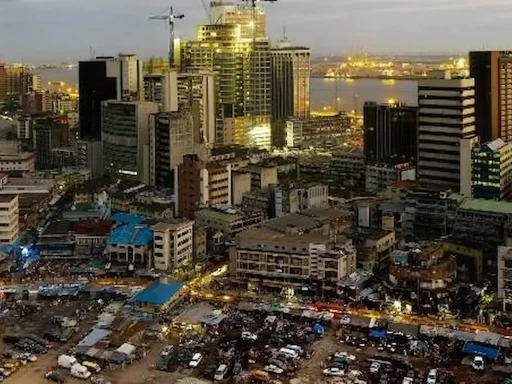
Nigeria holds over 200 trillion cubic feet of proven gas reserves. Yet most of it remains unused, flared, or stuck in the ground due to poor infrastructure and outdated delivery models. Industrial zones like Aba, Kaduna, and Ilupeju still rely on costly diesel generators.
“This isn’t a resource issue. It’s an infrastructure failure,” said Niyi Adeyemi, an energy consultant. “We flare enough gas to industrialise half the country if we had the systems to move and use it.”
Mini Systems, Major Potential
New modular gas-to-power (GTP), mini-LNG, and compressed natural gas (CNG) technologies now make it viable to use even small volumes between 0.5 and 10 million standard cubic feet per day (mmscfd). These can power local grids or industrial clusters without the need for national pipeline extensions.
These units are mobile, fast to deploy, and cost-efficient. They can sit beside flare sites and serve nearby demand—cutting diesel costs and boosting factory output.
Targeting Industrial Clusters
Across Nigeria, dozens of small to medium industries are operating below capacity due to erratic electricity. Places like Nnewi, Ilorin, and Sango-Otta could switch to cheaper, cleaner gas if it were accessible.
“Give us reliable gas, and we’ll triple our production,” said Chioma Nwosu, a metalworks factory owner in Nnewi. “The diesel bills alone are killing our margins.”
How It Works
Flared gas must be treated to remove hydrogen sulphide, carbon dioxide, and other corrosive substances. It is then compressed and converted into electricity or CNG. Microturbines, mobile separation units, and CNG skids all enable this process quickly and safely.
With fewer regulatory hurdles and quicker timelines, these systems are ideal for bridging Nigeria’s energy gap—especially in remote or under-served areas.
Collaboration and Policy Needed
Developers face delays from unclear licensing terms, inconsistent flare capture rights, and slow permit approvals. The Nigerian Gas Flare Commercialisation Programme (NGFCP) and recent regulations are a good start—but they need urgent enforcement.
“We need faster approvals, tax incentives, and enforceable contracts,” said Bolaji Hassan, CEO of a local energy firm. “This is low-hanging fruit for Nigeria’s economy and climate goals.”
Environmental and Economic Win
Flare gas conversion helps Nigeria reduce greenhouse emissions, while cutting diesel use improves air quality and lowers factory costs. A 10 mmscfd site could generate up to 20 MW of distributed power—enough for several small factories.
Decentralised energy also builds local supply chains, creates jobs, and enhances energy security. Each project functions independently scaling across regions without waiting for national infrastructure.
Turning Waste into Growth
Nigeria’s gas future doesn’t have to wait for mega-pipelines. Modular systems offer a faster, cleaner, and more inclusive path to industrial growth. Every flare site is a wasted opportunity until it is turned into fuel.
“If we act now, we can build an energy model that works for every part of Nigeria,” said Adeyemi. “This is not just about power it’s about prosperity.”