

NCDMB Shines at NOG 2025, Driving Local Content and Regional Energy Leadership
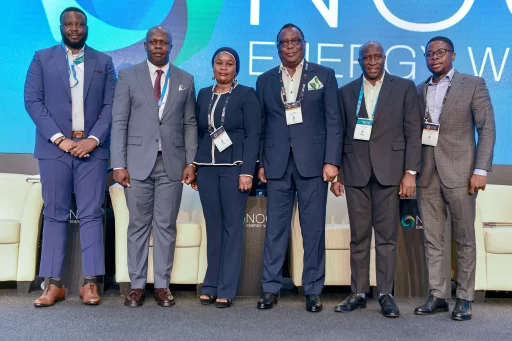
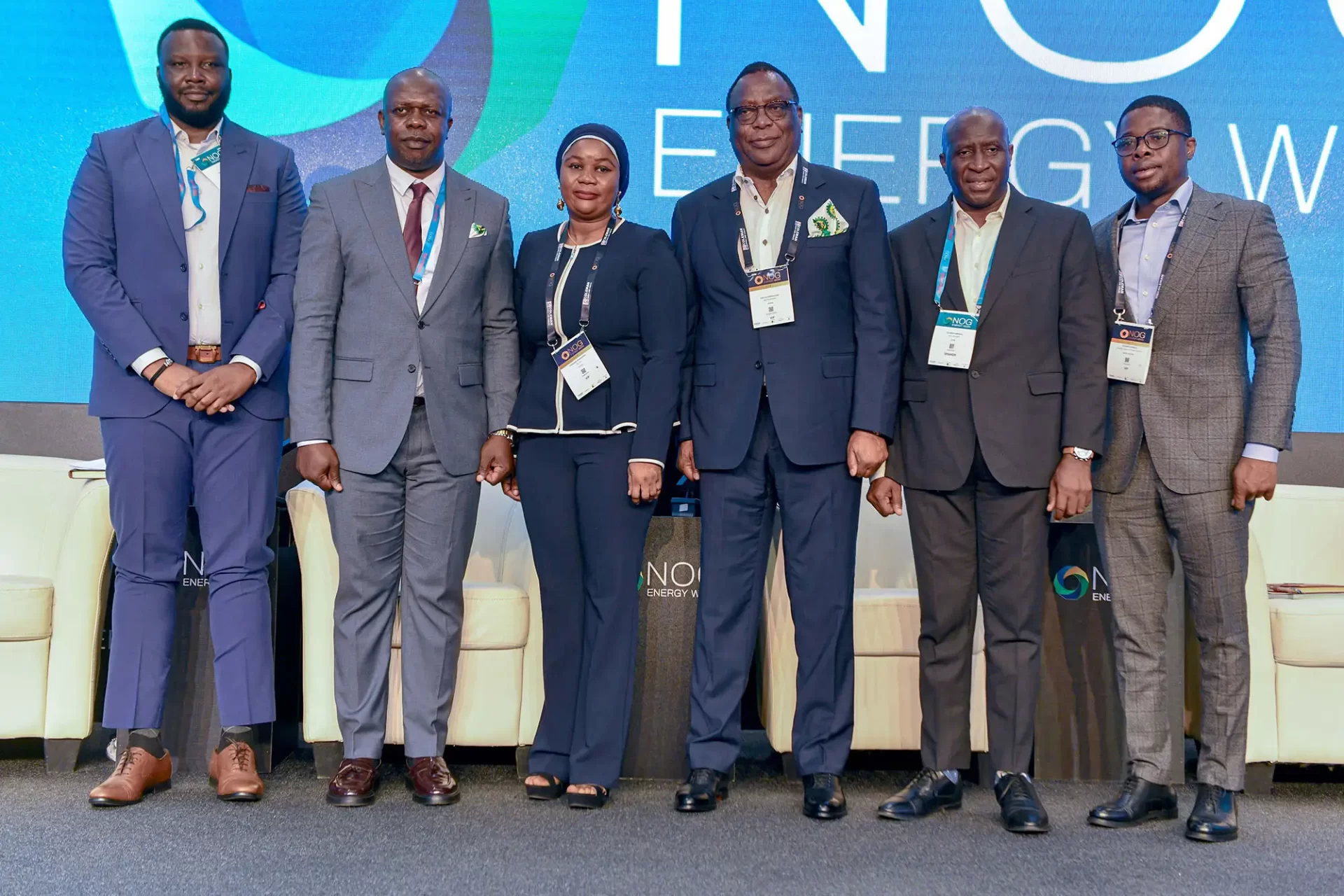
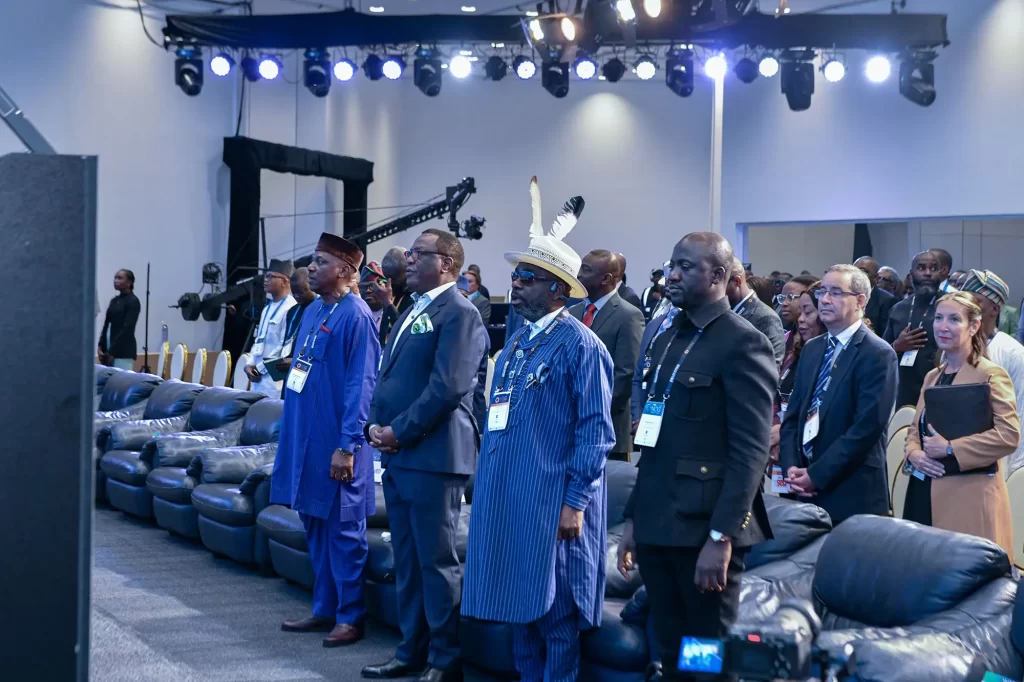
ABUJA — At the just-concluded Nigeria Oil and Gas (NOG) Conference 2025, the Nigerian Content Development and Monitoring Board (NCDMB) emerged as a powerful force shaping the future of Nigeria’s energy sector. Over the three-day event held from 30 June to 2 July in Abuja, industry leaders, policymakers, and energy innovators spotlighted NCDMB’s transformative policies as central to national growth and regional influence.
“Through local content, Nigeria isn’t just building energy systems—it’s building economic resilience,” declared NCDMB Executive Secretary, Engr. Felix Omatsola Ogbe, during the conference’s opening session.
Indigenous Impact: From Policies to Projects
NCDMB’s influence has rippled across Nigeria’s energy value chain. At the gala dinner, Green Energy International Ltd (GEIL) credited the Board with enabling the commissioning of the Otakikpo Crude Export Terminal—the first wholly indigenous onshore terminal in over 50 years.
With $400 million already invested and a projected $1.3 billion total cost, the terminal boasts a 750,000-barrel storage capacity and can pump 360,000 barrels daily. It’s expected to cut crude evacuation costs by 40% and boost Nigeria’s daily output to 2 million barrels—a direct win for local operators and the NCDMB’s “Nigeria First” policy.
“Local content is not optional; it’s a national imperative,” Ogbe emphasised, highlighting the Board’s new “Nigeria First Procurement Policy”, aligned with the NOGICD Act 2010 and President Tinubu’s Executive Orders.
Financing the Future: SMEs and Host Communities
 One standout reform is the revamped Community Contractors Financing Scheme, now offering up to ₦100 million in loans with simplified collateral terms. Backed by partners like BOI and FCMB, the fund empowers contractors from host communities to take on vital roles in oil projects.
“We’re not just funding companies—we’re investing in equity and inclusion,” Ogbe noted.
Human Capital: Back to the Creek, Forward with Skills
NCDMB’s “Back-to-the-Creek” initiative also drew attention. Designed to empower youths in marginalised oil-producing areas, the programme offers STEM education, vocational training, and digital skills. It forms part of a broader vision aligned with President Tinubu’s 8-Point Agenda for inclusive development.
“These are tomorrow’s engineers, coders, and builders—trained not in cities but in the creeks,” one participant observed.
Indigenous Players Step Up
According to Abdulrazaq Isa, Chairman of the Independent Petroleum Producers Group (IPPG), local producers now drive over half of Nigeria’s oil output. With IOCs divesting onshore and shallow assets, indigenous firms are aiming for 1.3 million barrels per day and 4.5 billion cubic feet of gas by 2027.
“This transition was made possible by local content laws, finance access, and clear regulation—championed by NCDMB,” he said.
Major Infrastructure Wins
Bayo Ojulari, Group CEO of NNPC Ltd, applauded the Board’s backing of the Ajaokuta-Kaduna-Kano (AKK) Gas Pipeline, noting its successful River Niger crossing. Completion is expected by Q4 2025. Other successes include Project 1 Million Barrels, which raised output to 1.7 million bpd, with a goal of 2.5 million by 2026.
Dr Daere Akobo of Pana Holdings spotlighted the role of tech in local refineries, while George Onafowokan of Coleman Wires praised the Board’s 56% local content scorecard as a “real economic marker.”
Shaping Africa’s Energy Blueprint
NCDMB’s influence now stretches beyond Nigeria. Former Executive Secretary, Dr Ernest Nwapa, noted that over 16 African nations have adopted laws modelled after the NOGICD Act.
Ghana’s Nasir Alfa Mohamed called for regional regulatory alignment, while NMDPRA’s Farouk Ahmed touted the Midstream and Downstream Gas Infrastructure Fund as a tool for de-risking cross-border projects like the West African Gas Pipeline and Nigeria-Morocco pipeline.
Tackling Criticism, Driving Forward
Critics who argue that local content policies inflate costs were rebutted by multiple speakers. “It’s not the local content law—it’s fragmented data and inefficiencies,” said Anibor Kragha of ARDA.
Panelists stressed the need for more training to match infrastructure growth. Nigeria’s $2 billion annual petrochemical imports remain a concern—one NCDMB is addressing through capacity building.
A National Engine for Sustainable Growth
As Nigeria targets 2 million barrels per day and a stronger regional energy footprint, NCDMB’s message is clear: local content is the engine for resilience, innovation, and shared prosperity.
“We’re not just shaping policy—we’re shaping futures,” said Ogbe, closing his session to a standing ovation.