

Nigeria Eyes 1.7GW Renewable Power Surge by 2035
Nigeria plans to grow its renewable electricity share to 36% by 2030, with solar power at the heart of a bold push to fix chronic energy shortfalls.
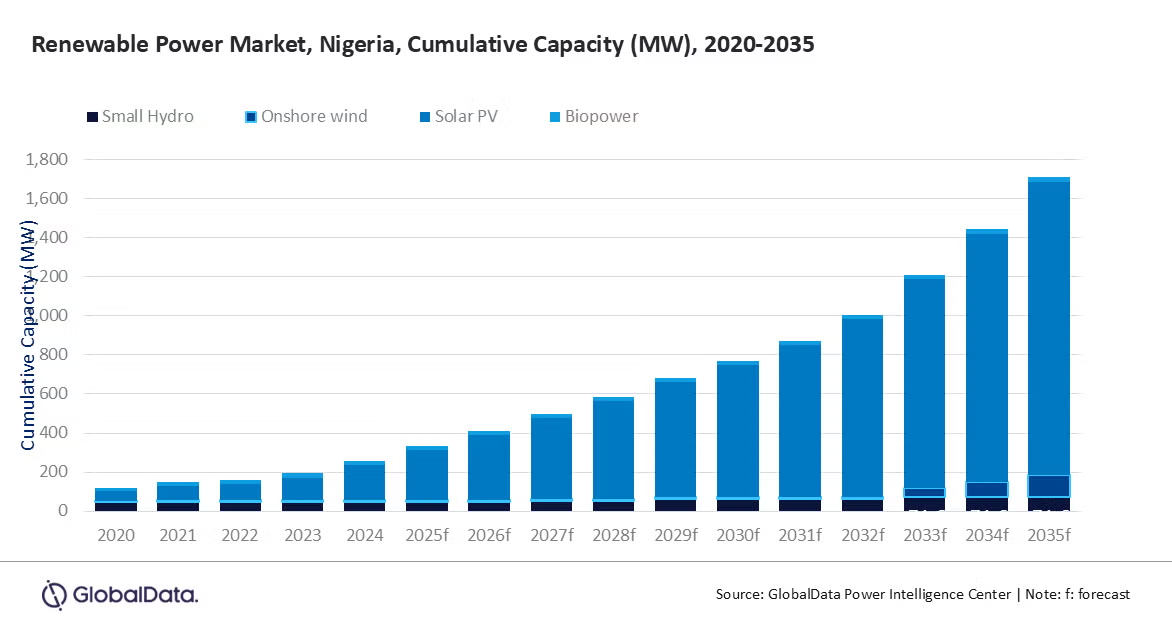
By 2035, the country’s renewable power capacity could reach 1.7GW, according to GlobalData, signalling a major pivot away from fossil-heavy reliance and toward cleaner, more stable energy.
Why This Matters
The country’s Renewable Energy Master Plan (REMP) outlines key targets for 2025: 2GW from small hydro, 500MW solar PV, 400MW biomass, and 40MW wind. These goals, if realised, could redefine Nigeria’s power landscape.
GlobalData forecasts an 18.9% annual growth rate for renewable capacity between 2024 and 2035, with total annual electricity generation expected to increase by 17.5% to reach 1.8TWh. Solar PV, in particular, is emerging as Nigeria’s most promising energy prospect.
Solar Power: The Rising Star
“The main driver for solar PV in Nigeria is energy poverty,” says Attaurrahman Ojindaram Saibasan, Senior Power Analyst at GlobalData. “People want power they can count on.”
Historically, Nigeria has leaned heavily on thermal power, thanks to abundant natural gas reserves. But ageing infrastructure and inconsistent fuel supply have left many generators idle. Following the privatisation of the power sector, weak enforcement of fuel agreements has made it tough to secure reliable contracts.
Energy Demand Outpaces Supply
Urbanisation is accelerating. More homes need power for fridges, fans, and lighting. Businesses in manufacturing, cement, and food processing are hungry for consistent electricity. Yet many still rely on petrol and diesel generators due to the national grid’s patchy performance.
This means actual energy demand is far greater than grid figures suggest. Without meaningful upgrades or decentralised alternatives, Nigeria risks falling further behind in electrification.
Innovation Sparks Growth
In recent years, Pay-As-You-Go (PAYG) financing and distributed solar power (DSP) have transformed how energy reaches off-grid and underserved areas. These systems allow families and businesses to install solar panels with minimal upfront cost—bringing clean power to places the grid cannot reach.
“DSPs in Nigeria possess considerable potential, bolstered by the country’s rich solar resources,” adds Saibasan. “The Rural Electrification Agency’s strategy—focused on market clusters, schools, hospitals, and mini-grids—is key to making solar widespread.”
What’s Next?
The shift to renewables isn’t just about green credentials—it’s a fight for economic stability, health, and growth. If Nigeria can scale up solar and strengthen its energy ecosystem, the benefits will ripple across households, businesses, and the broader economy.
“This is not about ambition. It’s about necessity,” says Saibasan. “Clean, reliable energy must become the norm—not the exception.”
What Do You Think?
Is your community embracing solar? Do you see opportunities or obstacles ahead for Nigeria’s energy shift? Share your thoughts in the comments or tag us with #SolarNigeria.