

Nigeria Issues Permits for Gas-Flaring Projects, Targets $2bn Investment and 3GW Power Potential
By Naija Enquirer Staff
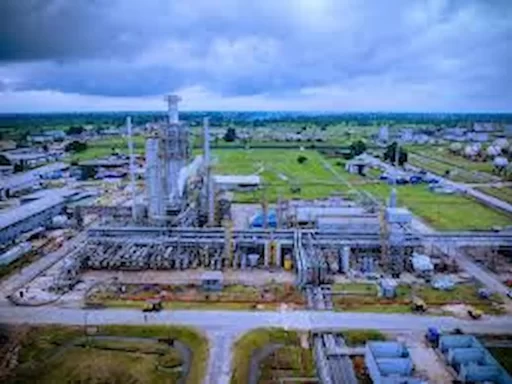
Nigeria has issued permits to 28 companies under the Nigerian Gas Flare Commercialisation Programme (NGFCP), marking a major step toward ending routine gas flaring, cutting carbon emissions, and converting wasted gas into economic value.
The permits were issued following a competitive bid round that awarded flare sites to qualified bidders after the programme was restructured in line with post-COVID-19 realities and the Petroleum Industry Act (PIA).
According to NGFCP officials, the approved projects could capture between 250 and 300 million standard cubic feet per day (mmscfd) of gas currently flared, reduce carbon dioxide emissions by about six million tonnes annually, and unlock nearly 3 gigawatts (GW) of power generation potential.
The initiative is expected to attract up to $2 billion in investment, create over 100,000 jobs, and produce approximately 170,000 metric tonnes of LPG annually, providing clean cooking access to about 1.4 million households.
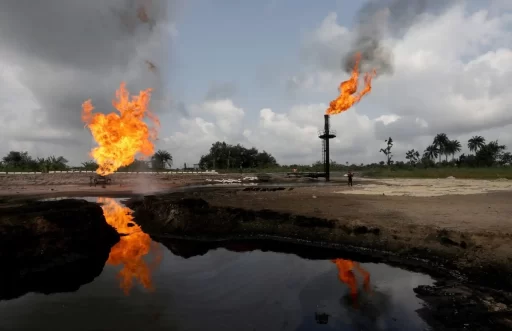
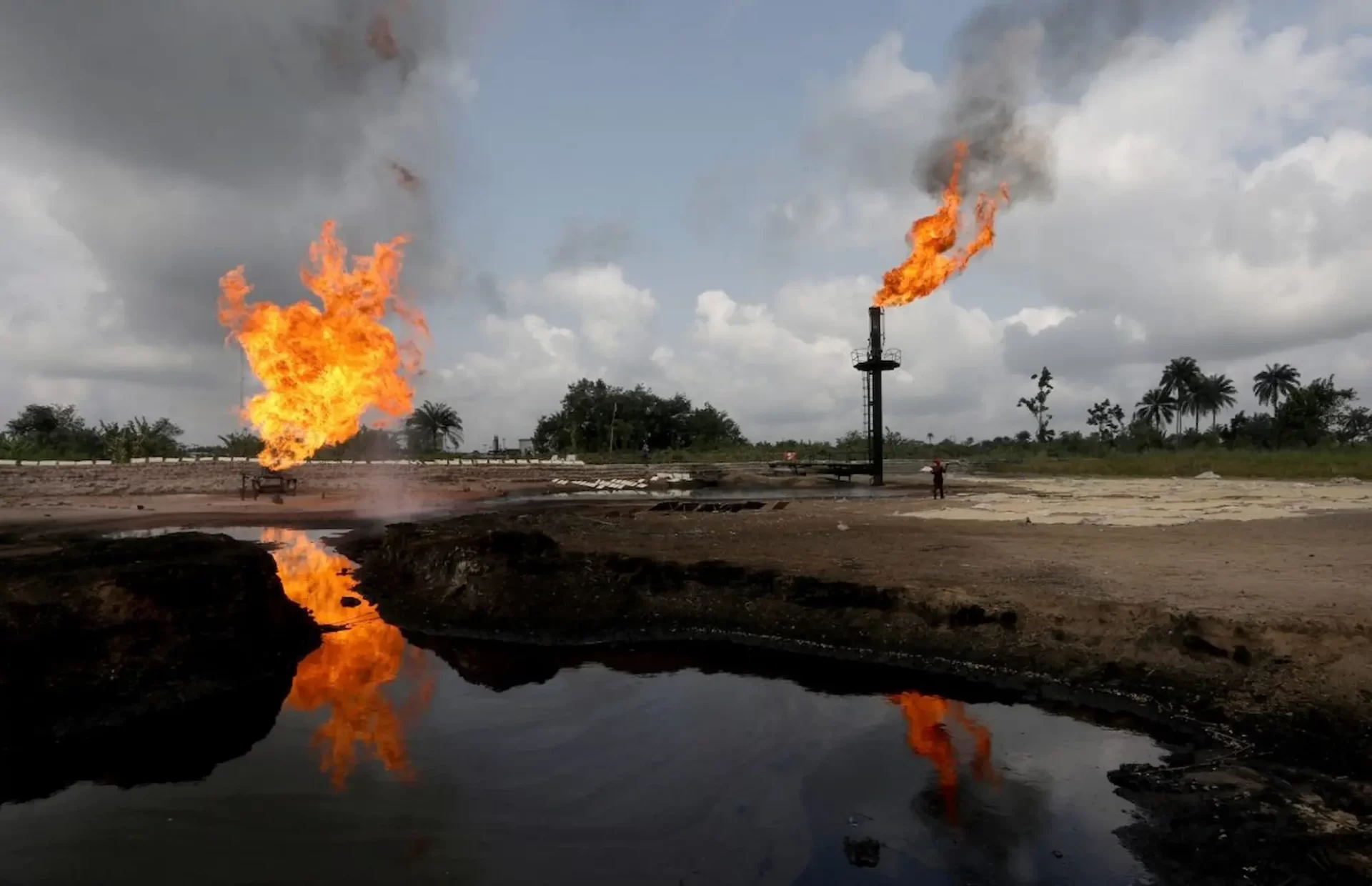
Gas flaring, the controlled burning of natural gas released during oil production, has long been a major environmental and economic challenge for Nigeria. The NGFCP seeks to eliminate this practice by monetising flare gas for power generation, cooking gas, and industrial use.
The Chief Executive of the Nigerian Upstream Petroleum Regulatory Commission (NUPRC), Gbenga Komolafe, presented the permits to the successful companies, describing the programme as central to Nigeria’s energy transition strategy.
An NGFCP official said: “The NGFCP is a pillar in our quest to eliminate routine flaring, reduce emissions, and enhance Nigeria’s global credibility in energy transition commitments.”
The 28 companies have executed key agreements, including Connection Agreements, Milestone Development Agreements, and Gas Sales Agreements, qualifying them to access and commercialise flare gas.
Producers are expected to benefit from reduced environmental liabilities, improved ESG performance, and alignment with Nigeria’s decarbonisation agenda, while the country strengthens its domestic energy supply.
Development partners such as Power Africa, KPMG, the World Bank’s Global Gas Flaring Reduction initiative, USAID, and other financiers have supported the programme through technical and commercial frameworks.
While the issuance of permits represents a significant milestone, officials stressed that project execution must now accelerate.
“The real work starts now,” an NGFCP official said. “Engineering, construction, and financing must proceed in earnest to deliver the economic, industrial, and environmental benefits of this programme.”