

Nigeria Leads Investments As Africa Set To Become 2026 World’s Most High Impact Oil/Gas Drilling Region
By Naija Enquirer Staff
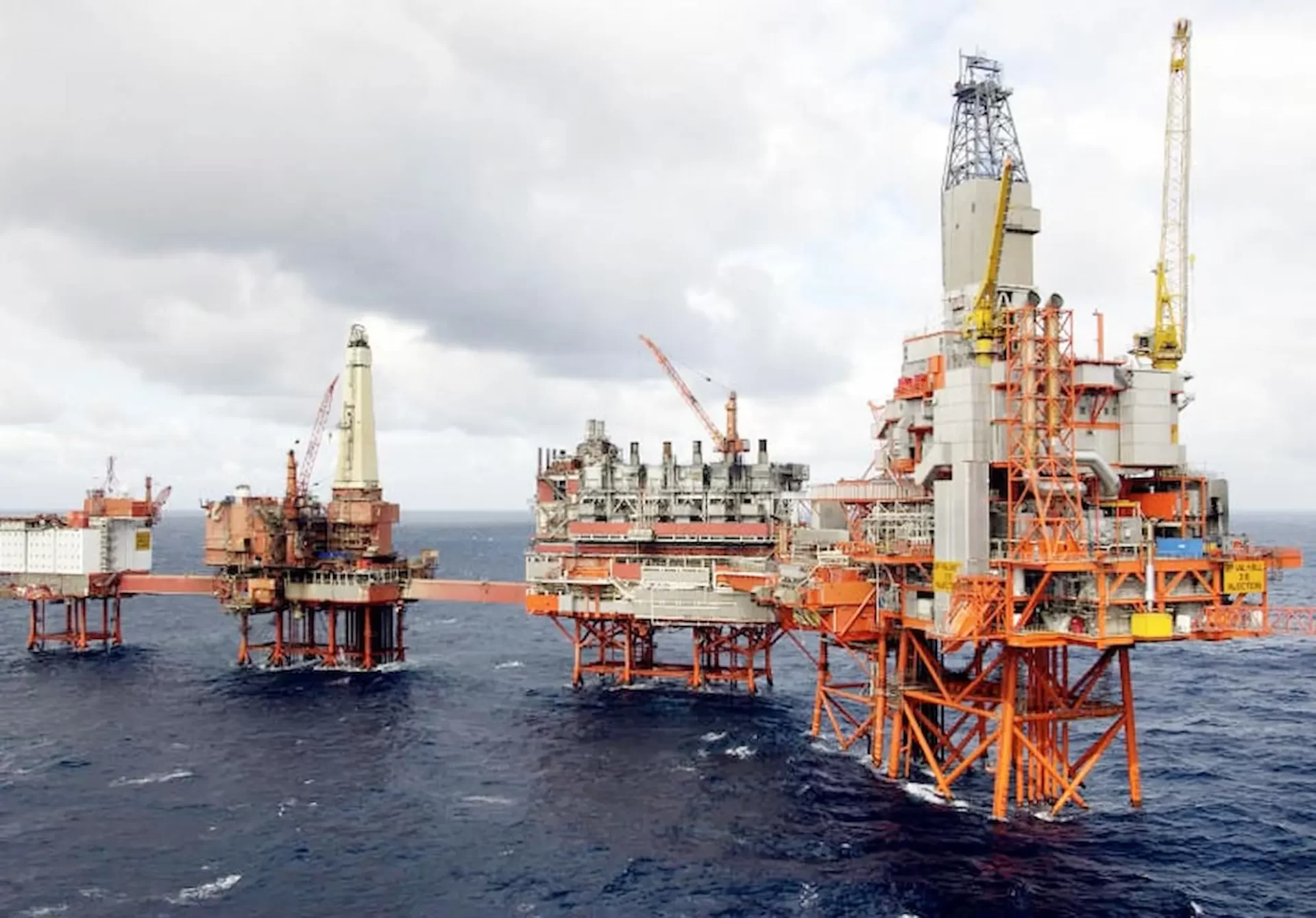
Africa is projected to remain the world’s most active region for high-impact oil and gas exploration drilling in 2026, driven by continued interest in ultra-deepwater and frontier basins, according to new analysis by Rystad Energy.
Nigeria is positioned to lead the continent’s investment surge, contributing about $41 billion to the projected $504 billion global Exploration and Production (E&P) capital expenditure (CAPEX) by 2026, supported by a growing pipeline of offshore and deepwater projects.
According to the State of African Energy 2026 Outlook Report issued by the African Energy Chamber (AEC), Africa’s contribution will be driven mainly by offshore prospects in Nigeria, Mozambique and Angola.
The report further projects that Africa’s oil and gas production will reach 11.4 million barrels of oil equivalent per day (MMboe/d) by 2026, with Nigeria at the forefront in terms of remaining recoverable resources, largely concentrated in the Niger Delta region.
Rystad Energy’s global research reveals that high-impact wildcat drilling activity maintained strong momentum into 2025, with discovery success rates rising to 38 per cent from 23 per cent in 2024. Total discovered volumes increased by 53 per cent year-on-year to approximately 2.3 billion barrels of oil equivalent (boe), reflecting renewed appetite for large-scale exploration opportunities.
Looking ahead to 2026, Rystad identifies 42 planned high-impact exploration wells worldwide, with Africa accounting for nearly 40 per cent of the total. Activity is expected to concentrate along the Atlantic margin, particularly in the Orange Basin offshore southern Africa and across the Gulf of Guinea in West Africa.
Ultra-deepwater prospects are projected to dominate the 2026 outlook, representing about 60 per cent of planned high-impact wells. Major international oil companies are expected to lead drilling activity, followed by national oil companies and international NOCs.
Most of the planned wells will target frontier regions, while a smaller share will explore emerging plays or extend existing basins with the potential to develop into major production hubs.
Outside Africa, Asia is forecast to host eight high-impact wells, led by Indonesia, alongside activity in India and Malaysia. Although Asia has recorded nearly 18 billion boe of conventional discoveries over the past decade, recent volumes have been concentrated in mature offshore regions, limiting opportunities for major new finds.
In contrast, exploration in North America continues to lag, with discoveries largely confined to mature basins in the U.S. Gulf of America, reflecting restricted access to frontier acreage and limited upside potential.
Rystad’s outlook suggests that despite higher capital intensity, operators are increasingly prioritising frontier and ultra-deepwater exploration in Africa, where geological potential, scale, and long-term strategic value remain highly attractive amid tightening global energy supply.