

Nigeria’s 2026 Economic Outlook Improves, but Oil, FX and Policy Risks Persist — PwC
By Naija Enquirer Staffk
Nigeria’s economic outlook for 2026 shows improving stability and renewed business confidence, but experts at PricewaterhouseCoopers (PwC) caution that progress remains fragile amid oil volatility, foreign exchange pressures, fiscal risks, and security challenges.
The assessment emerged during the PwC and BusinessDay Executive Roundtable on Nigeria’s 2026 Budget and Economic Outlook in Lagos. The roundtable, themed “Nigeria’s Economic Outlook 2026: The Executive Playbook for Growth, Resilience, and Efficiency,” attracted business leaders and policymakers.
Sam Ado, Regional Senior Partner at PwC West Africa, explained that executives are now operating with “two lenses”: a microscope for immediate risks such as geopolitics, cyber threats, and global instability, and a telescope for long-term opportunities driven by technology, artificial intelligence, and innovation.
On the macroeconomic front, Ado pointed to easing inflation at 14.45 per cent, a stronger naira at around N1,436 to the dollar, and foreign exchange reserves exceeding $45 billion. He noted that these indicators reflect disciplined monetary policy and improved economic stability.
However, Ado warned that stability is only a platform for sustainable growth, not a victory in itself. PwC’s 29th Global CEO Survey (Nigeria perspective) indicates rising confidence among business leaders, with 90 per cent expecting economic improvement in 2026, up from 64 per cent the previous year.
Despite optimism, fiscal risks remain significant. Debt servicing is projected to absorb about 45 per cent of federal revenue, and the fiscal deficit is estimated at N24 trillion. Ado identified four key business priorities for 2026: strategic reinvention; technology, data, and AI adoption; cybersecurity and trust; and sustainability and peace.
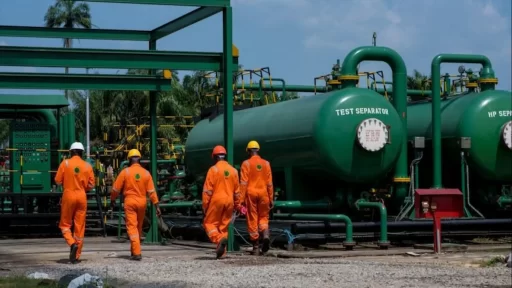
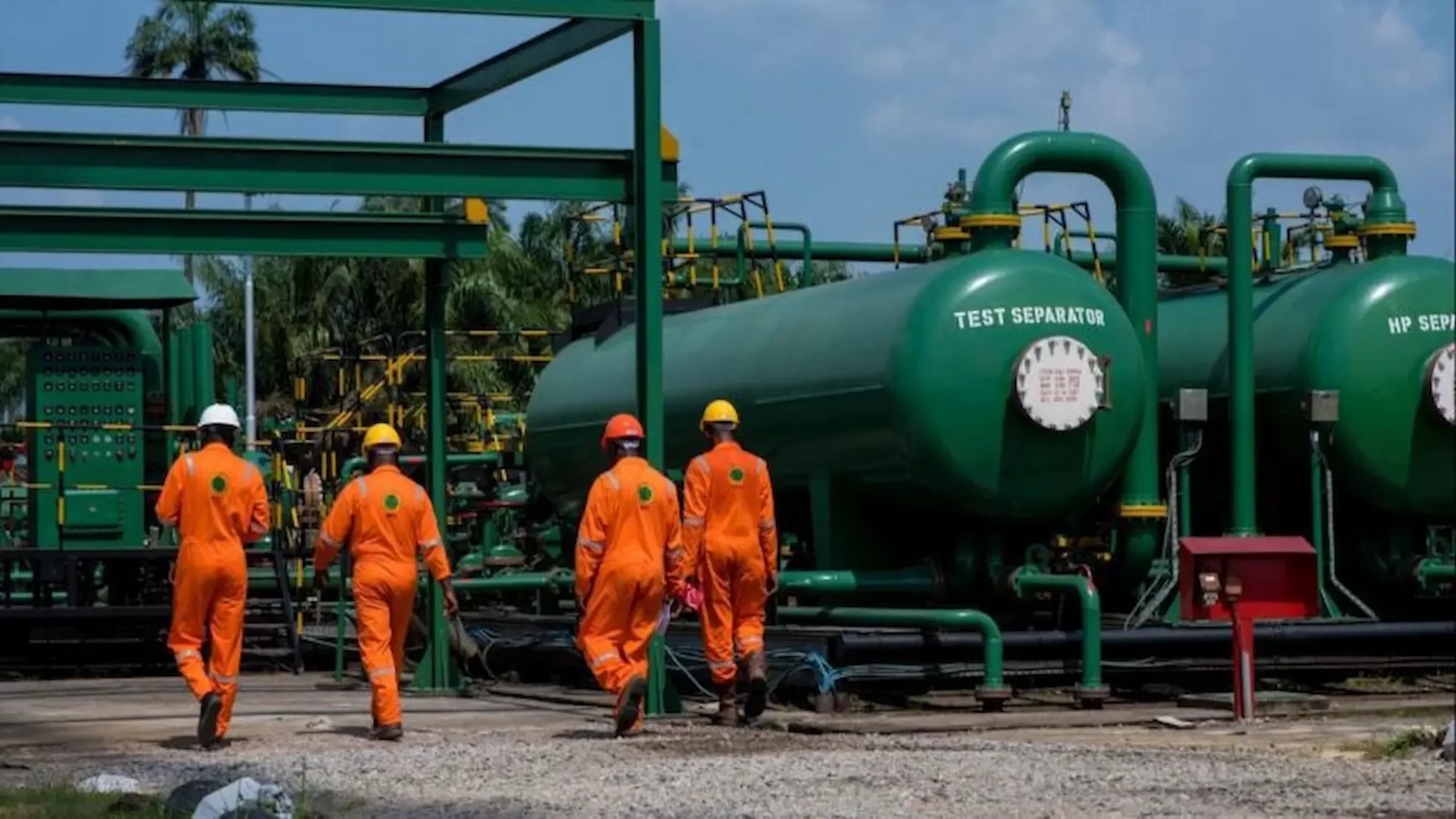
Olusegun Zaccheaus, Partner and Chief Economist at PwC West Africa, highlighted persistent security risks and noted that consumer recovery would lag broader economic growth. He warned that Nigeria remains exposed to oil production disruptions, FX shocks, and geopolitical trade tensions.
On fiscal sustainability, Kenneth Erikume, PwC Partner and Tax Reporting Leader, noted that public debt is estimated at N152 trillion. He stressed that stronger revenue mobilisation through improved tax administration and technology is critical to ensure continued fiscal stability and economic momentum.
BusinessDay Publisher, Frank Aigbogun, emphasised the role of business leadership in national development, stating that improved tax compliance and civic engagement are essential to financing Nigeria’s infrastructure needs and sustaining growth.
Overall, PwC sees a cautiously positive 2026 for Nigeria, contingent on stable oil output, effective FX management, and responsive fiscal and policy measures.