


Nigeria’s Electricity Shortages Threaten Business Competitiveness — Lagos Country Club
By Naija Enquirer Staff
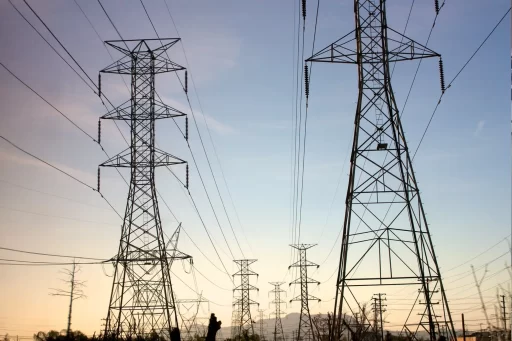
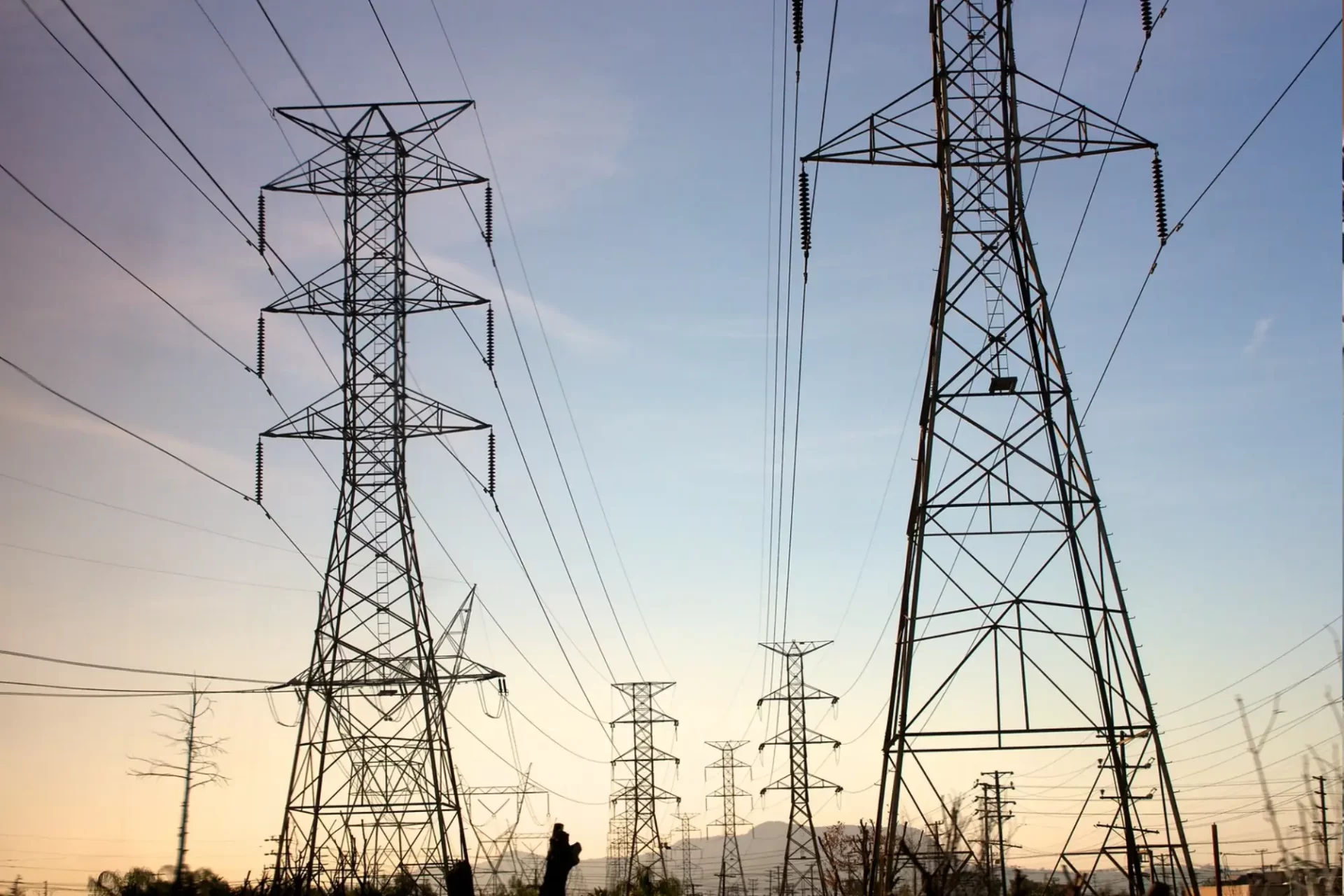
The Lagos Country Club (LCC) has raised alarm over Nigeria’s decades-long power shortages, warning that businesses are suffering an “electricity drought” that is eroding productivity, competitiveness, and consumer purchasing power.
Speaking at the LCC Business Forum 2.0 in Lagos with the theme “Inflation, Cost of Living and Consumer Purchasing Power: Adaptive Strategies for Nigerians”, the Club urged the private sector to deepen local investments and challenged the government to fix structural deficiencies such as chronic power outages and high energy tariffs.
The LCC also called on industry players to emulate Dangote Industries’ investment model, describing it as a pathway to stability amid inflationary pressures.
Private Sector Driving Stability — Dele Oye
Chairman of the Alliance for Economic Research and Ethics, Dele Oye, said the private sector—not government policy—has been the backbone of Nigeria’s recent economic resilience.
He warned that poor electricity, harsh policies, and decaying infrastructure are suffocating businesses. “If you don’t talk, one day you won’t be able to pay your membership,” he cautioned.
Oye insisted that current policy prescriptions are unsuitable for Nigeria’s economic structure. “We are using something prescribed for the white man’s land to run an African sector. That is why the result does not respond,” he said.
He noted that the Central Bank’s interest-rate tightening is hurting producers more than consumers. “What business can you do that you pay 33% interest and declare profit? It is not possible.”
‘The Key Is Power’ — Economist Paul Alaje
Chief Economist at SPM Professionals, Dr. Paul Alaje, stressed that Nigeria must prioritise supply-side reforms to tame inflation sustainably.
“Nigeria can do what Germany, America, and China did by getting power right. No matter what we do, if energy is not there, we cannot address inflation in the long term,” he said.
Alaje added that insecurity, food price distortions, and structural inefficiencies continue to fuel inflation. He described most of Nigeria’s current inflation as “man-made.”
LCC Calls for Stronger Private Sector Voice
President of the Lagos Country Club, Seyi Adewunmi, said the forum aims to help members build resilience and enhance competitiveness amid harsh economic conditions.
He emphasized that inflation is not an abstract statistic but a daily struggle for families and small businesses. “Behind every inflation index is a family striving to stretch its income,” he noted.
Adewunmi urged companies to embrace industrial investment, backward integration, and bold engagement with policymakers to address inflation and structural barriers.
The event attracted economists, policymakers, and business leaders who examined Nigeria’s inflation drivers and proposed strategies for stabilising consumer purchasing power.
Adewunmi concluded that the Lagos Country Club would continue convening platforms that promote national development, accountability, and practical economic guidance.