


Nigeria’s Gas Commercialization Initiative Targets Over 100,000 Job Opportunities
By Naija Enquirer Staff
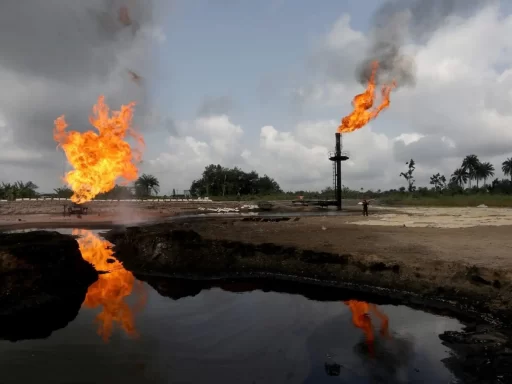
Over 100,000 direct and indirect job opportunities are expected to be created through the Nigerian Gas Flare Commercialization Programme (NGFCP) following the issuance of permits to 42 companies under the Access Flare Gas initiative.
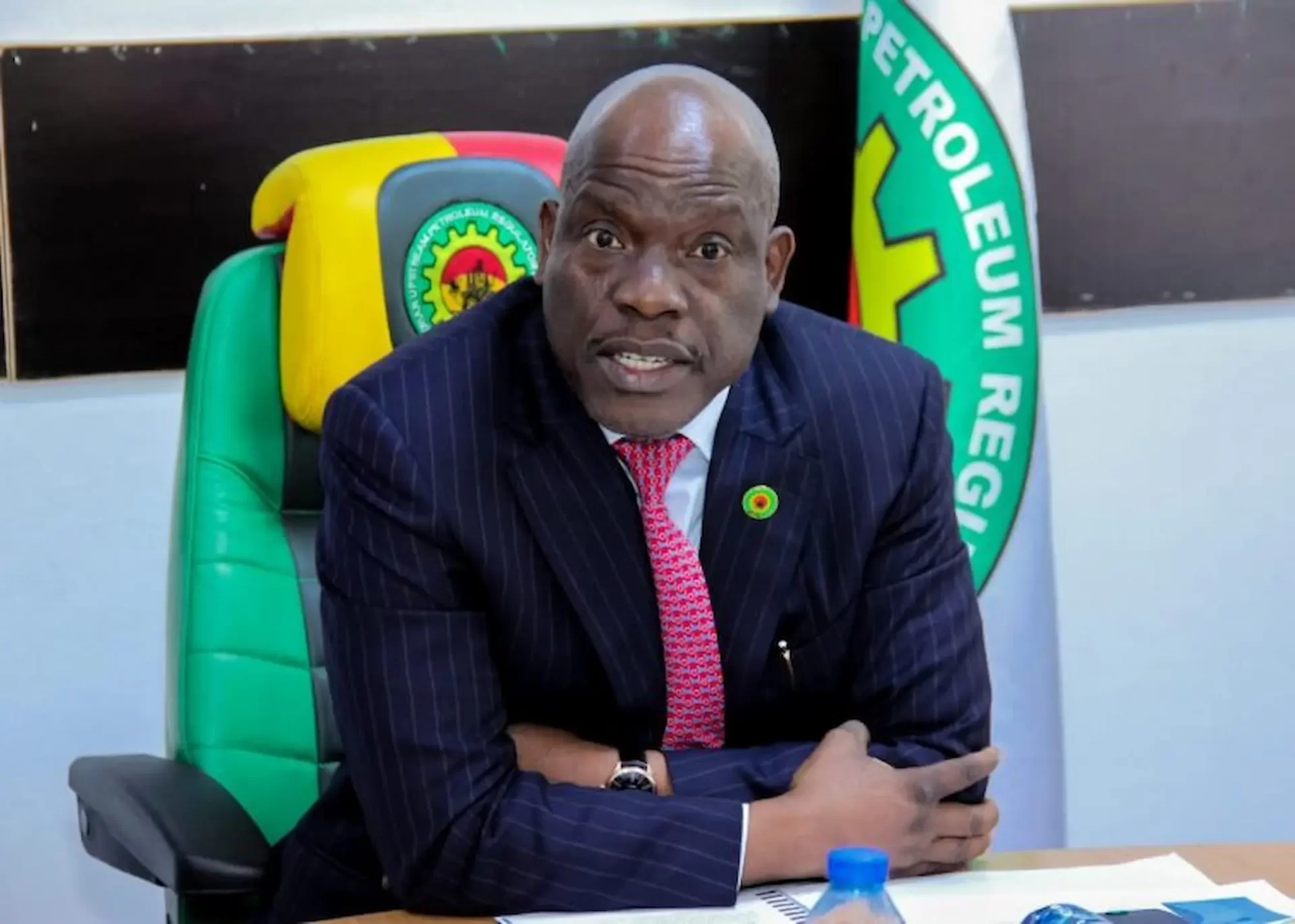
The Chief Executive of the Nigerian Upstream Petroleum Regulatory Commission (NUPRC), Gbenga Komolafe, disclosed this during the Permit to Access Flare Gas ceremony for the 2022 NGFCP cycle held on Friday in Abuja.
Komolafe explained that the programme would also produce approximately 170,000 metric tonnes of liquefied petroleum gas (LPG) annually, providing clean cooking energy for about 1.4 million households, while unlocking nearly 3 gigawatts of power generation capacity.
According to him, 49 flare sites were auctioned under the programme, with 42 successful bidders now positioned to capture and commercialise between 250 and 300 million standard cubic feet of gas per day that is currently flared.
“A total of 49 flare sites have been auctioned. Forty-two bidders have been awarded the sites. Between 250 and 300 million standard cubic feet of currently flared gas will be captured and commercialised, eliminating approximately six million tonnes of carbon dioxide annually,” Komolafe said.
He added that the initiative is expected to attract up to $2 billion in investment, generate extensive employment opportunities, and significantly reduce Nigeria’s carbon footprint.
“More than 100,000 direct and indirect jobs will be created. About 170,000 metric tonnes of LPG will be produced annually, enabling clean energy access for approximately 1.4 million households. Nearly 3GW of power generation potential will also be unlocked,” he stated.
Komolafe further revealed that an NGFCP Forum and College of Awardees has been established to support project implementation, collaboration and knowledge sharing among stakeholders.
“We have also deepened engagement with international financiers and technology partners, while Nigeria’s leadership in practical upstream decarbonisation continues to gain global recognition,” he said.
However, he cautioned that the issuance of permits marked only the beginning of the process, stressing that the programme’s success would depend on disciplined and sustained project execution.
“The Permit to Access Flare Gas is a critical step forward, but it is not the final destination. The value of this programme will be realised only through consistent execution. The Commission will closely monitor progress while providing the necessary regulatory support,” Komolafe said.
The Nigerian Gas Flare Commercialisation Programme was launched by the Federal Government to address the long-standing issue of routine gas flaring in oil-producing regions, while converting wasted gas into economic, environmental and social value.