


Nigeria’s Grid Instability Persists in Q1 2025, NERC Report Reveals
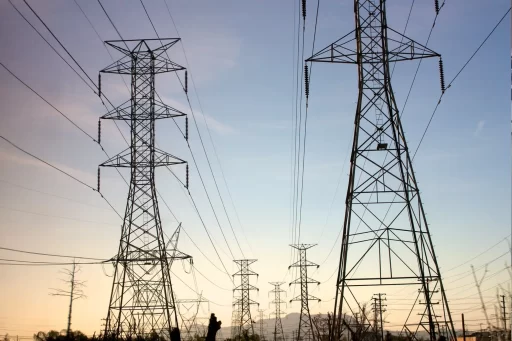
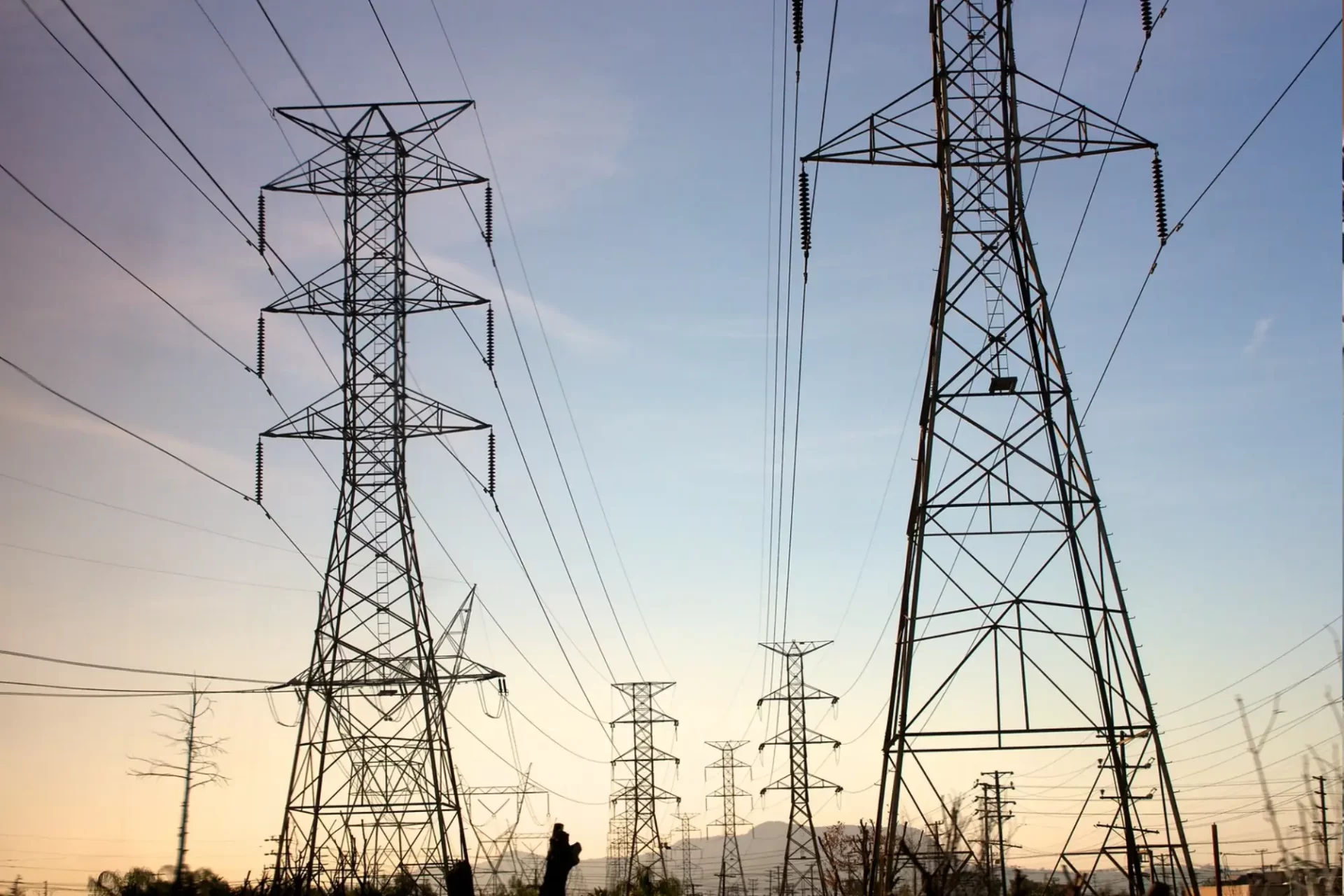
The national electricity grid continued to suffer from frequency and voltage instability during Q1 2025, according to the latest quarterly report by the Nigerian Electricity Regulatory Commission (NERC). The report warns that the ongoing fluctuations threaten power reliability and industrial productivity nationwide.
Grid data for the quarter revealed that the average lower daily frequency was 49.28Hz and the upper daily frequency reached 50.77Hz—both breaching the operating band of 49.75Hz to 50.25Hz set by Nigeria’s grid code. While still within emergency thresholds (48.75Hz–51.25Hz), the readings reflect continued stress on the transmission system.
Voltage Swings Highlight Transmission Weakness
The situation was equally concerning on the voltage side. NERC reported that the average lower daily voltage stood at 296.56kV, while the upper daily voltage peaked at 346.82kV—falling outside the permissible bounds of 313.50kV to 346.50kV.
Such instability increases the risk of equipment failure, blackouts, and reduced grid efficiency, particularly affecting industrial operations that require steady voltage and frequency levels.
Regulators Push for Action
NERC noted that it has continued to pressure the System Operator (SO) to address these lapses. “The Commission continues to push the SO to improve its system,” the report stated. NERC emphasised the urgent need for enhanced system discipline and real-time monitoring to prevent further degradation.
Despite past interventions, the national grid remains vulnerable to frequency excursions and voltage fluctuations, particularly during periods of sudden load changes.
Experts Cite Automation and Reserves as Key Gaps
Industry stakeholders say the root causes lie in poor infrastructure, limited automation, and insufficient spinning reserves. Dr. Fyneface Dumnamene, Executive Director at YEAC-Nigeria, stressed the broader economic implications.
“Grid instability has also impacted investment sentiment in the sector. Without a stable transmission backbone, private investors in generation and distribution are unable to realise returns or expand operations,” he said.
Dr. Dumnamene urged accelerated deployment of smart grid technologies, battery storage, load forecasting tools, and stronger contingency planning.