


Nigeria’s New Solar Panel Factory to Cut Imports, Boost Clean Energy
By NaijaEnquirer Staff
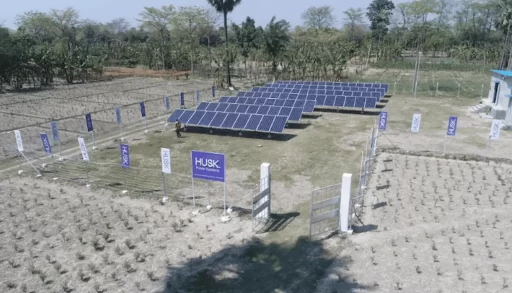
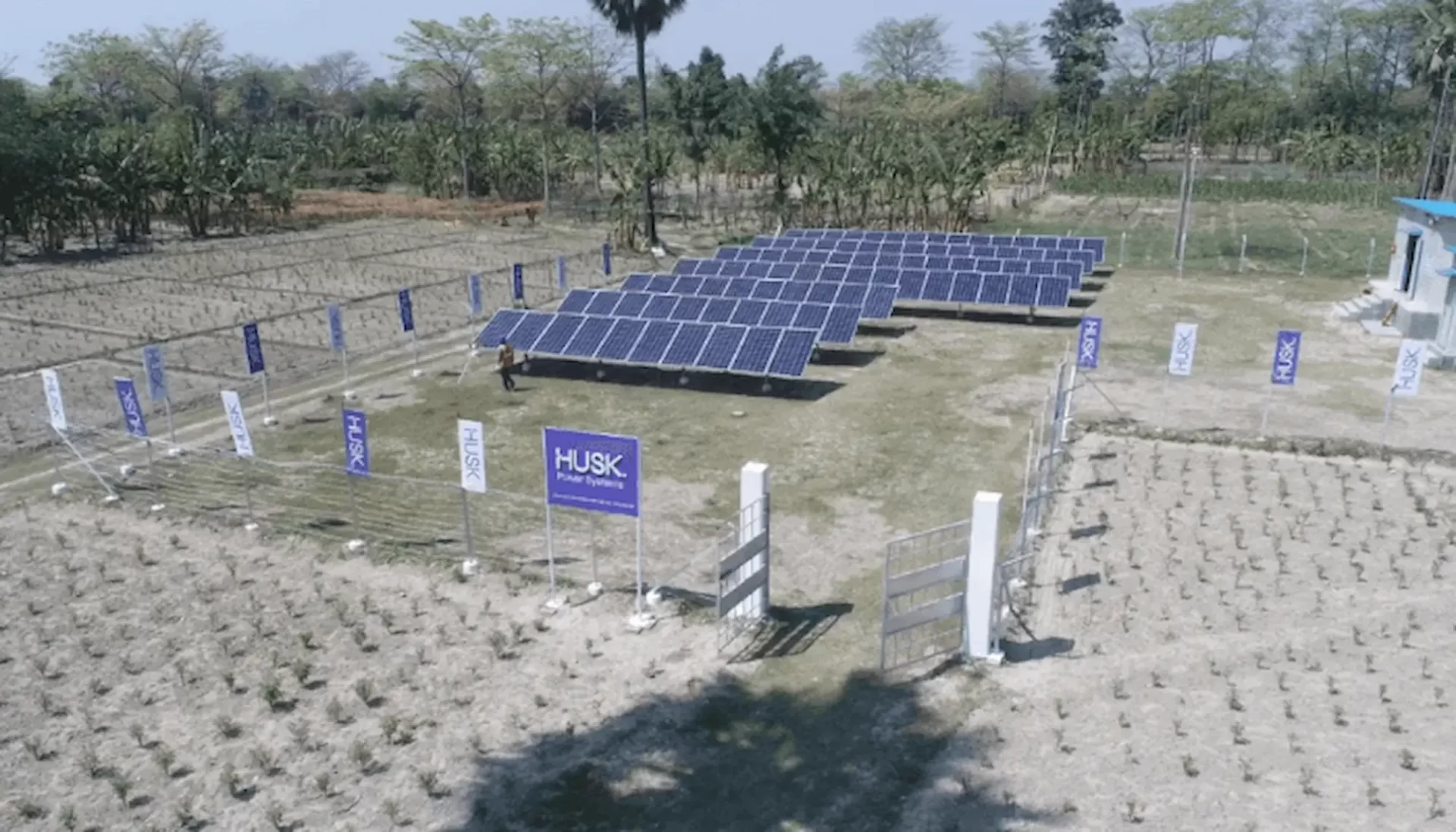
Nigeria has launched its first large-scale solar panel manufacturing factory, a joint venture designed to produce two million units annually, reduce import dependence, and accelerate electrification in Africa’s most populous nation.
Ambitious Renewable Energy Drive
The project, unveiled on September 17 by the Rural Electrification Agency (REA), state-backed InfraCorp, and Dutch partner Solarge BV, aims to add one gigawatt of renewable energy capacity each year. At full output, the plant will manufacture around 5,500 panels per day, each with an average capacity of 500 watts.
This is enough to supply electricity to more than 1.5 million households annually. The REA has committed to procuring at least 200 megawatts annually for five years, ensuring consistent demand for the factory’s products.
Reducing Reliance on Imports
Nigeria’s solar market is growing rapidly but remains heavily reliant on imports from China and Turkey. In 2024 alone, the country imported over 1,721 megawatts of panels, making it Africa’s second-largest buyer after South Africa. Local industry estimates valued solar modules and accessories at over $600 million that year, with projected growth of up to 20 percent annually.
The factory is expected to lower costs for developers by cutting shipping expenses and mitigating currency risks, while reducing Nigeria’s heavy reliance on foreign supply chains.
Job Creation and Local Content
The new facility will create an estimated 1,000 to 2,000 direct jobs and additional employment opportunities in metal fabrication, logistics, and packaging. Local content rules require that at least 50 percent of goods and labor be sourced from Nigerian firms within three years, giving small and medium enterprises access to opportunities in a market long dominated by imports.
Climate and Energy Security Benefits
Replacing diesel generation with solar could save up to 2 million tonnes of carbon dioxide annually — the equivalent of taking 300,000 cars off the road. Solarge’s recyclable thermoplastic technology also cuts lifecycle emissions by half compared with conventional silicon panels, adding a climate-friendly dimension to Nigeria’s industrial push.
Balancing Industrial Goals and Supply Realities
While the new factory signals Nigeria’s intent to become a regional solar hub, analysts caution against abrupt curbs on imports. According to PricewaterhouseCoopers, an immediate ban could “leave millions in the dark.” The firm recommends a phased transition over three to five years, combining quotas, tariffs, and procurement support to gradually localize production without disrupting supply.
For now, the factory represents a milestone in Nigeria’s energy transition, but success will depend on balancing industrial ambitions with the realities of a still import-dependent solar market.