

Nigeria’s Power Grid Under Strain as December Generation Slips
By Naija Enquirer Staff
Nigeria ended 2025 with its electricity system under renewed pressure, as fresh data from the Nigerian Electricity Regulatory Commission (NERC) showed a decline in power generation and persistent instability on the national grid, even as regulators held consultations aimed at tightening operational rules.
A fact sheet released by NERC on the operational performance of grid-connected power plants for December paints a picture of a system struggling to meet demand during one of the country’s busiest months.
Fewer Power Plants Available
According to the regulator, Nigeria’s power plants operated at a Plant Availability Factor of just 38 per cent in December. This means that fewer than four out of every ten megawatts of installed capacity were available to generate electricity during the month.
The figure represents a further decline from November, pointing to worsening constraints rather than improvement. Industry analysts attribute the trend to long-standing challenges such as gas supply shortages, ageing infrastructure, delayed maintenance, and technical faults at power stations.
Even among available plants, capacity weakened. An average of 5,151 megawatts was ready for dispatch to the grid in December, representing a seven per cent drop from the previous month.
Less Electricity During Peak Demand
Actual power generation was lower still. NERC reported that Nigeria produced an average of 4,367 megawatts per hour in December, also seven per cent below November’s level.
Although about 85 per cent of available capacity was utilised—unchanged from the previous month—the decline in overall generation meant Nigerians had less electricity during a period typically marked by higher consumption driven by holidays, travel, and commercial activity.
For households and businesses, the impact was immediate. Reduced supply translated into longer blackouts, increased load shedding by distribution companies, and heavier reliance on diesel and petrol generators, further raising living costs amid persistent inflation.
An Unstable National Grid
Beyond reduced generation, the report highlighted persistent grid instability. NERC said voltage and frequency levels on the national grid repeatedly exceeded prescribed limits throughout December.
Voltage levels fluctuated outside approved thresholds, while grid frequency dipped as low as 49.14 hertz and rose as high as 50.63 hertz, breaching the safe operating range.
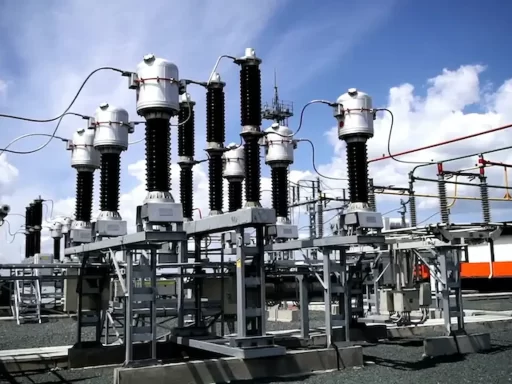
Such deviations increase the risk of equipment damage, plant trips, and widespread outages. To prevent system collapse, grid operators are often forced to deliberately shed load, even when electricity is available.
Regional Impact Beyond Nigeria
Nigeria’s electricity challenges extend beyond its borders. The country supplies power to neighbouring states including Niger, Benin, and Togo under regional agreements within the West African Power Pool.
When domestic generation declines and grid instability worsens, export supplies are typically curtailed first. Although NERC did not provide export figures, energy experts saynigeria’s regional partners are likely to have experienced disruptions in December.
Persistent underperformance also undermines Nigeria’s ambition to position itself as a reliable regional power hub and limits potential revenue from electricity exports.
Regulators Move to Update Grid Rules
In response, NERC recently convened a stakeholders’ meeting in Abuja to finalise revisions to the Grid Code and the Nigerian Electricity Supply and Installation Standards Regulations.
Speaking at the session, NERC Vice Chairman Dr Yusuf Ali said the revised rules are critical to guiding the operations of the Nigerian Independent System Operator, which is responsible for balancing supply and demand and maintaining grid stability.
The timing underscores growing concerns that existing regulations may no longer be sufficient, particularly following the emergence of state-level electricity regulators.
Public Frustration Over Power Supply
Public reaction to the situation has been increasingly critical. Energy analyst Dr Aronu Kwesi Charles questioned the effectiveness of repeated stakeholder consultations, noting that electricity supply and infrastructure development have shown little improvement, especially in parts of the South-East.
Others have raised concerns about billing practices. One consumer accused the Port Harcourt Electricity Distribution Company of overbilling beyond NERC’s monthly cap, describing the practice as exploitative.
While NERC’s report focused on generation and grid performance, the downstream impact is clear: falling supply combined with high estimated bills has deepened public distrust in the power sector.
A Fragile System Still Under Pressure
Taken together, December’s performance data, regulatory consultations, and public reaction highlight a persistent gap between policy intent and consumer experience.
Nigeria’s electricity challenge extends beyond building new power plants. It requires sustained fuel supply, improved maintenance of existing assets, stronger transmission infrastructure, and enforceable technical standards to stabilise the grid.
As regulators move to update codes and standards, many Nigerians remain sceptical, waiting to see whether reforms will finally deliver reliable electricity.
For now, December’s figures underscore a hard reality: despite policy momentum, Nigeria’s power system remains fragile, with consequences felt both domestically and across the region.