


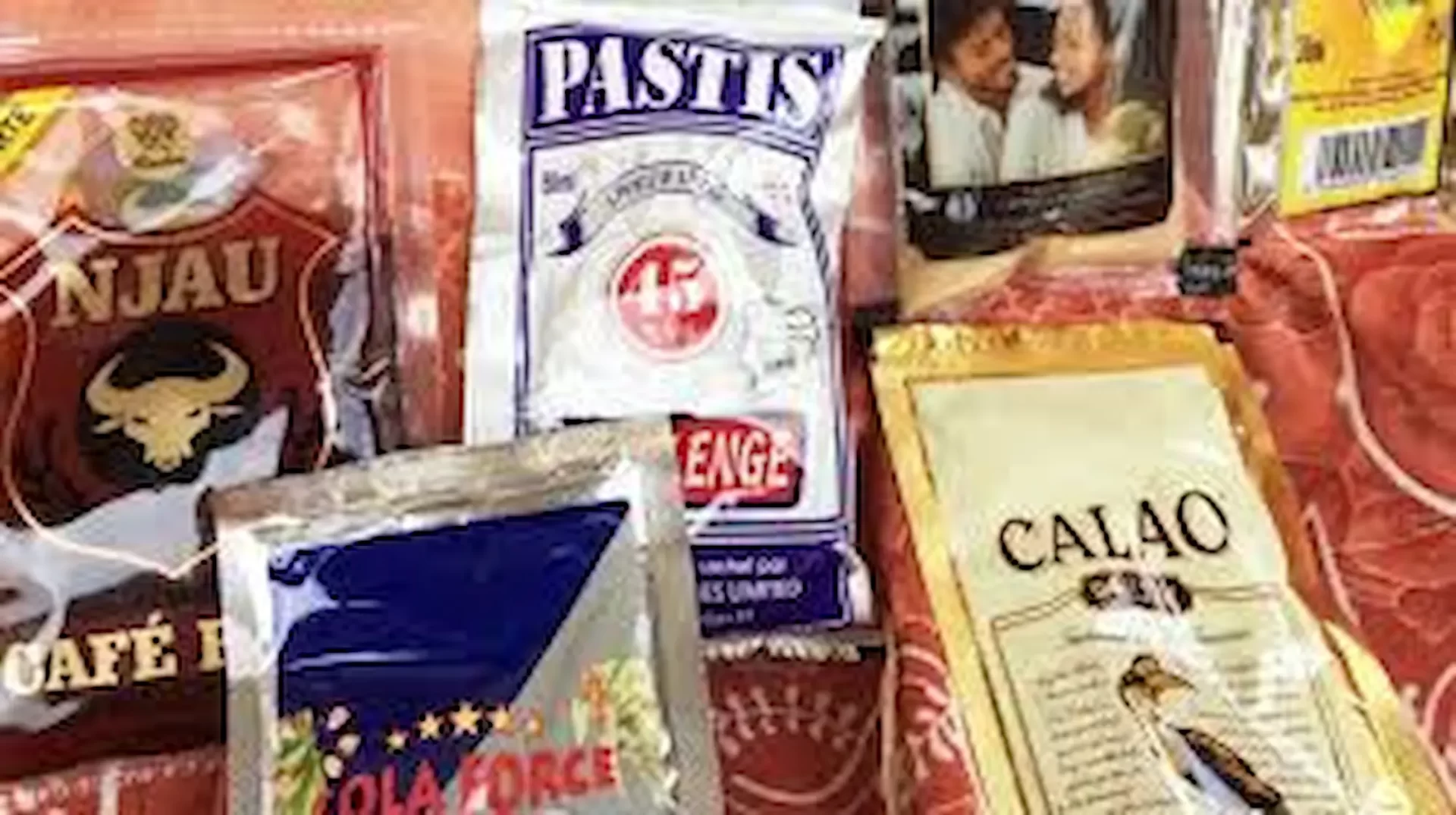
Nigeria’s Sachet Alcohol Ban: Jobs, Child Safety and a Policy Years in the Making

Nigeria’s ban on sachet alcohol has sparked protests and industry backlash, but regulators insist the policy was agreed years ago to protect children and public health.

Nigeria’s Sachet Alcohol Ban: Jobs, Child Safety and a Policy Years in the Making

By Naija Enquirer Staff

Nigeria’s decision to enforce a ban on alcohol sold in sachets and small plastic bottles has triggered protests by labour unions and industry groups, who warn of massive job losses and economic disruption. However, regulators insist the policy is neither sudden nor anti-business, arguing that manufacturers had five years’ notice and formally agreed to phase out the products due to rising concerns about underage drinking and public health risks.


Protests and Fears Over Livelihoods

Outside the Lagos office of the National Agency for Food and Drug Administration and Control (NAFDAC), protesters accused the agency of acting without adequate consultation, saying the policy threatens millions of livelihoods across the alcohol value chain. Unions estimate that as many as 5.5 million people — including factory workers, distributors and informal vendors — could be affected. “This sector feeds families,” said Declan Ihekaire, speaking on behalf of civil society groups backing the protests. “You cannot wake up and shut it down without considering the social consequences.”

‘This Was Agreed in 2018’ — NAFDAC

NAFDAC has rejected claims of a sudden policy shift. In a February interview, the agency’s Director-General, Prof. Mojisola Adeyeye, said manufacturers signed an agreement in December 2018 committing to a five-year phase-out of sachet alcohol and small plastic bottles under 200 millilitres. “At the end of those meetings, there was a document that was generated and signed,” she said. “The agreement was that by the end of January 2024, sachet alcohol would no longer be produced.” According to Prof. Adeyeye, the agreement was co-signed by the Ministry of Trade and the Federal Competition and Consumer Protection Commission (FCCPC), following consultations with industry associations, including distillers. “We gave a five-year notice,” she said. “If that information was not properly disseminated within the associations, that is not NAFDAC’s fault.”

Why Sachets, Not All Alcohol?

NAFDAC insists the policy is targeted — not a blanket ban on alcohol — and is driven primarily by child protection concerns. Prof. Adeyeye said sachet packaging allows alcohol to be easily concealed by schoolchildren, making enforcement difficult. “Children in primary and secondary schools are drinking alcohol in sachets or less than 200ml bottles because they can hide them in their pockets,” she said. She added that school principals had reported confiscating multiple sachets from pupils during school hours. “Sometimes, a child may consume up to six or seven in a day,” she said.

Alcohol Strength and Health Risks

NAFDAC also points to the alcohol concentration of sachet products, which it says can reach up to 30 percent alcohol by volume — several times stronger than beer, which typically contains between 4 and 8 percent. “The issue is not trade,” Prof. Adeyeye said. “We did not ban alcohol in bigger containers. These particular packages are dangerous because of how easily they can be abused by children.” She warned that early exposure to alcohol increases the likelihood of substance abuse later in life and is linked to more than 200 diseases, including liver damage and various cancers. “Which one do we want?” she asked. “Money, or our children?”

Industry Pushback

Industry unions dispute aspects of NAFDAC’s claims, arguing that licensed distilleries operate within regulated alcohol limits and that stronger enforcement, rather than outright prohibition, should have been prioritised. They also contend that sachet alcohol serves low-income consumers, similar to sachet water, and that the ban disproportionately affects the poor. However, NAFDAC maintains it is merely enforcing an agreement already reached. “NAFDAC is business-friendly,” Prof. Adeyeye said, pointing to policies aimed at encouraging local manufacturing. “We do not distinguish between companies. We regulate for safety.”

A Wider Policy Test

Analysts say the standoff reflects a broader challenge in Nigeria — balancing public health priorities with economic survival amid high unemployment and inflation. Although lawmakers have proposed extending the total ban to 2025, ongoing protests suggest the issue remains far from settled. For now, the sachet alcohol controversy has become a critical test of trust between regulators and industry, and between public health goals and economic realities.