



Nigeria’s Upstream Oil Sector Rebounds as Rig Activity Surges 66%
By Naija Enquirer Staff
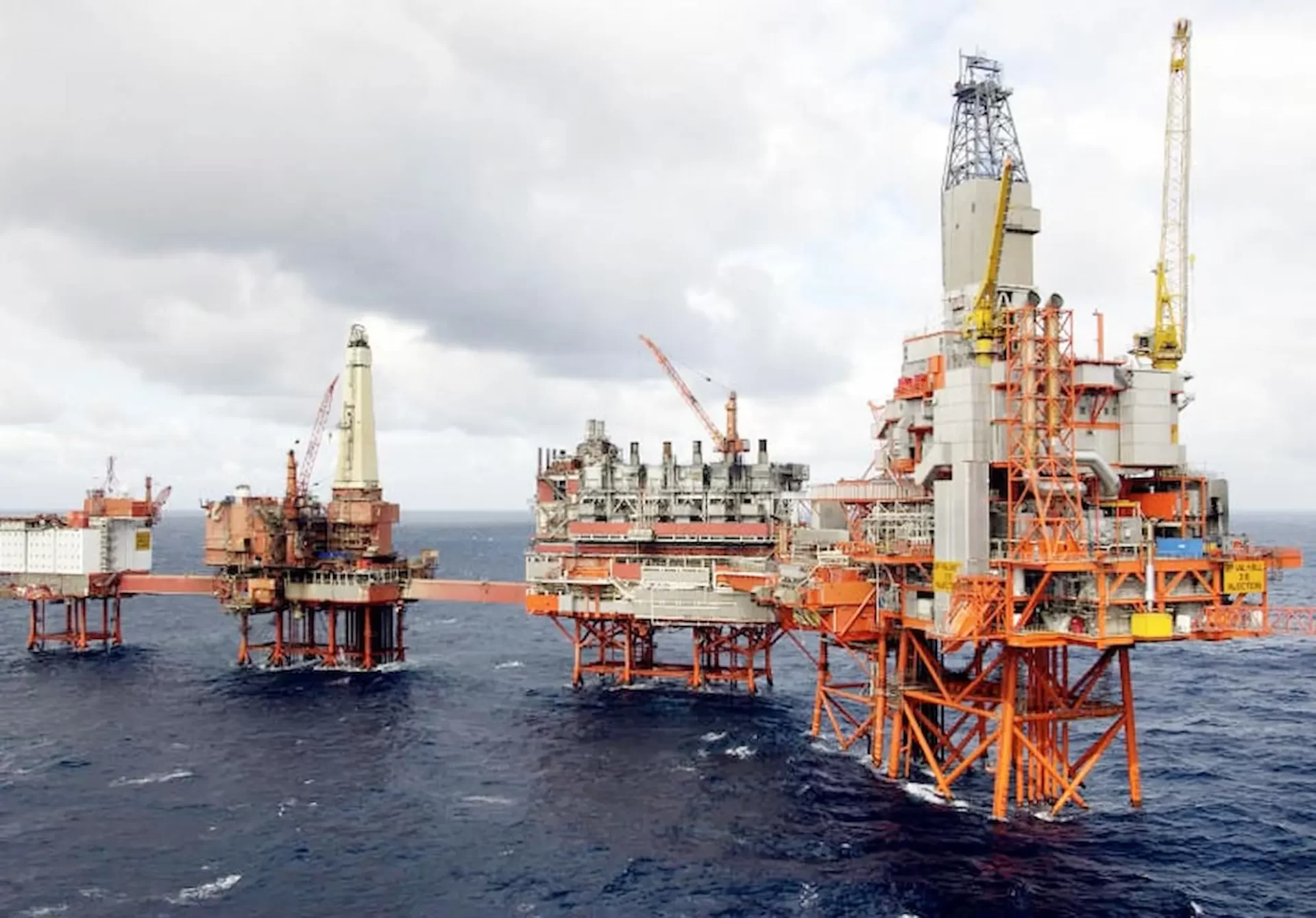
Nigeria’s upstream oil sector is showing renewed strength, with a 66 percent increase in active oil rigs signaling a turnaround in exploration and production activity. The rebound reflects growing investor confidence and the impact of ongoing policy reforms aimed at revitalizing output.
Upstream Activity Gathers Momentum
According to data from the Organization of the Petroleum Exporting Countries (OPEC), Nigeria operated 15 active rigs in August 2025, up from 9 rigs in May — marking the second-highest count this year. The rise follows months of steady improvement after drilling activity slowed earlier due to insecurity and high operational costs.
Industry observers say the uptick underscores renewed exploration momentum as operators respond to a more stable and investor-friendly environment.
Policy Reforms Driving Growth
At the heart of this revival is President Bola Tinubu’s Upstream Petroleum Operations Cost Efficiency Incentives Order (2025), signed in May. The executive order introduces performance-based tax incentives to reward operators who achieve measurable cost savings against benchmarks set by the Nigerian Upstream Petroleum Regulatory Commission (NUPRC).
“These incentives are a signal to the world that Nigeria is building an oil and gas sector that is efficient, competitive, and works for all Nigerians,” President Tinubu stated.
The initiative builds on the 2024 upstream reform package, which improved fiscal terms, streamlined project approvals, and strengthened local content requirements. Analysts describe the new cost-efficiency measures as a catalyst for attracting capital, technology, and fresh investments into Nigeria’s upstream operations.
Rising Production and Market Stability
The policy impact is already visible. Crude oil production rose to 1.505 million barrels per day (bpd) in June, up 3.6 percent from May, enabling Nigeria to meet its OPEC production quota for the second time in 2025. Sustained progress could help stabilize national oil revenues and improve foreign exchange inflows.
The Nigerian National Petroleum Company Limited (NNPCL) has indicated plans to engage OPEC for a 25 percent quota increase by 2027, citing expanded domestic refining capacity driven by the 650,000 bpd Dangote Refinery and several modular refineries nearing completion.
Outlook: A Turning Point for Nigeria’s Oil Industry
After years of production decline caused by oil theft, pipeline vandalism, and regulatory uncertainty, Nigeria’s upstream revival appears to be taking firm shape. Analysts believe that a sustained rise in rig activity, coupled with governance reforms and infrastructure expansion, could restore the country’s position as Africa’s leading crude producer.
“What we are seeing is not just a rebound in drilling, but a sign of renewed belief in Nigeria’s energy future,” an industry expert noted.
With stronger policy alignment and renewed private sector participation, Nigeria’s upstream oil sector may finally be on the path toward sustainable growth and long-term stability.