
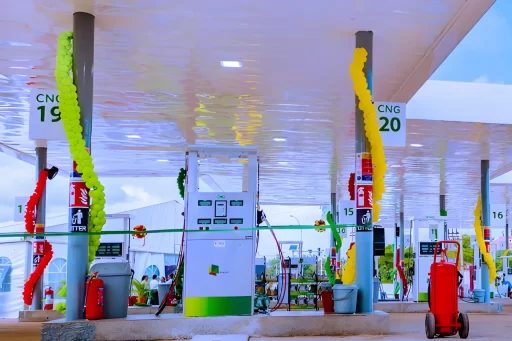
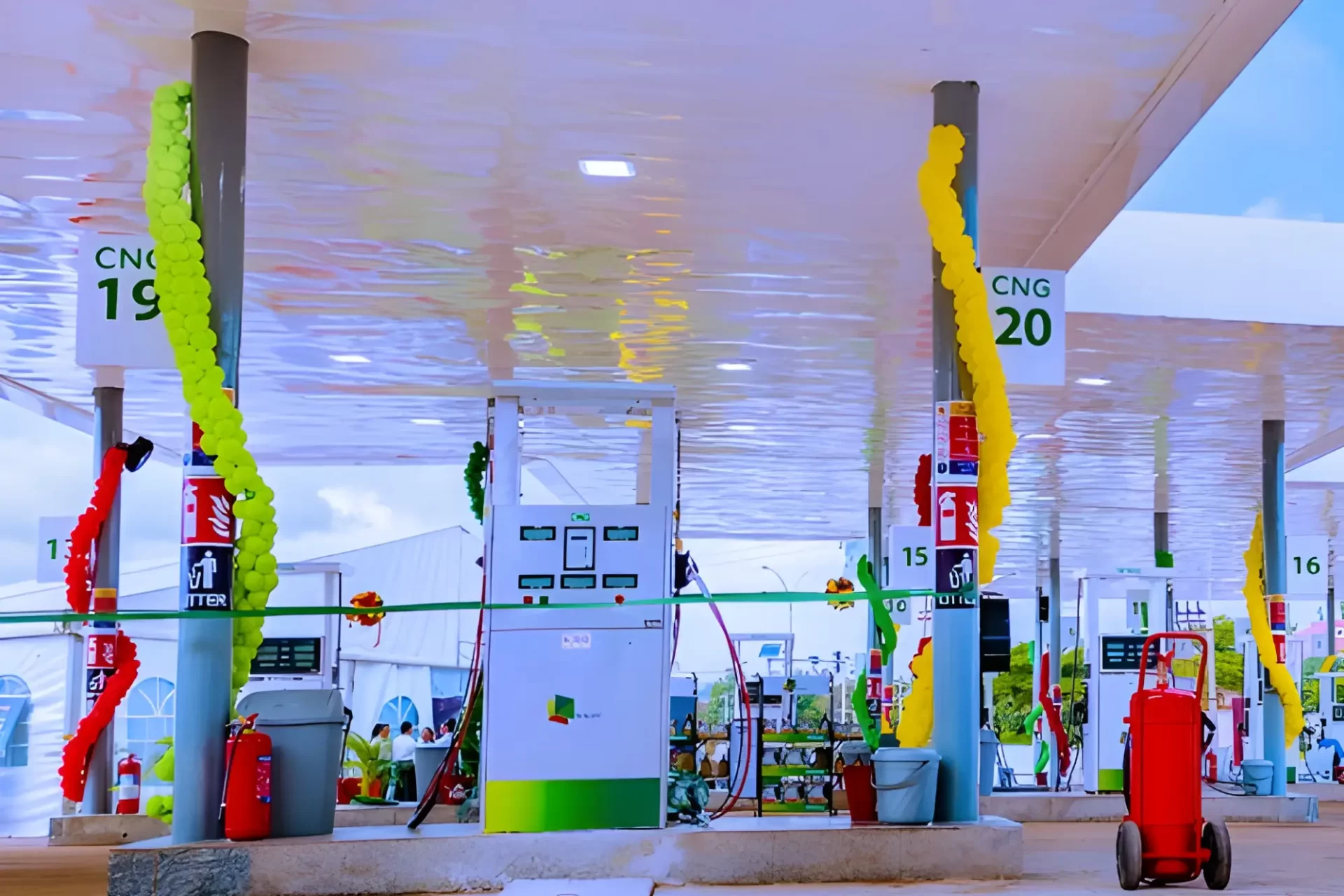

The state oil firm announced the milestone via its official X (formerly Twitter) account, stating: “We are expanding clean energy access, one city at a time. We are now live in Abeokuta, Abuja, and Ibadan. With every new site, we bring Nigerians closer to cleaner, more affordable energy for everyday mobility.”
Cheaper, Cleaner Fuel Gains Urgency
With global crude oil prices climbing due to renewed tensions in the Middle East, local pump prices have surged—despite ongoing downstream reforms. NNPCL’s CNG rollout comes as a timely alternative for motorists, commercial drivers, and fleet operators battling high petrol costs.
Industry analysts say the initiative could cushion the impact of rising fuel expenses and accelerate Nigeria’s energy transition. Though vehicle conversion to CNG requires initial investment, long-term savings are significant due to the lower cost of natural gas compared to petrol.
Strategic Coverage Across Key Urban Hubs
The three newly commissioned stations join a growing network of NNPCL’s CNG outlets, including several high-traffic locations in Lagos. Fixed stations are now operational in Agidingbi, Mushin, Sangotedo, and Apapa, offering convenient access to CNG refuelling.
In addition, the company has deployed six mobile refuelling units to underserved urban communities. These include Fola Agoro in Shomolu, Alapere Secondary School, Marina, Agege Bypass (Idimangoro), Lakowe Secondary School, and Odogunyan Secondary School in Ikorodu.
“The use of mobile stations ensures no area is left behind,” said an NNPCL insider. “It allows us to serve growing demand while building permanent infrastructure.”
Driving Nigeria’s Clean Energy Agenda
NNPCL’s CNG strategy aligns with the Federal Government’s goal to deepen the adoption of alternative fuels under the National Gas Expansion Programme (NGEP). The shift also supports Nigeria’s energy transition targets and cuts reliance on imported petroleum products.
“CNG is not just a fuel alternative—it’s an economic solution and a cleaner future,” noted energy policy analyst, Aisha Balogun. “Scaling access will reduce household transport costs and create new green jobs.”