



NNPCL Plans Asset Sales to Boost Operations, Repair Pipelines
By Oriental News Nigeria Staff
The Nigerian National Petroleum Company Limited (NNPC Ltd) has initiated plans to sell stakes in selected oil and gas assets as part of efforts to raise capital, improve operations and rehabilitate critical pipeline infrastructure.
According to an invitation document, NNPC Ltd has already called for bids, with interested firms required to register online by January 10. Pre-screening will follow, after which qualified bidders will gain access to a secure virtual data room.
The divestment initiative comes amid Nigeria’s ongoing struggle to boost crude oil output and attract fresh investment, particularly as international oil companies continue to divest from onshore assets. The national oil company is targeting incremental production growth from marginal fields vacated by foreign operators.
However, the proposed asset sales have drawn strong opposition from labour unions. In September, the Petroleum and Natural Gas Senior Staff Association of Nigeria (PENGASSAN) and the Nigeria Union of Petroleum and Natural Gas Workers (NUPENG) warned against plans to divest between 30 and 35 per cent of government stakes in joint venture assets.
The unions argued that such moves could destabilise the economy, weaken the oil industry and threaten workers’ welfare. Currently, the federal government holds between 55 and 60 per cent of joint venture assets through NNPC Ltd.
Under the bidding framework, prequalification will be based on technical and financial capacity, followed by document evaluation, negotiations and regulatory approvals.
Separately, NNPC Ltd is reportedly in discussions to secure up to $2 billion in financing from Nexus Alliance, a firm that supports pipeline infrastructure, according to sources cited by Bloomberg.
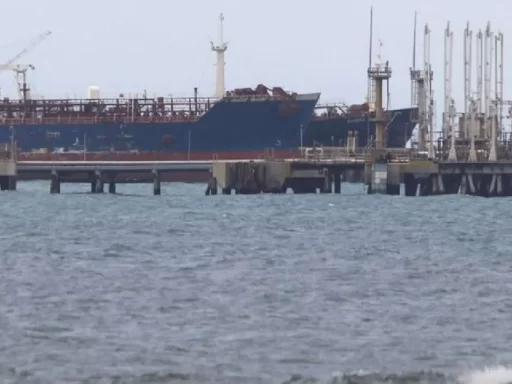
Nigeria’s oil and gas pipeline network, spanning more than 5,000 kilometres, has suffered years of disruption due to vandalism, crude theft, sabotage, ageing infrastructure and underinvestment. Many key pipelines that transport crude oil to export terminals and gas to power plants and LNG facilities operate below capacity or remain offline.
Despite recent improvements in security, pipeline disruptions continue to constrain Nigeria’s oil output, export earnings and domestic energy supply.
According to the report, NNPC Ltd expects to receive the pipeline financing early next year and plans to deploy the funds to repair damaged infrastructure, reduce leaks and improve system reliability.
The national oil company is also pursuing broader refinancing efforts, including discussions with lenders based in Saudi Arabia, as it seeks to lift oil production to at least 1.8 million barrels per day and ramp up gas output.
NNPC Ltd aims to attract $30 billion in investment by 2027, with expectations of securing about half of that amount by 2026.
The asset sale and financing drive aligns with reforms introduced under the Petroleum Industry Act (PIA) 2021, which transformed the former Nigerian National Petroleum Corporation into NNPC Limited, a commercially oriented entity operating under the Companies and Allied Matters Act.
The PIA separated commercial and regulatory roles, establishing the Nigerian Upstream Petroleum Regulatory Commission (NUPRC) and the Nigerian Midstream and Downstream Petroleum Regulatory Authority (NMDPRA) as independent regulators.
As a limited liability company, NNPC Ltd is now required to operate on a profit-making basis, publish audited accounts, pay taxes and royalties, and potentially declare dividends, while enjoying exemptions from certain public sector controls to enhance operational efficiency.
The company also retains a long-term ambition to launch an initial public offering, positioning itself in line with global national oil companies such as Saudi Aramco, as Nigeria seeks greater transparency, efficiency and investment in its oil and gas sector.