

Obi Demands Public Accountability Over NMDPRA Controversy/h1>
By Naija Enquirer Staff
Obi calls for moral responsibility amid public outrage
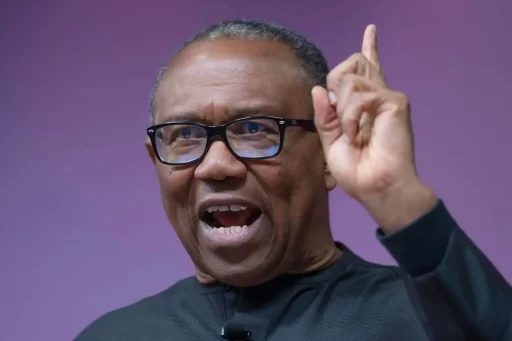
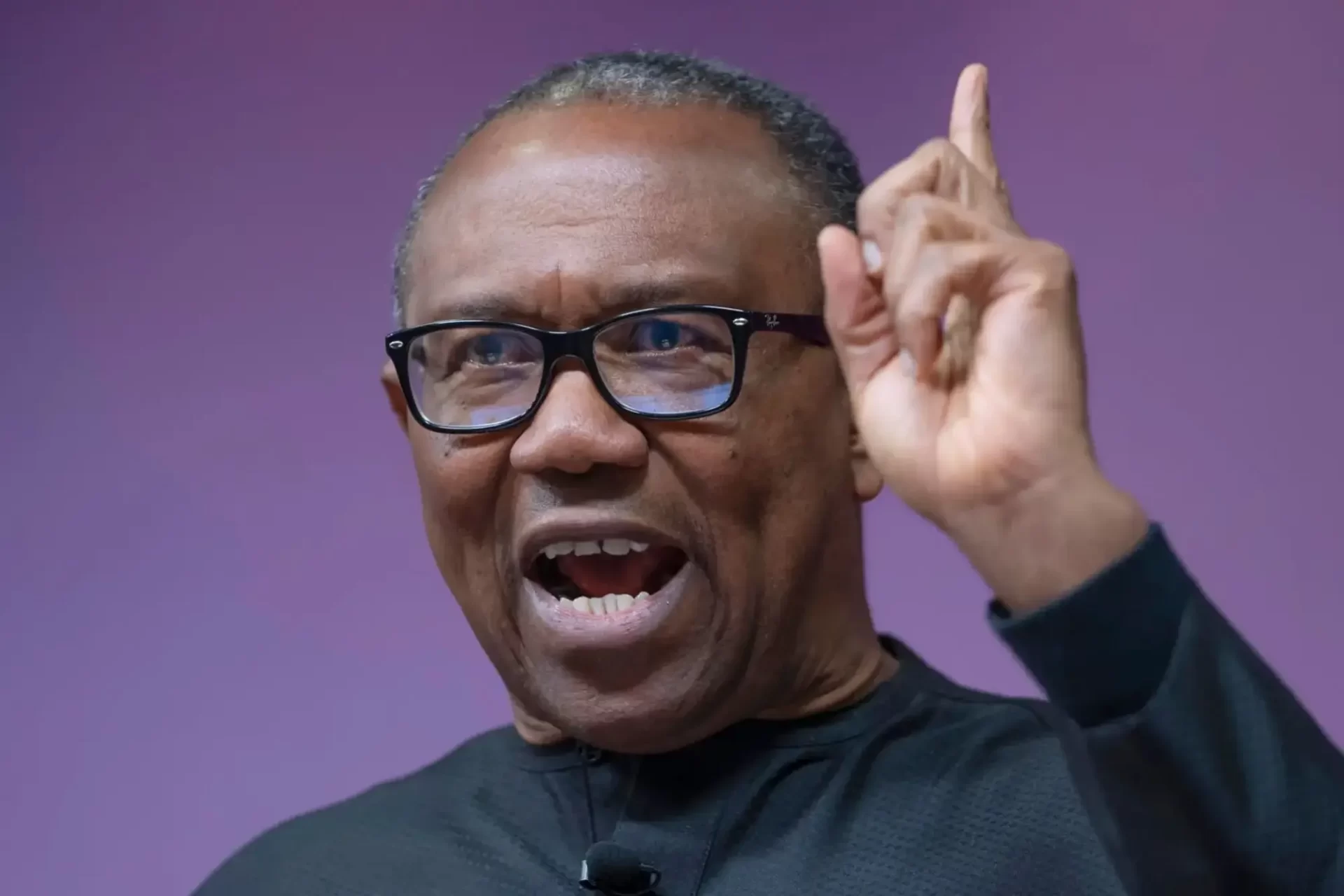
Former Anambra State Governor and Labour Party presidential candidate, Peter Obi, has called for deeper public accountability following allegations surrounding the immediate past Chief Executive Officer of the Nigerian Midstream and Downstream Petroleum Regulatory Authority (NMDPRA), Farouk Ahmed, over the reported cost of his children’s education abroad.
Obi’s intervention followed claims by President of the Dangote Group, Aliko Dangote, that Ahmed allegedly spent about $5 million on the secondary school education of his four children in Switzerland — an allegation that has since sparked widespread public debate and calls for investigation.
“Scale, context and moral consequence”
In a strongly worded statement, Obi stressed that the controversy extends beyond personal choice and enters the realm of public responsibility, particularly in a country battling deep inequality and a fragile education system.
“The issue here is not education itself, but scale, context, and moral consequence, especially when such spending is attributed to a public official in a country with extreme inequality,” Obi said.
He noted that at prevailing exchange rates, the alleged $5 million — estimated at about ₦7.5 billion — could radically transform access to education for thousands of Nigerian children.
Education crisis and opportunity cost
Obi highlighted Nigeria’s education crisis, pointing out that the country has over 18 million out-of-school children, the highest figure globally.
According to him, such funds, if invested locally, could create a self-sustaining education ecosystem capable of educating 6,000 children annually, employing 450 teachers, and funding infrastructure, salaries, and learning materials on a long-term basis.
“In effect, the system becomes permanently self-funding, without touching the original capital,” he said, outlining how long-term investment yields could support education indefinitely.
A broader moral question
Obi argued that the controversy reflects a deeper national dilemma about privilege and responsibility in public life.
“The Farouk controversy is not merely about one man. It is a mirror held up to our collective conscience, asking whether privilege will continue to coexist comfortably with abandonment, or whether responsibility will finally rise to meet opportunity,” he stated.
He further warned that neglecting education carries serious consequences for governance and national stability, invoking the words of Plato that “when education is neglected, the damage does not stop with children, it spreads to everything else.”
Call for national responsibility
Obi concluded by urging Nigeria’s political and economic elite to view education not merely as a private investment but as a national imperative.
“An educated society produces better governance, safer communities, stronger institutions, and a more dignified nation,” he said, adding: “A new Nigeria is possible.”