

Oby Ezekwesili Writes Open Letter To Tinubu, Sanwo-Olu On Plights Of Downtrodden Makoko Residents
By Naija Enquirer Staff
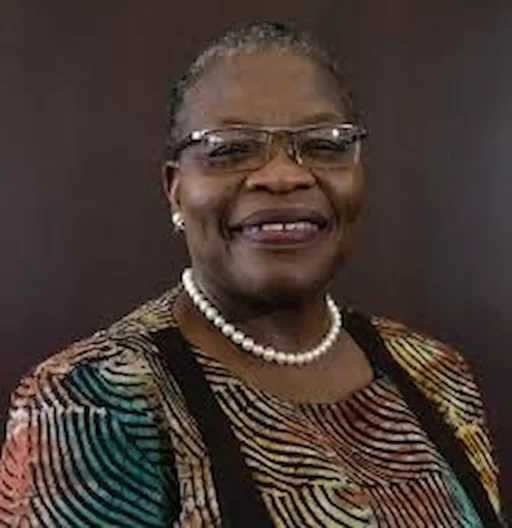
The former Minister and Founder, School of Politics, Policy and Governance (SPPG), Oby Ezekwesili, has written an open letter to President Bola Tinubu and Lagos State Governor Babajide Olusola Sanwo-Olu, urging them to urgently address the plight of the downtrodden residents of Makoko in Lagos State.
Ezekwesili, in the open memorandum titled, ‘The State-Sanctioned Oppression of the Poor in Makoko and the Assault on Constitutional Citizenship’, emphasised that the letter was written in defence of the Nigerian Constitution, the dignity of citizenship, and the humanity of some of the poorest Nigerians — the residents of Makoko.
The former Deputy President of the World Bank (Africa Region) raised several critical questions, including whether the poor have a right to the city or only the rich; whether Lagos is a commonwealth of citizens or a marketplace where land value overrides human value; and whether Nigeria’s democracy protects only those with means or all citizens.
She stated in the letter dated January 19, 2026, that history would judge the responses of the President and the Lagos State Governor not by their speeches, but by the actions they take.
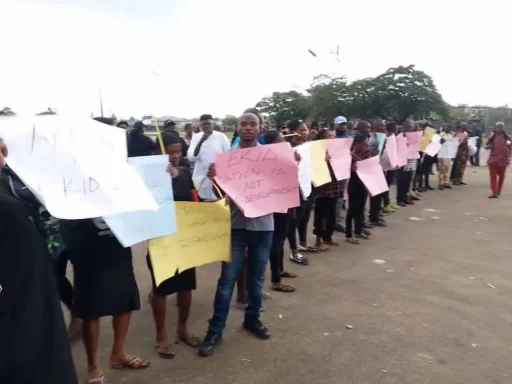
“Makoko residents are not squatters on the Nigerian soil. They are citizens of Nigeria. They are preyed on by your same political class to vote for your parties during elections. They work. They raise families. Their children, whose education is now disrupted, are some of the most brilliant Nigerians I have met,” she wrote.
She noted that Makoko residents contribute to the Lagos economy through fishing, trade, and informal enterprise, yet have been treated for decades as though poverty nullifies their citizenship.
Ezekwesili stated that the memorandum was written for the children of Makoko now sleeping in the open, their mothers clutching the remnants of their households, and for a nation that must decide whether poverty — largely the result of bad governance — is a crime.
She described the demolition of homes far beyond the agreed safety corridor from power lines as heartless, unjust, and a clear case of state-sanctioned oppression of the poor.
According to her, what occurred in Makoko was not about safety or urban development but amounted to what she described as a “vicious class cleansing” aimed at banishing the poor from valuable waterfront land.
Ezekwesili said earlier assurances by Lagos State officials that demolitions would be limited to a 30–50 metre safety corridor were breached, with demolitions reportedly extending between 277 and 522 metres, engulfing homes, schools, clinics, and livelihoods.
She alleged that at least four Nigerians who called Makoko home for decades were reportedly killed during what she described as a land grab orchestrated by a captured Nigerian state.
She condemned the demolitions as unconstitutional, morally indefensible, and a violation of global best practices, noting that forced evictions are rejected under international standards.
Ezekwesili warned that rendering thousands homeless without providing emergency shelter, sanitation, healthcare, and protection constitutes inhumane and unlawful state action.
She demanded immediate and non-negotiable actions, including a halt to all demolitions and evictions in Makoko, public disclosure of planning standards governing power-line setbacks, emergency shelter for displaced families, compensation and livelihood support, participatory long-term solutions prioritising in-situ upgrading, and public accountability for abuses.
She cautioned political leaders that a nation that criminalises poverty while celebrating wealth has lost its moral compass and is teetering on the edge.
“With over 133 million multidimensionally poor Nigerians, how many citizens can your governments evict, kill, or hide from sight?” she asked, urging both leaders to act urgently and do right by the grieving children and families of Makoko.