


Oil Tankers Still Arrive in Venezuela Despite US Blockade, Data Shows
By Naija Enquirer Staff
Despite a tightening United States blockade aimed at curbing Venezuela’s oil exports, at least two oil tankers have arrived in the country in recent days, with others navigating toward its coast, according to shipping data.
The continued tanker movements signal efforts by Venezuela’s state-run oil company, Petróleos de Venezuela SA (PDVSA), to expand floating storage and sustain crude sales even as US sanctions sharply restrict export activity.
Earlier this month, US President Donald Trump announced a blockade of all sanctioned vessels entering or leaving Venezuelan waters, intensifying pressure on President Nicolás Maduro’s government. The move has slashed Venezuela’s oil exports to roughly half of their November levels.
US authorities have seized two fully loaded cargoes of Venezuelan crude, while American naval vessels patrol the Caribbean Sea. The increased enforcement has prompted many tanker owners to reroute or abandon voyages to Venezuela, leaving only a small number willing to continue operations.
According to TankerTrackers.com, at least two sanctioned vessels have docked in Venezuela in recent days, while two additional non-sanctioned tankers are approaching the country’s coastline. Some of these vessels form part of crude-for-debt arrangements between Venezuela and China, under which oil shipments are used to service outstanding obligations.
It remains unclear whether China will seek a waiver from Washington to secure delivery of these cargoes. PDVSA declined to comment, while Venezuela’s oil ministry and President Maduro have insisted that oil exports will continue despite the blockade.
To mitigate the impact of sanctions, PDVSA has reportedly been negotiating price discounts and contract modifications with customers in an effort to avoid cargo returns or production shut-ins. However, company sources say many buyers are growing increasingly frustrated by logistical bottlenecks.
Compounding the situation, a recent cyberattack forced PDVSA to shut down its centralised administrative system, slowing cargo deliveries at ports. As a result, the company has increasingly relied on tankers as temporary storage, expanding floating inventories of crude and fuel.
Currently, the only loaded vessels departing Venezuela are tankers operated by Chevron, which continue to export crude to the United States under a special US authorisation, along with small ships carrying refined products and petrochemicals.
A similar escalation of US sanctions in 2020 forced Venezuela to rely on obscure intermediaries to maintain oil flows to China, triggering production cuts, refinery shutdowns and widespread fuel shortages. It took several years for the country to restore output to around one million barrels per day.
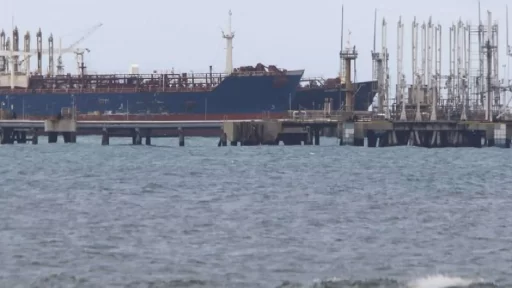
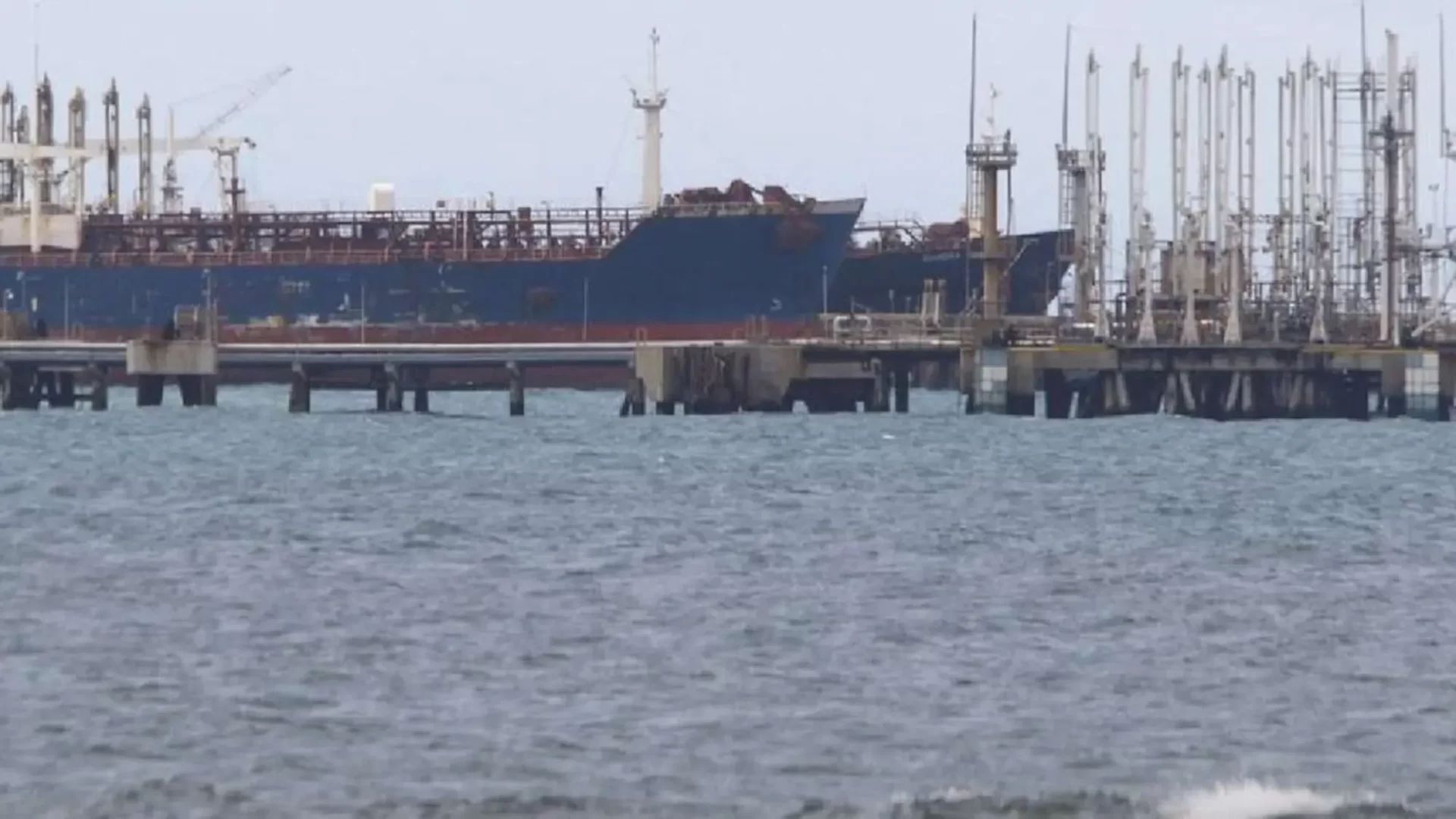
As of this week, nearly two dozen tankers were reportedly visible offshore near the José terminal awaiting loading windows or departure instructions. Data shows the volume of oil held in undeparted tankers has risen to about 16 million barrels, up from roughly 11 million barrels in mid-December.
The situation underscores PDVSA’s determination to keep oil flowing under increasingly restrictive conditions, even as sanctions tighten and export pathways narrow.