

PETROAN Faults NNPC GCEO’s Comments On P/H Refinery, Criticises Over-Reliance On Private Refinery
By Naija Enquirer Staff
The Petroleum Products Retail Outlets Owners Association of Nigeria (PETROAN) has expressed deep concern and disappointment over remarks credited to the Group Chief Executive Officer of NNPC Limited, Engr. Bayo Ojulari, in which he allegedly described the re-operationalisation of the Port Harcourt Refinery and Petrochemical Company as a “waste of resources” and admitted that NNPC lacks the capacity to operate refineries profitably.
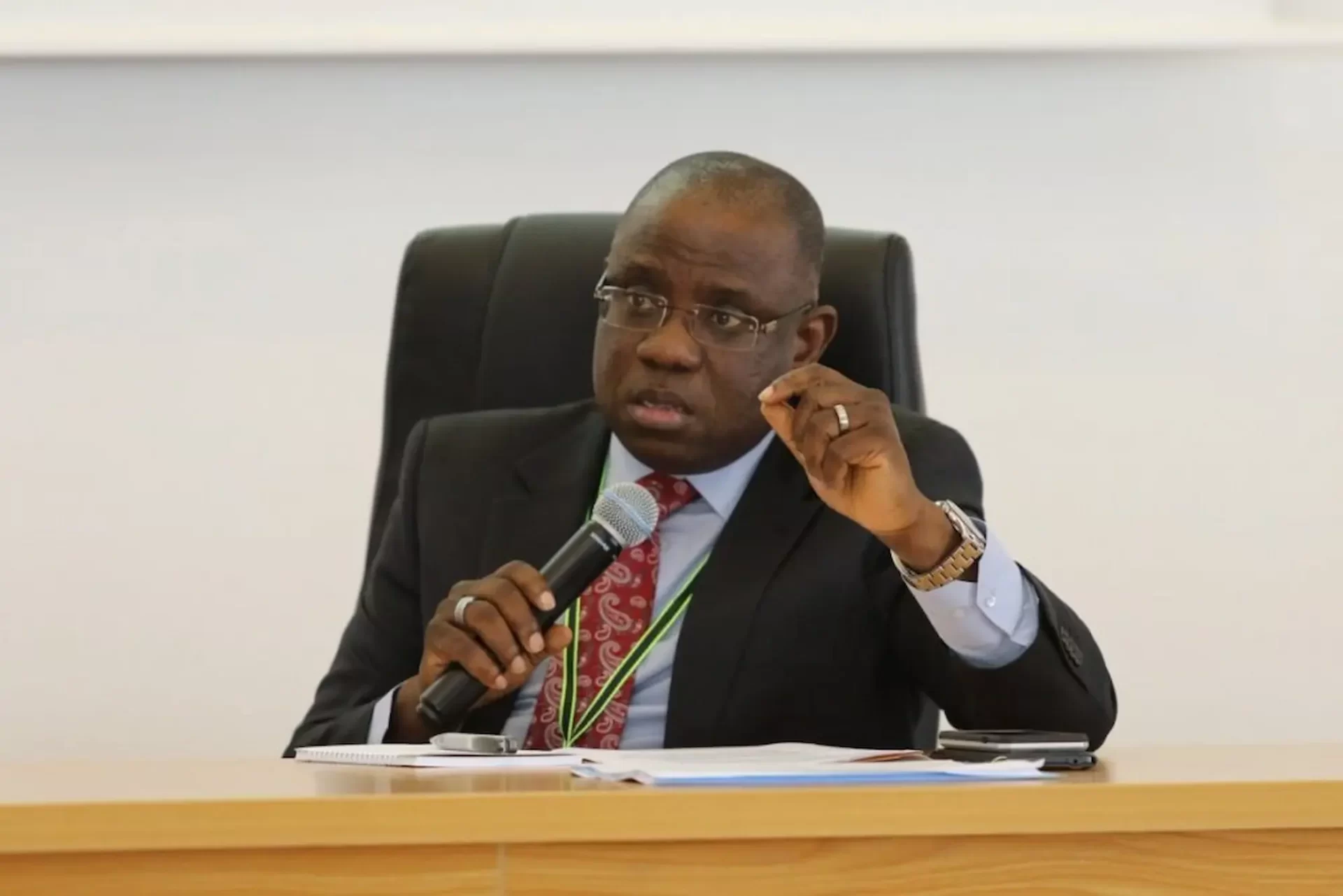
The National Public Relations Officer and spokesperson of the Association, Dr. Joseph Obele, in a statement described the comments as troubling, demoralising, and deeply disturbing, warning that they raise fundamental questions about institutional responsibility, governance, and the stewardship of public resources.
Obele, who is also a Lecturer of Energy Marketing at Ignatius Ajuru University of Education, noted that over $1.5 billion of public funds were reportedly expended on the rehabilitation of the Port Harcourt Refinery, which was reopened in November 2024 but shut down again in May 2025 due to alleged financial losses.
He argued that for the GCEO of NNPC to dismiss the entire rehabilitation effort as a waste, without clear attribution of responsibility, performance audits, or accountability measures, is unacceptable to Nigerians.
“If NNPC truly lacks the capacity to run refineries profitably, as admitted by its own GCEO, then Nigerians deserve to know who advised the investment, who supervised the rehabilitation, who certified the restart, and who benefited from the contracts and operations,” Dr. Obele stated.
He insisted that public institutions cannot casually dismiss a multi-billion-dollar national asset as a mistake without consequences.
PETROAN also faulted the narrative suggesting that Nigerians should be “thankful” solely because of the success of the Dangote Refinery. While acknowledging the strategic importance and commendable achievement of the privately owned refinery, Obele stressed that private investments cannot replace the constitutional and economic obligation of government to efficiently manage public assets.
“Dangote Refinery is a private investment driven by profit and efficiency. NNPC, on the other hand, holds national assets in trust for Nigerians. One cannot be used as an excuse for the failure of the other,” he emphasised.
The energy expert further warned that repeated public admissions of incompetence by NNPC leadership risk eroding investor confidence, weakening Nigeria’s energy security framework, and undermining years of policy efforts aimed at domestic refining, price stability, and job creation.
Obele urged the GCEO of NNPC Limited to recognise that his appointment was to solve problems, not to retreat behind the success of a private refinery. He described as most worrisome the claim that there is no urgency to restart the Port Harcourt Refinery because the Dangote Refinery is currently meeting Nigeria’s petroleum needs.
“Such a statement is annoying, unacceptable, and indicative of leadership that is not solution-centric,” he said.
He stressed that Nigeria cannot continue to normalise waste, institutional failure, and retrospective justification of poor decisions, adding that admitting failure is only meaningful when followed by accountability, reforms, and a credible plan to prevent recurrence.
Dr. Obele also disclosed that he would lobby civil society groups and relevant stakeholders to explore legal options to demand the removal of the NNPC GCEO should the Port Harcourt Refinery fail to resume operations on or before March 1, 2026.
He warned that considering the huge sums already spent on rehabilitation, continued shutdown could lead to rust, corrosion, abandonment, lack of lubrication, and eventual destruction of installed equipment, thereby rendering the entire revamp effort futile if urgent action is not taken.