


Polarization of Global Energy Landscape Hits Nigeria’s Forex Earnings
By Naija Enquirer Staff
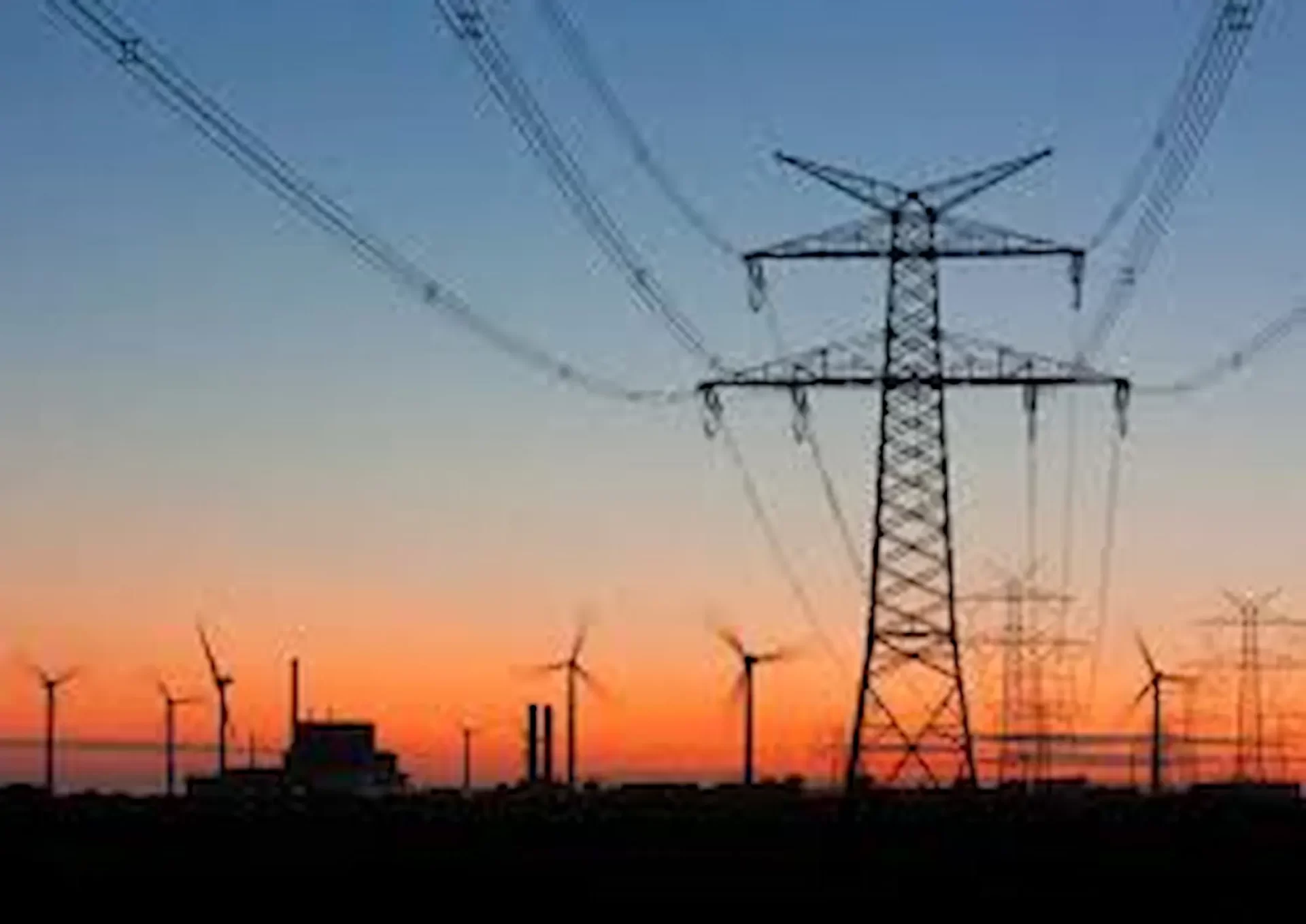
As the global energy landscape becomes increasingly polarized between fossil-fuel-driven “petrostates” and clean-energy-focused “electrostates,” Nigeria’s heavy reliance on crude oil exports is emerging as a growing economic vulnerability.
Countries such as the United States, Saudi Arabia, and Russia continue to prioritise fossil fuels, while nations like China and much of Europe are accelerating electrification and clean energy adoption. Ironically, many of these same countries face heightened risks from climate change.
Nigeria derives between 80 and 90 per cent of its total government revenue and foreign exchange earnings from oil exports, making it particularly exposed to shifts in global energy demand and pricing.
Africa as a whole is expected to suffer disproportionately from rising global temperatures, despite possessing vast potential for clean energy development due to abundant sunshine and other natural resources.
For many resource-dependent nations, sticking with a fossil-fuel-powered development model remains tempting. Coal, oil, and gas continue to account for a significant share of national revenues, and a rapid clean energy transition poses short-term economic and social challenges.
Designing a “just transition” is especially difficult for countries where fossil fuels are major employers and revenue generators. Such transitions require massive financial investment, yet there is limited clarity on where adequate funding will come from.
Globally, energy policy is increasingly splitting into two opposing camps. While some nations are installing record levels of renewable energy capacity, others—most notably the United States—are expanding fossil fuel production at unprecedented rates.
According to a 2025 report by The National Interest, the global energy order is entering a period of profound realignment.
“Three fossil-fuel giants—the United States, Saudi Arabia, and Russia—are consolidating influence, even as China, the emerging electrostate, pursues a technological trajectory aligned with Europe’s green ambitions,” the report noted.
It warned that the resulting contest between hydrocarbons and electrification could shape the global energy and geopolitical landscape over the next decade, with significant implications for oil-dependent economies like Nigeria.