



Refinery Shutdowns Threaten Fuel Prices Ahead of 2027 Elections – PETROAN Warns
By Naija Enquirer Staff
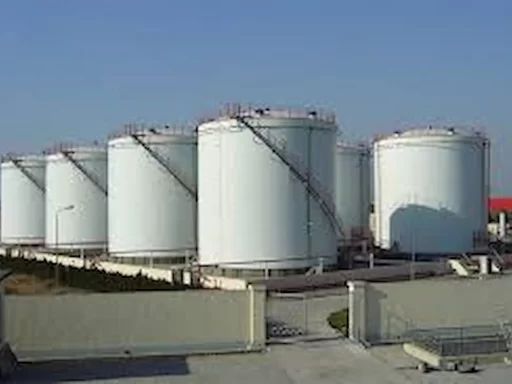
The prolonged shutdown of Nigeria’s state-owned refineries in Port Harcourt, Warri and Kaduna could worsen fuel prices, deepen import dependence and become a major political liability ahead of the next general election, the Petroleum Retail Outlets Owners Association of Nigeria (PETROAN) has warned.
PETROAN’s National Public Relations Officer, Dr Joseph Obele, said the failure to sustain refinery operations after heavy public investment risks undermining economic recovery efforts and eroding public trust.
Nigeria’s Port Harcourt Refinery, which underwent rehabilitation at a cost of about $1.5 billion, resumed operations in November 2024 but was shut down again on May 24, 2025, alongside similar operational challenges at the Warri and Kaduna refineries.
Economic Benefits Cut Short
Obele noted that the brief return of the Port Harcourt Refinery delivered immediate economic benefits to host communities.
“Within the first six months of operation, business activities resumed around the refinery host communities, leading to increased commercial engagement and the employment of youths,” he said.
According to PETROAN, the current condition of the refineries is now set to become a central campaign issue as political actors trade accusations of abandonment, mismanagement and alleged fraud.
Refineries Set to Dominate Political Debate
“As Nigeria approaches another election season, the narratives around refinery abandonment, neglect and mismanagement will be heavily exploited by both the ruling party and the opposition,” Obele warned.
Fuel Prices and Import Dependence
Beyond jobs and local economic activity, PETROAN stressed that functional refineries are critical to stabilising the downstream petroleum market and easing the burden of high fuel costs on Nigerians.
“The resumption of refinery operations will introduce healthy competition in the downstream sector, which is expected to drive down petroleum product prices,” Obele said.
“The current prices of petroleum products are outrageous and have imposed severe hardship on citizens.”
He added that operating multiple refineries simultaneously would significantly reduce Nigeria’s reliance on imports, improve supply stability and create pricing advantages for consumers.
“Multiple functional refineries will reduce import dependence, improve supply stability, and directly benefit consumers through better pricing,” he said.
Call for Urgent Government Action
PETROAN advised the Federal Government to act decisively to turn refinery revival into a visible economic win ahead of the 2027 elections.
“My advice to the ruling party is to ensure that the nation-owned refineries resume and sustain operations by the first quarter of 2026,” Obele stated.
“This will translate into job creation, a surge in business activities, and renewed engagement with host communities.”
He concluded that voter sentiment would largely be shaped by tangible outcomes rather than political rhetoric.
“Ultimately, the party that demonstrates genuine commitment to the revival and efficient management of the Port Harcourt, Warri and Kaduna refineries will be a major determinant of voter support in the next general election,” Obele said.