


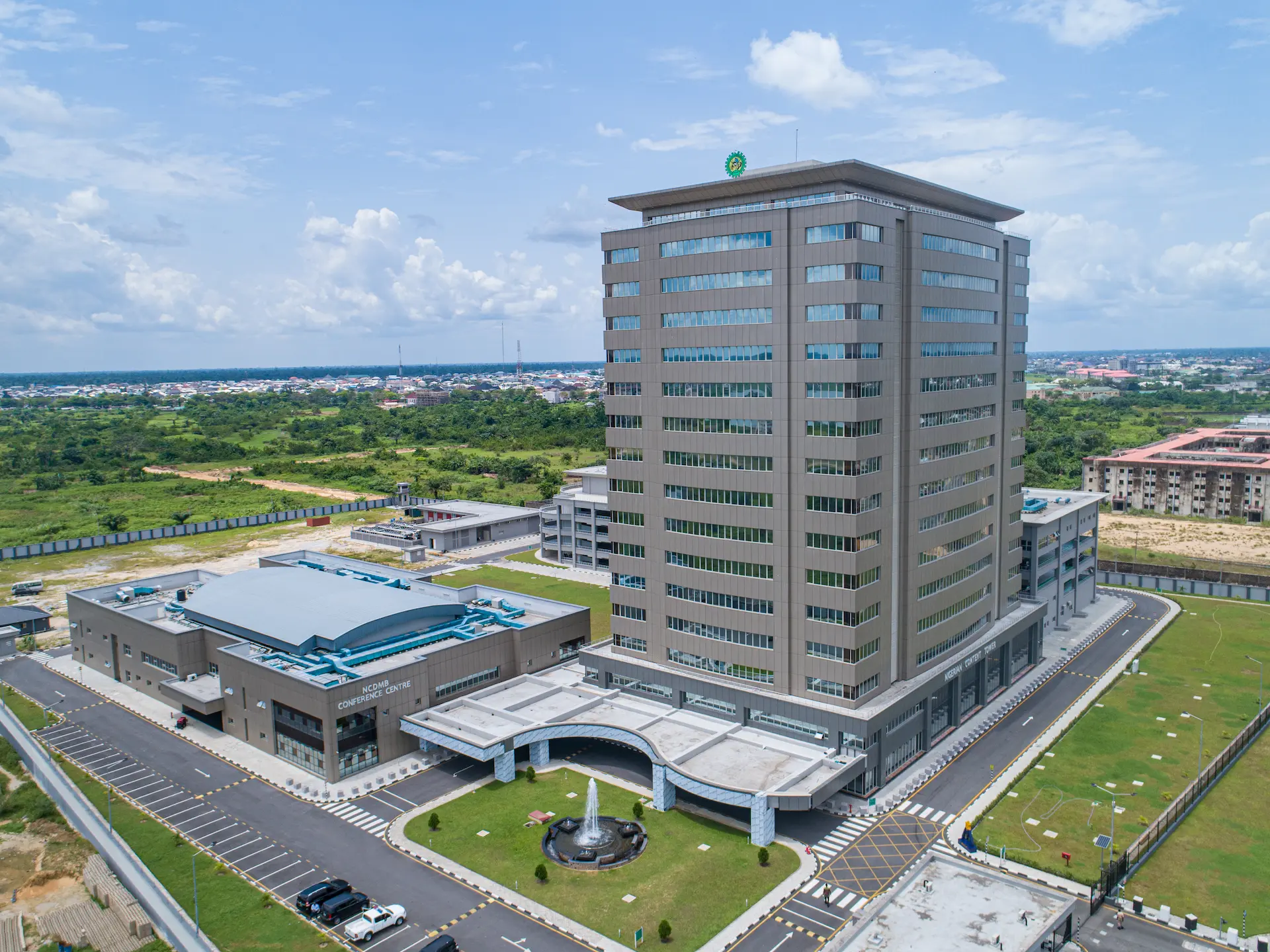

Senate Vows Strict Enforcement of Nigerian Content Across Industries
By Naija Enquirer Staff
The Senate Committee on Local Content has reaffirmed its commitment to enforcing Nigeria’s Local Content Policy across all sectors of the economy, ensuring that indigenous companies, professionals, and workers fully benefit from national resources.
This pledge was made by Senator Joel Onowakpo Thomas, Chairman of the Committee, during his keynote address at PNC 2025 in Yenagoa, Bayelsa State.
Senator Thomas emphasized that local content is no longer confined to the oil and gas sector but now extends to science, technology, and other strategic industries. He noted that the government is determined to deepen Nigerian participation in all economic activities.
“Our policy aims to promote Nigerian professionals, goods, and services in all public contracts, while prioritizing indigenous capacity development,” Thomas stated. “Procuring authorities must give preference to Nigerian companies and provide the necessary expertise to ensure compliance.”
The Committee also highlighted the need to enhance welfare, training, and career growth for Nigerian workers. According to Thomas, Sections 35 to 39 of the Local Content Act impose a legal obligation on operators to invest in research, capacity building, and human capital development.
“Operators are required to employ Nigerians in junior and intermediate positions and run programs that promote education, training, and skills development,” he said. “The Nigerian Project Development Advantage Board is crucial to fostering job creation, business growth, and skills acquisition.”
Addressing enforcement gaps, Thomas revealed that many international and national oil companies have failed to submit the mandatory ACF form, which constitutes a violation of the Local Content Act.
“We are conducting investigations into non-compliant companies and will take appropriate action. Compliance must be measurable, verifiable, and not just on paper,” he declared.
The Senator criticized the continued marginalization of capable Nigerian companies, noting that many indigenous firms have significantly improved their engineering and fabrication capacities yet remain overlooked by international oil companies.
“We are reviewing Nigerian content plans, waivers, and compliance frameworks to create a level playing field where Nigerians genuinely benefit from employment opportunities, skills development, and business participation,” Thomas added.
He stressed that partnerships with foreign corporations must reflect national interest and should not undermine quality Nigerian jobs. He assured that the Committee is working closely with the NCDMB and other stakeholders to clamp down on abuses and strengthen compliance.
On human capital development, Thomas reiterated that the most violated component of local content compliance has been the human capital agreement. He emphasized the Committee’s commitment to ensuring that funds earmarked for skills development are properly utilized for Nigerians.
The Senator concluded by acknowledging the vital roles of stakeholders across engineering, welding, geological, fabrication, and emerging high-tech sectors.
“Our mission is clear: move from paper compliance to measurable, enforceable results that strengthen indigenous capacity and drive national economic growth,” he said.