

Train 7 Opens New Workforce Pathway as NLNG Deepens Nigerian Content and Technical Capacity
By Naija Enquirer Staff
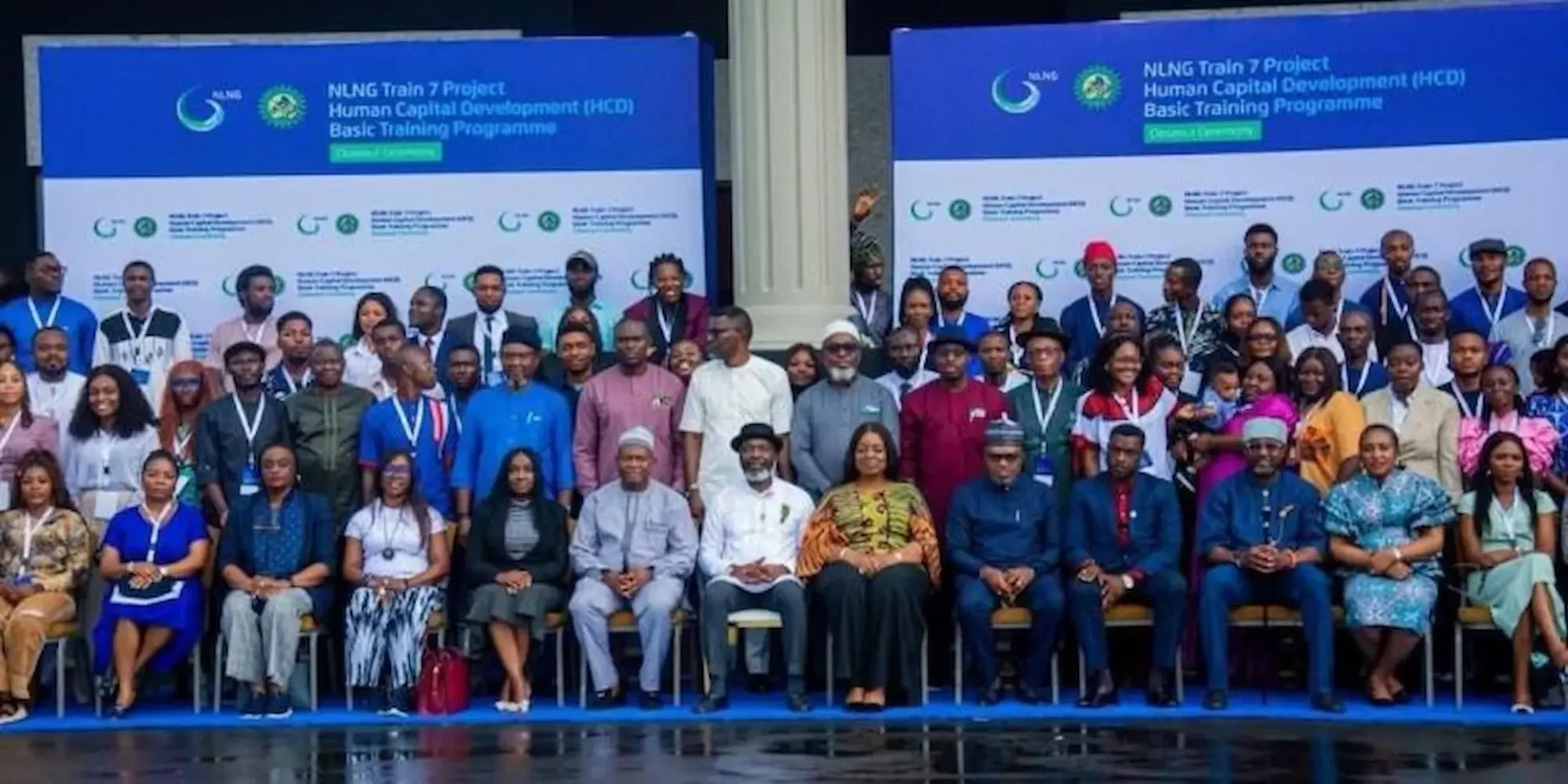
The graduation of 331 young Nigerians from the NLNG Train 7 Human Capital Development (HCD) Basic Training Programme in Port Harcourt has reinforced a renewed wave of local capacity building within Nigeria’s gas sector. The ceremony marked a defining moment for a country seeking to strengthen its energy workforce and industrial competitiveness.
“This is your moment,” declared Dr. Sophia Horsfall, NLNG’s General Manager for External Relations and Sustainable Development. “We strongly believe that the most valuable of all capital is human capital, and that is why NLNG continues to invest in people, skills, and the future.”
The graduates are now equipped to take up roles as LNG engineers, marine operators, safety professionals, fabricators, technologists, and operational experts, forming a talent pipeline for the $10 billion Train 7 gas expansion project.
A Pipeline of Skills for Nigeria’s Largest Gas Expansion
The Train 7 Project Director, Ali Uwais, described the HCD initiative as a cornerstone of Nigeria’s long-term industrial strategy. “The HCD Programme is designed to secure a sustainable talent pipeline for the oil and gas industry. This is a Federal Government initiative backed by legislation, and it will serve posterity,” he said.
Out of 848 applicants screened through the NCDMB’s NOGIC JQS portal, 331 trainees were selected for the Basic Training Programme, while another 140 had previously completed a more advanced technical training directly at the NLNG plant.
The training covered engineering, ICT, welding, marine services, HSE, supply chain, quality management, and non-destructive testing (NDT), combining classroom instruction with hands-on industrial practice.
Training on a Live LNG Plant – A Rare Global Opportunity
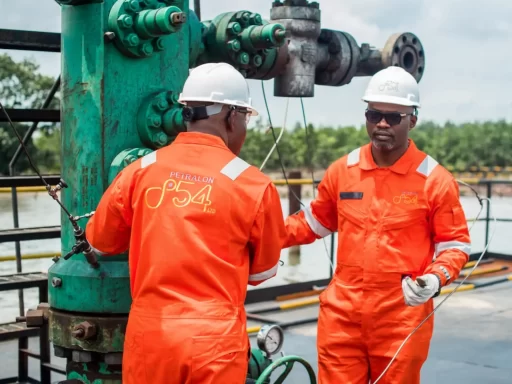
A key highlight of the 12-month HCD programme is its delivery on a live LNG plant—an opportunity available in only a handful of countries worldwide. Trainees participated in:
- Lifting and working at heights
- Marine and offshore operations
- Instrumentation and IT systems
- Fabrication and non-destructive testing (NDT)
- Facility maintenance and engineering operations
- Quality management systems
Each trainee completed the programme with industry certifications, laptops equipped with engineering and design software, medical support, accommodation, feeding allowances, and mentorship from seasoned NLNG engineers.
The Executive Secretary of the Nigerian Content Development and Monitoring Board (NCDMB), Engr. Felix Omatsola Ogbe, described Train 7’s HCD component as “a testament to the successful implementation of our Human Capital Development Guidelines.” He noted that the programme has groomed young Nigerians with advanced technical and managerial competencies.
An Industrial Blueprint Powered by Local Content
Beyond workforce development, the Train 7 Project continues to unlock significant Nigerian Content milestones. A major highlight is the establishment of a 10,000-ton galvanising plant in Abam-Ama, Okrika, built by Daewoo Engineering as part of the project’s fabrication value chain.
This development has boosted Nigeria’s total national galvanising capacity to more than 180,000 tons annually—benefiting oil and gas, telecoms, marine, transport, and power sectors. Local contractors are now spending less on imports, and supply chains have become more efficient.
Over 10,000 Jobs Created with World-Class Safety Records
Train 7 has generated over 10,000 direct and indirect jobs across fabrication, logistics, welding, scaffolding, and catering operations. It has also recorded over 70 million safe man-hours with zero Lost Time Injuries (LTI), reflecting what Uwais described as “world-class safety culture and discipline.”
According to NLNG, technology transfer in welding, cryogenic piping, modularised fabrication, and marine operations has reached a scale “never before seen in Nigeria’s gas sector.”
NLNG’s Broader Local Content Footprint
Train 7’s HCD programme adds to a long list of Nigerian Content initiatives pioneered by NLNG, including:
- NSML Shipyard Project: Supporting LNG carrier maintenance and expanding marine engineering jobs.
- Niger Delta Graduate Training Schemes: Thousands trained in welding, electricals, safety, and process operations.
- Supplier Development Initiatives: Empowering indigenous contractors through financing and capacity building.
- Bonny Vocational Centre (BVC): Producing skilled technicians for Nigeria’s industrial workforce.
- Domestic LPG Development Support: Boosting LPG availability and supporting cylinder and distribution investments.
- Scholarships and Community Skill Centres: From post-primary to postgraduate levels, building educational pathways for young Nigerians.
A Partnership Described as “Gold Standard”
NLNG’s Content Manager, Engr. Dagogo Buowari, praised the synergy between NLNG and NCDMB, calling it “the gold standard for regulator–operator collaboration.” He emphasized that human capital development is not just training but a pathway to societal transformation.
OGTAN facilitators were equally commended for providing global-standard instructional support throughout the programme.
When Dreams Meet Opportunity
The newly trained professionals now leave Bonny Island with certifications, technical experience, and what NLNG describes as “a mandate to lead.” Dr. Horsfall encouraged them to be disciplined, ethical, and solution-driven, stressing that their skills can transform communities and industries.
Thirty trainees received awards and cash prizes, while all graduates gained what many Nigerian youths long for—a pathway to relevance and opportunity.
A Future Built on People
Train 7 represents more than a capacity expansion; it reflects a national vision for industrial renewal. When fully operational, the project will increase NLNG production by 35 percent. But for many industry observers, Train 7’s most important legacy may be the world-class workforce it is helping to create.