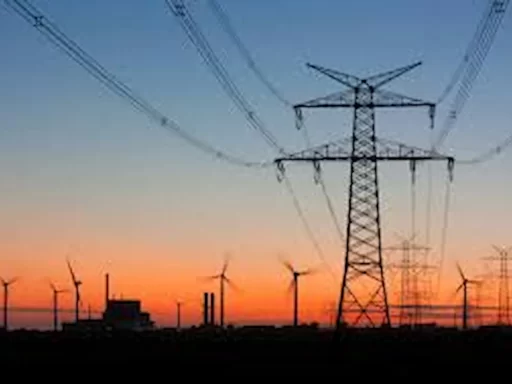

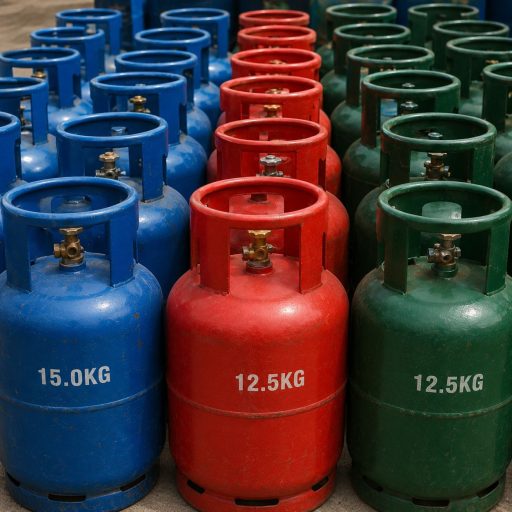
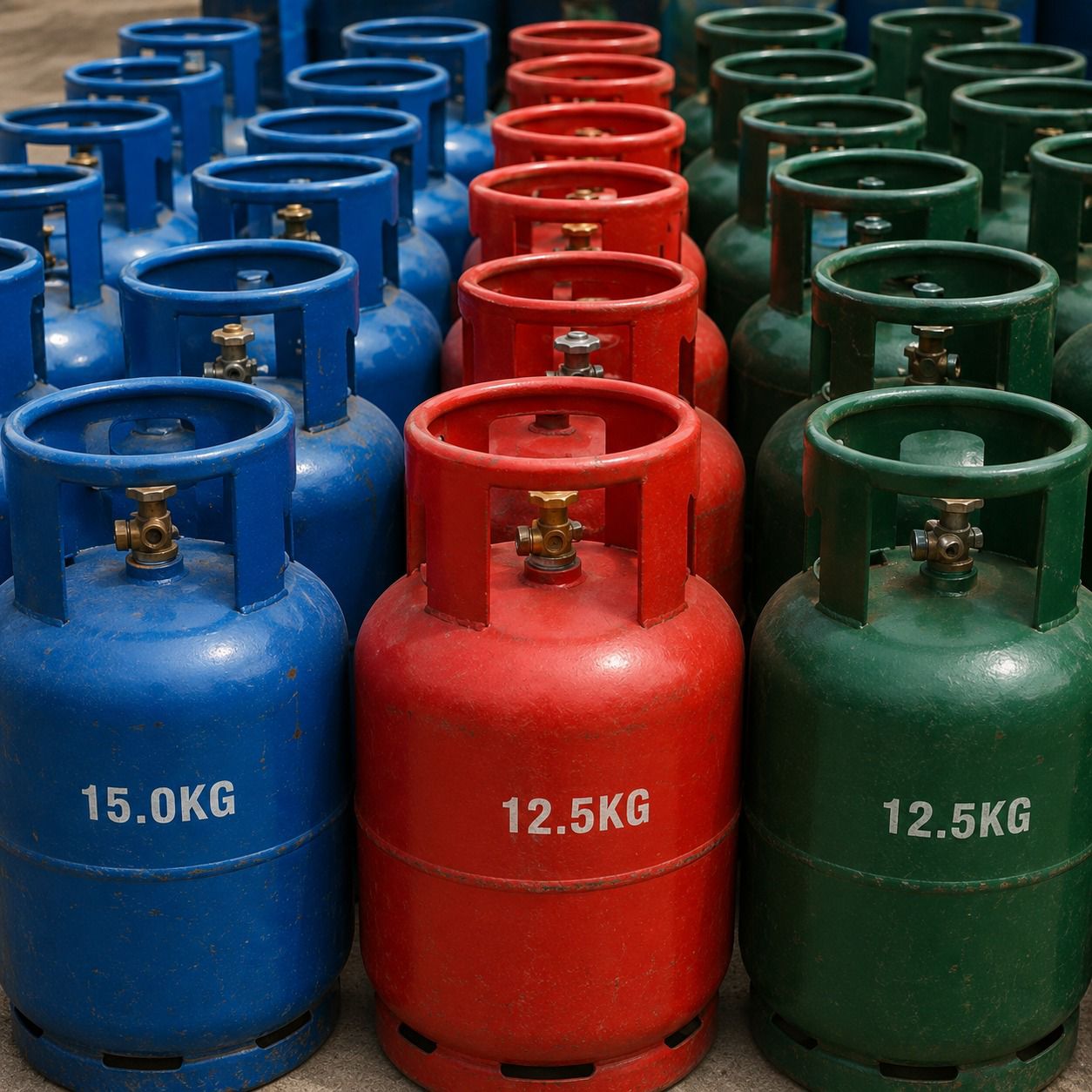

Nigeria’s domestic gas market has recorded a strong growth of about 30 per cent between January 2022 and January 2025, driven largely by reforms under the Petroleum Industry Act (PIA) 2021 and recent executive policy interventions by President Bola Tinubu.
This was contained in a legal and regulatory analysis by the Lagos-based law firm, Tope Adebayo LP, which noted that the reforms have improved investor confidence, regulatory clarity, and fiscal attractiveness across the gas value chain.
Gas Sales Rise Amid Reform Push
According to data referenced in the report, domestic gas sales increased from 49.3 billion standard cubic feet (bscf) in January 2022 to 64.2 bscf in January 2025.
The firm attributed the growth to structural changes in Nigeria’s energy sector, particularly the implementation of the PIA, which it described as the most significant petroleum sector reform in decades.
Nigeria currently holds over 206 trillion cubic feet of proven gas reserves, but has historically struggled to fully convert its resources into domestic supply due to infrastructure deficits and underinvestment.
PIA Brings Structural Changes to Gas Sector
The report highlighted that the Petroleum Industry Act introduced key reforms, including:
- Separation of upstream and midstream/downstream regulatory bodies
- Pricing liberalisation mechanisms
- Stronger investment incentives
- Improved regulatory oversight
It also noted that the Domestic Gas Delivery Obligation (DGDO) framework has helped improve supply to key sectors such as electricity generation and industrial production, with penalties for non-compliance.
Infrastructure and Flaring Reduction Efforts
The analysis further stated that gas utilisation has improved modestly, alongside efforts to reduce gas flaring through the Nigerian Gas Flare Commercialisation Programme, which has begun auctioning flare sites for monetisation.
In addition, the PIA introduced:
- Open access to gas infrastructure
- Creation of the Midstream and Downstream Gas Infrastructure Fund
- Partial liberalisation of gas pricing
These measures, according to the report, are gradually reshaping Nigeria’s gas economy.
Executive Orders Strengthen Investment Climate
Recent executive orders and presidential directives were also credited with improving the investment environment through:
- Tax incentives
- Faster contracting processes
- More flexible local content rules
The firm noted that these policies are aimed at improving project viability and attracting both local and foreign investment into the sector.
Challenges Still Limit Growth
Despite the progress, the report warned that Nigeria’s gas sector still faces major constraints, including:
- Weak infrastructure and pipeline gaps
- Payment risks in the power sector
- Legacy debts
- Slow policy implementation
It stressed that while reforms have laid a strong foundation, actual market performance depends on effective execution.
Outlook for Nigeria’s Gas Future
Tope Adebayo LP concluded that Nigeria’s long-term gas development will depend on sustained investment in infrastructure, stronger institutional coordination, and consistent regulatory enforcement.
The firm added that bridging the gap between policy design and real-world implementation will be key to unlocking the full potential of Nigeria’s “Decade of Gas” initiative.