
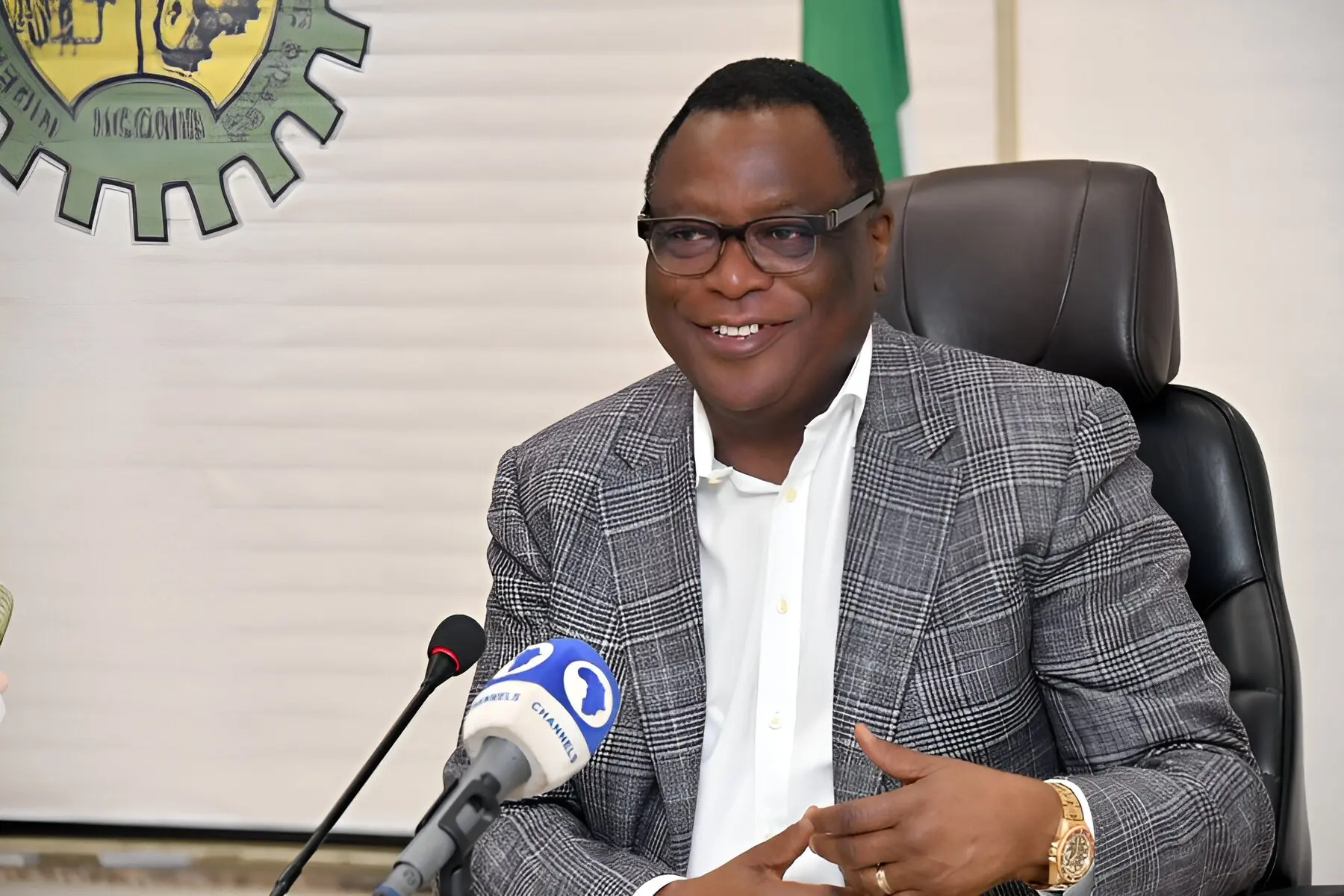

Nigeria has boosted its oil and gas local content index from under five per cent in 2010 to 61 per cent in 2025. The Nigerian Content Development and Monitoring Board (NCDMB) announced this milestone at the 2026 Nigerian Oil and Gas Midstream and Downstream Summit in Lagos yesterday. The Board is now aggressively pivoting towards the midstream and downstream sectors to drive investments, spark industrialisation, and curb raw material exports.
Driving Economic Independence
The strategic shift aims to maximise domestic refining capacity and retain value within the national economy. Regulators, lawmakers, and industry players at the summit projected massive growth in gas processing, petrochemicals, and local manufacturing. Nigeria is rapidly transitioning from a basic crude exporter into a processor of finished energy products.
“We are witnessing a massive transformation driven by deliberate policy clarity and rising investor confidence,” said Austin Azuka, NCDMB Head of Planning, Research, and Statistics, who represented Executive Secretary Felix Ogbe. “Nigeria is finally broadening its local content agenda. Opportunities are expanding rapidly across gas processing, pipelines, and retail operations.”
Infrastructure and Job Boom
Large-scale investments and modular refineries are reshaping the country’s industrial landscape. The NCDMB highlighted the Dangote Refinery as a primary symbol of this new self-sufficiency. Local firm participation has also skyrocketed because of the Nigerian Oil and Gas Industry Content Development Act.
Patrick June, NCDMB Acting Manager of Midstream Monitoring, revealed that active operating companies jumped from fewer than 10 before the Act to 117 today. “This expansion has already generated 11,934 jobs,” June stated. “It clearly reflects the rising capability of Nigerian firms across the energy value chain.”
A National Economic Priority
The Petroleum Industry Act continues to foster competitiveness, but officials insist that real capacity building must outpace paperwork. Lawmakers are now urging financial institutions to back indigenous firms and small businesses to sustain this momentum.
“Strengthening Nigerian content in these sectors is a vital national priority, not just a regulatory chore,” said Kawu Sumaila, Chairman of the Senate Committee on Petroleum Resources (Midstream and Downstream). “We must translate participation into real technical capacity. Regulators and operators must improve access to finance for local firms.”
The Nigerian Midstream and Downstream Petroleum Regulatory Authority (NMDPRA) concluded the event by pledging full, continuous support for future local content investments.
Share your thoughts on Nigeria’s booming energy independence! Head over to our X (formerly Twitter) and Facebook pages to join the conversation.