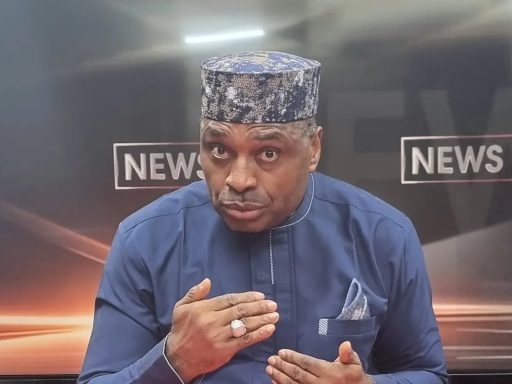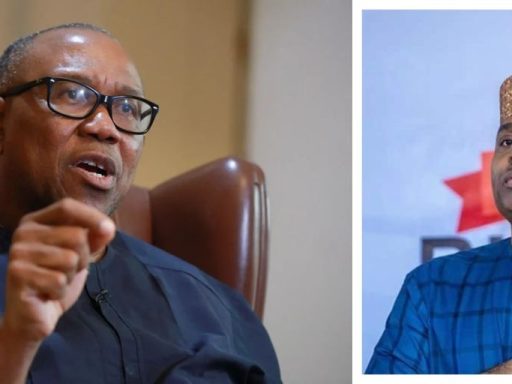

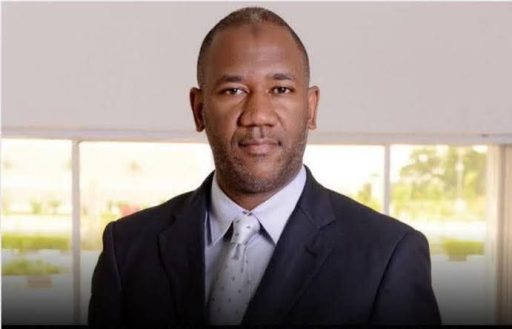

Former Labour Party vice-presidential candidate Datti Baba-Ahmed has claimed that former Vice President Atiku Abubakar could have won the 2027 presidency if he had supported Peter Obi in the 2023 elections. Speaking during an interview on Inside Sources on Channels Television, Baba-Ahmed said strategic patience would have made all the difference.
Lessons From Tinubu’s Strategy
Baba-Ahmed drew comparisons with President Bola Tinubu, noting that Tinubu had often provided political platforms to other politicians, including Atiku in 2007 and former President Buhari in 2015. According to him, this kind of strategic patience allowed Tinubu to maintain long-term political advantage and outmaneuver his opponents.
“He didn’t mind to plan for that long. When in 2007, he gave a platform to Atiku… he calculated patiently and used it effectively in 2023,” Baba-Ahmed explained.
Opposition Coalition Missteps
The former lawmaker argued that the opposition coalition lacked patience and overestimated its chances against Tinubu. He said he had warned the coalition against “excessive excitement,” emphasizing that Tinubu anticipated their moves and would strategically counter them.
“They didn’t have a Buhari-like outlier, and people found it difficult to rally. I cautioned them, but they took offence,” Baba-Ahmed said, highlighting missed political calculations.
Baba-Ahmed further suggested that if Atiku had acted like Tinubu, calling himself and Obi aside and negotiating support, he would have stepped down in 2027 and urged Obi to do the same. “Wallahi, I would have agreed, and Atiku would have been the 2027 president,” he remarked.
Observations on Political Patience
The political analyst also praised Rotimi Amaechi for showing measured patience, contrasting him with other coalition figures who rushed decisions and allowed strategic opportunities to slip away.
According to Baba-Ahmed, the lesson for northern and opposition leaders is that patience, careful calculation, and strategic alliances are critical in Nigeria’s high-stakes presidential politics.