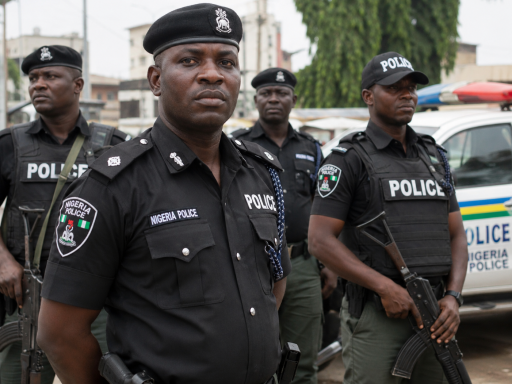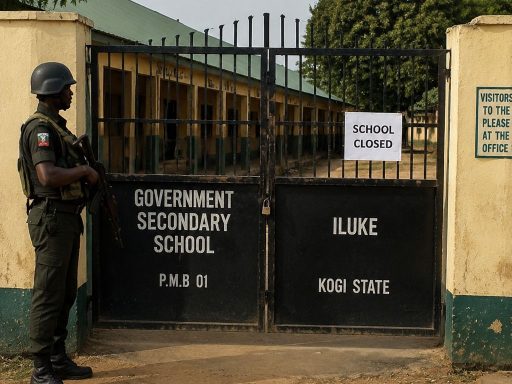

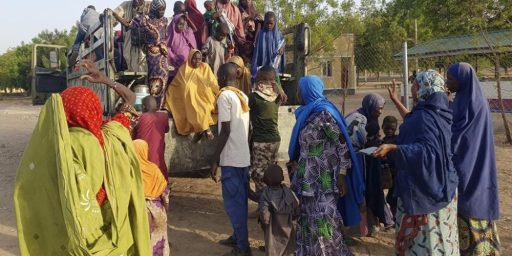
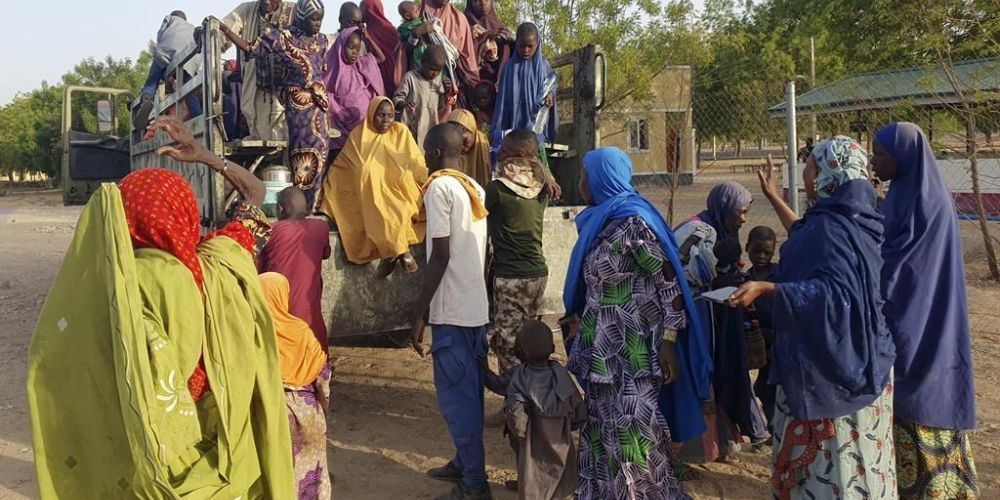

The Nigerian Army has announced that 360 abducted people have been rescued from a Boko Haram camp in the Mandara mountain axis of Gwoza, Borno State. Acting on weeks of intelligence-gathering and surveillance, troops of Operation Hadin Kai (OPHK) executed a meticulously planned night assault, overwhelming the insurgents and securing the hostages.
Lt-Col Haruna Sani, acting spokesperson for OPHK, said the mission leveraged human intelligence, signals intelligence, and unmanned aerial surveillance to pinpoint the captives’ location and assess insurgent activity. Psychological operations further disoriented the militants, weakening their command structure before the assault.
“The operation achieved complete tactical surprise, overwhelming the terrorists before an organized response could be mounted,” Sani said. Several insurgents fled into the mountainous terrain, while others surrendered. The rescued hostages underwent medical screening and were moved to secure locations for treatment and humanitarian assistance.
Civilian Accounts and Local Mediation
Local sources, including the Borno South Youth Initiative, claim that negotiations played a role in the captives’ release. While the army attributes the outcome to its intelligence-led operation, the group asserts it mediated an unconditional release, putting the number of freed individuals at 416. This discrepancy highlights the complexities of rescue operations in the region.
The hostages, abducted in early March from Ngoshe—a mainly Muslim community near the Cameroon border—had faced weeks of captivity under harsh conditions. Videos circulated by Boko Haram showed captives pleading for help and included a 72-hour ransom demand of N5 billion, warning against military intervention.
Human Cost and Casualties
Despite the successful rescue, the operation was not without tragedy. Two infants died from exhaustion due to the difficult terrain and prolonged captivity. Their deaths underscore the severe humanitarian toll of prolonged abductions in remote, inaccessible areas.
Symbolic and Strategic Impact
The operation dealt a significant blow to Boko Haram propaganda. Earlier in the year, the insurgents had released a video boasting of controlling Ngoshe through Ramadan and celebrating Eid at the central mosque. The army’s intervention allowed troops and local worshippers to observe Eid prayers safely at the mosque, symbolically reclaiming the community.
Regional Context and Ongoing Threats
Boko Haram and other armed groups continue to exploit remote villages, schools, and religious institutions for ransom and to instill fear. The Mandara mountain region remains strategically sensitive, with cross-border activity complicating security operations. Analysts note that ransom payments, sometimes made by families or intermediaries despite legal prohibitions, have perpetuated the cycle of kidnappings.
US forces have recently augmented intelligence-sharing and training efforts to support Nigerian troops in counter-insurgency measures. This collaboration comes as part of broader initiatives to contain the insurgency and dismantle extremist networks operating in North-eastern Nigeria.
Government Response
Daniel Bwala, special adviser to President Bola Tinubu, praised the military’s “speed, precision, and overwhelming combat power” while urging continued vigilance. Authorities continue follow-up clearance operations to track fleeing insurgents, dismantle remaining support networks, and prevent future abductions.