



Nigeria’s crude oil exports drove total trade with the United Kingdom to £7.6bn in 2025, according to new figures released by the UK Department for Business and Trade. The report showed rising demand for Nigerian energy products helped lift bilateral trade by 10.8 per cent, despite Nigeria’s ongoing push to expand non-oil exports.
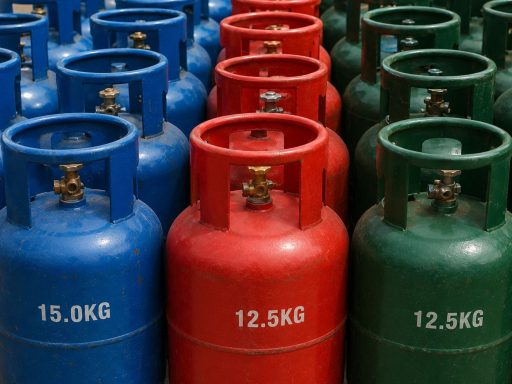
The UK imported more than £719m worth of Nigerian crude oil during the reporting period. Britain also purchased £514.3m in refined petroleum products and £167.8m in gas exports from Nigeria. The figures underline the continued importance of oil and gas to Nigeria’s foreign earnings and trade relationship with the UK.
Oil remains Nigeria’s biggest export
Crude oil remained Nigeria’s single largest export to the UK, accounting for nearly half of all British imports from Africa’s biggest oil producer.
Total UK imports from Nigeria stood at £2.1bn in 2025, an 11.3 per cent rise compared with the previous year. Goods accounted for £1.5bn of that figure, while services contributed £614m.
The report showed imports of Nigerian goods increased sharply by 18.8 per cent. However, service exports from Nigeria to the UK fell by 3.5 per cent during the same period.
Beyond oil and gas, Nigeria’s export base remained narrow. Agricultural exports such as coffee, tea and cocoa generated £17.9m, while processed fertilisers contributed £17.2m.
“The figures show Nigeria still relies heavily on petroleum exports for foreign exchange earnings,” said trade analyst Tunde Adebayo. “Diversification efforts are improving slowly, but oil continues to dominate trade flows.”
UK exports to Nigeria surge
British exports to Nigeria also recorded strong growth. The UK exported £5.5bn worth of goods and services to Nigeria in 2025, representing a 10.5 per cent annual increase.
Refined petroleum products led British exports, reaching £1.1bn and accounting for more than 60 per cent of all UK goods exports to Nigeria.
Other major exports included toilet and cleansing products valued at £70.2m, textile fabrics worth £45.7m, industrial machinery valued at £42.2m, and beverages and tobacco products totalling £34.6m.
The UK’s trade surplus with Nigeria widened to £3.3bn in 2025, up from £3.0bn a year earlier.
While Britain’s goods surplus dipped slightly to £259m, its services surplus rose strongly to £3.1bn. Analysts linked the increase to growing demand for British financial services, education, consulting and professional expertise.
Energy security shapes trade relationship
Analysts said the latest figures highlight Nigeria’s strategic role in the UK’s energy supply chain, especially as European countries seek alternative energy sources amid global market disruptions and geopolitical tensions.
“Nigeria remains a key energy partner for the UK,” said energy economist Sarah Collins. “The strength of oil and gas trade reflects broader efforts by European economies to secure stable supply channels.”
The latest trade data arrives as Nigerian authorities continue efforts to boost non-oil exports and reduce dependence on crude revenues. However, petroleum products still dominate the country’s international trade profile.